

Why the First U.S. Jet Fighter Pilot Wore a Gorilla Mask During Test Flights During WWII
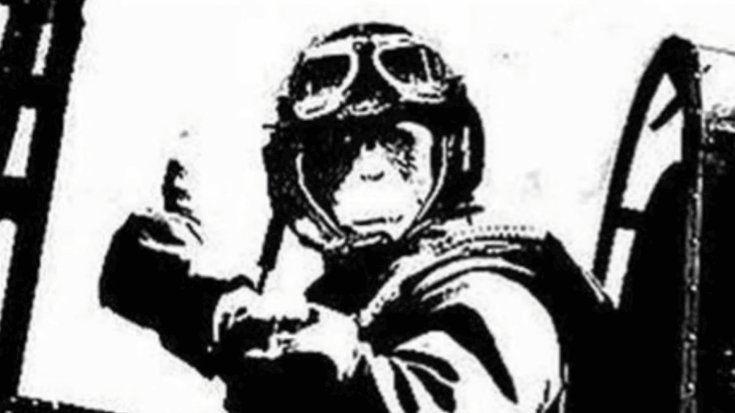
Amazing Projects / YouTube
During World War II, the United States entered the race to develop jet-powered fighter aircraft, a technological leap that would change aerial combat forever. While Britain and Germany had already begun testing jet designs, the U.S. worked on its first operational jet, the Bell P-59 Airacomet. The P-59 never saw combat, yet it represented an essential step in aviation history. Perhaps the most unusual story about the Airacomet is that its senior test pilot, Jack Woolams, sometimes flew it wearing a gorilla mask and derby hat, cigar in hand.
A Secret Aircraft in the Skies
The decision to disguise the jet in such an odd way was not just for humor. At the time, the Airacomet was a top-secret aircraft, and American engineers and pilots needed to prevent curious onlookers from discovering it. Woolams’ antics helped make the aircraft seem like a ridiculous myth rather than a real experimental fighter. If a civilian or another pilot spotted a “flying gorilla,” they would hardly believe it could be an advanced, jet-powered plane. This unusual camouflage and performance of the aircraft served as a form of deception to protect vital technology during wartime.
The P-59 Airacomet first flew in 1942, marking America’s first foray into jet-powered combat aircraft. Britain had already begun developing its jet fighters, and Germany had tested theirs since 1939. The U.S. program, though later than its European counterparts, relied heavily on British jet engine designs, making secrecy paramount. The Airacomet’s design included a hidden cockpit layout and other measures to prevent exposure, and Woolams’ airborne stunts only added to the confusion for anyone observing from the ground or in nearby aircraft.
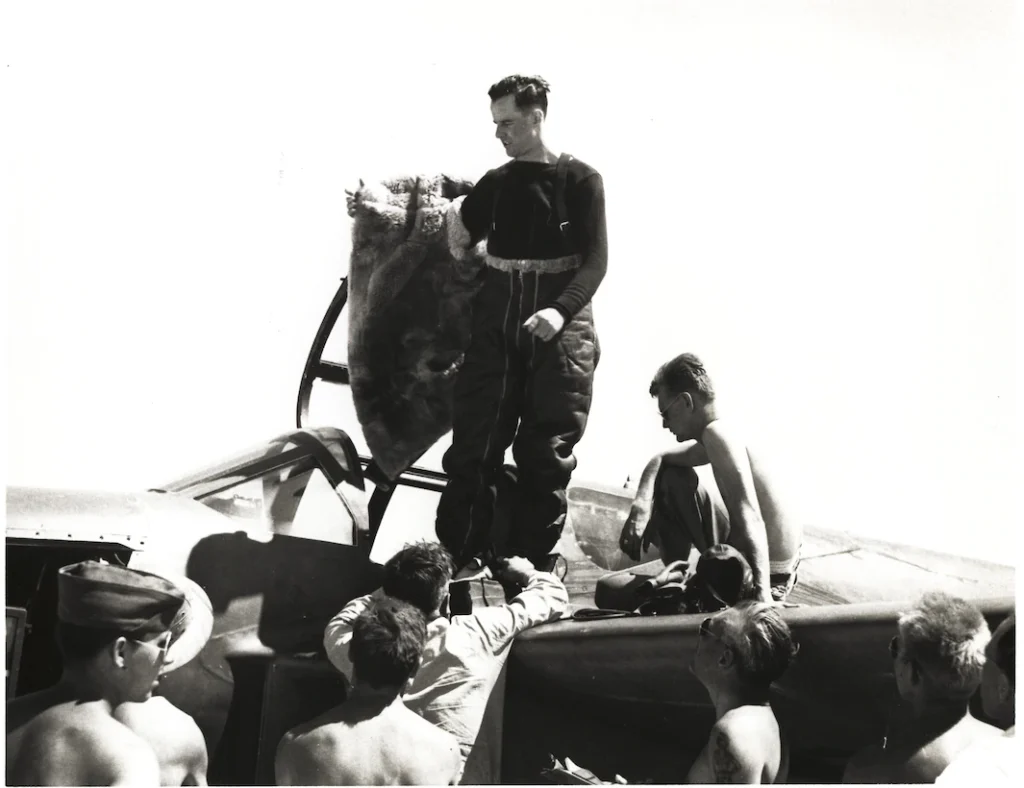
Jack Woolams: Pilot and Practical Joker
Jack Woolams was a veteran pilot with the U.S. Army Air Corps and had a reputation for daring feats and practical jokes. During World War II, he tested numerous Bell aircraft, many of which were later sent to the Soviet Air Force to support operations on the Eastern Front. Woolams’ skill and experience allowed him to handle the jet safely despite its experimental nature. On some flights, he joined formations of propeller-driven aircraft wearing his gorilla mask and derby hat, holding a cigar, as if to entertain himself and mystify onlookers. The sight of a jet, flying without a propeller, piloted by a figure so outlandish, challenged the contemporary understanding of aircraft and aviation.
Woolams’ tests were not just stunts. He meticulously trained his skills to handle the unique challenges of jet flight, including higher speeds and unfamiliar handling characteristics. These flights provided engineers with critical data, even if the P-59 was never deployed in combat. Woolams’ humorous approach to secrecy combined practical work with entertainment, reflecting the human side of testing cutting-edge technology during a tense global conflict.
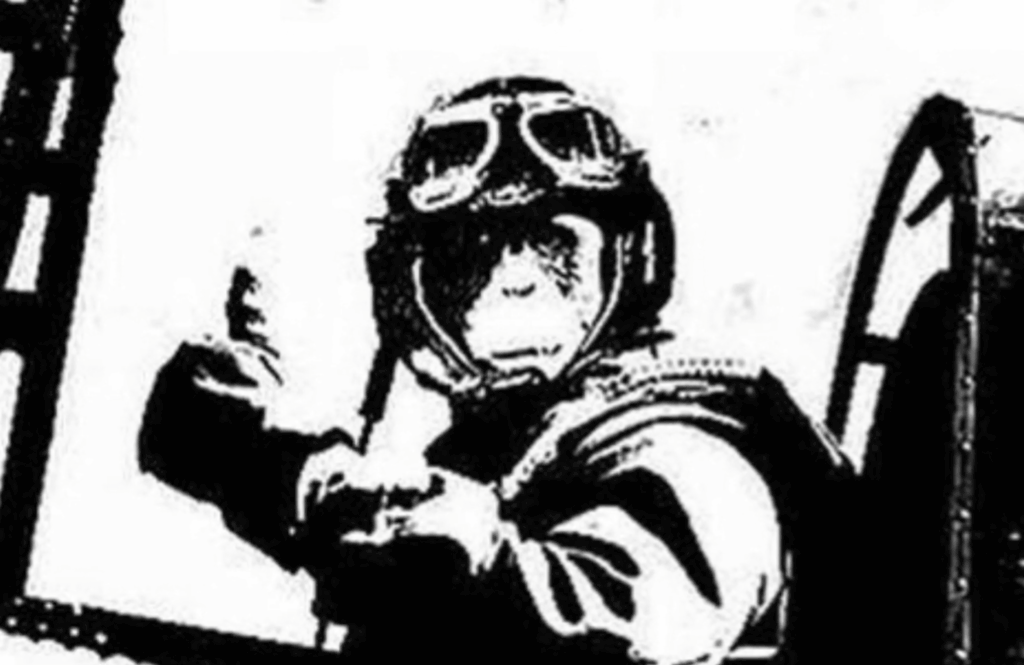
Legacy of the P-59 Airacomet
While the P-59 never fought in battle, it showed that jet engines could make piston-driven fighters increasingly obsolete. Its speed, stability, and maneuverability provided engineers and military planners with the first real experience in jet aviation. Woolams, who might have been the first person to break the sound barrier if not for his untimely death in 1946, contributed to shaping the future of American aerial combat. The Airacomet’s development laid the groundwork for the next generation of jet fighters, which would dominate the skies in the Korean War and beyond.
The story of the gorilla-masked pilot illustrates a unique intersection of innovation, secrecy, and humor in wartime aviation. Woolams and the Airacomet proved that, even in serious military programs, creativity and cleverness could help protect cutting-edge technology while advancing the art of flight. The P-59, though not a combat aircraft, remains a significant milestone in the history of U.S. aviation and early jet development.







