

The 8 Fastest WWII Propeller Fighters That Changed Air Combat Forever
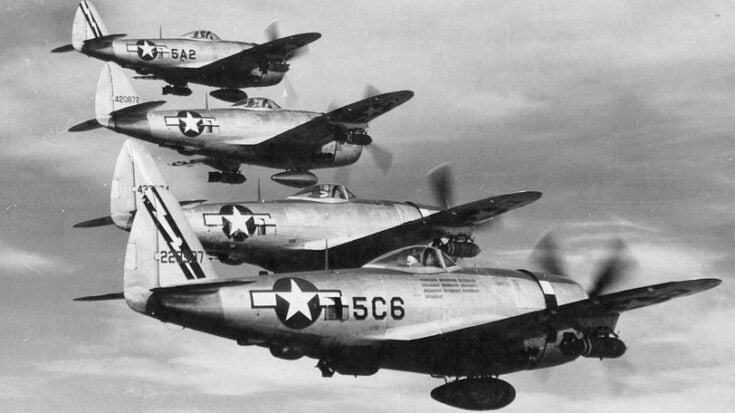
United States Army Air Forces, Public domain, via Wikimedia Commons
Propeller-driven fighters defined air combat long before jets became common. By the time World War II began, engineers were pushing piston engines and propellers close to their physical limits. Speed became a matter of survival, shaping how fighters were designed, flown, and fought. These aircraft did more than chase numbers. They forced new tactics and changed what pilots expected from a combat plane.
During the war, several nations produced fighters that reached speeds once thought impossible for propeller aircraft. Some achieved these figures in controlled dives, others in level flight, but all showed how far designers had pushed existing technology. These machines represent the peak of piston-engine fighter performance.
Supermarine Spitfire
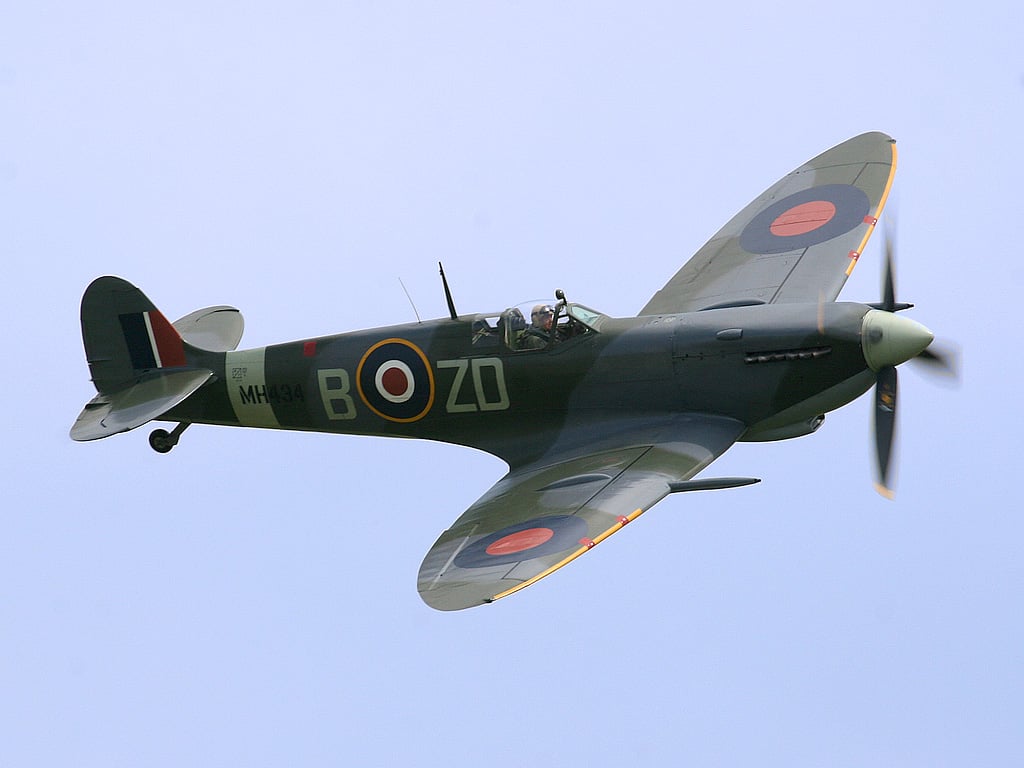
The Supermarine Spitfire remains one of the most studied fighters of the war. While its normal combat speed was far lower, modified Spitfires reached extreme speeds during test dives. In 1944, a Spitfire exceeded 600 miles per hour during a steep dive after a control failure prevented speed limitation. The aircraft briefly approached the sound barrier before structural damage ended the test. This moment showed how close propeller aircraft came to jet-era limits.
De Havilland Hornet F1
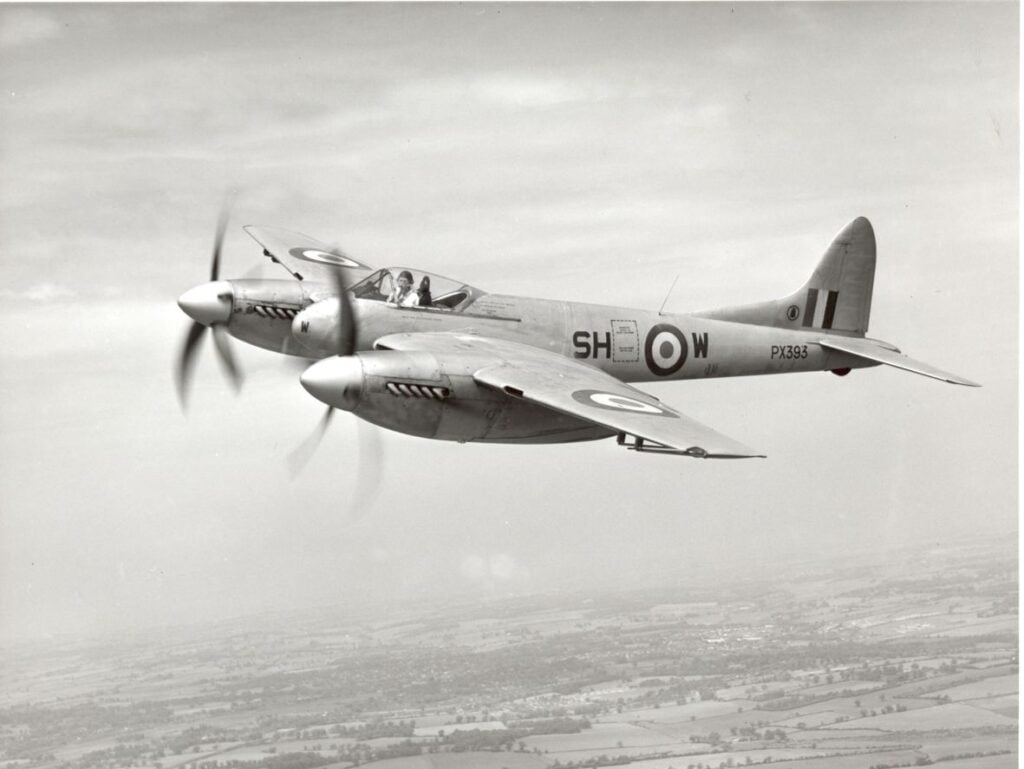
The de Havilland Hornet arrived just after the war but was designed during it. Built largely from wood and powered by two Merlin engines, it became one of the fastest piston fighters ever flown in level flight. Pilots praised its balance and engine reliability. Although it missed wartime combat, its design reflected lessons learned from earlier aircraft like the Mosquito.
Dornier Do 335
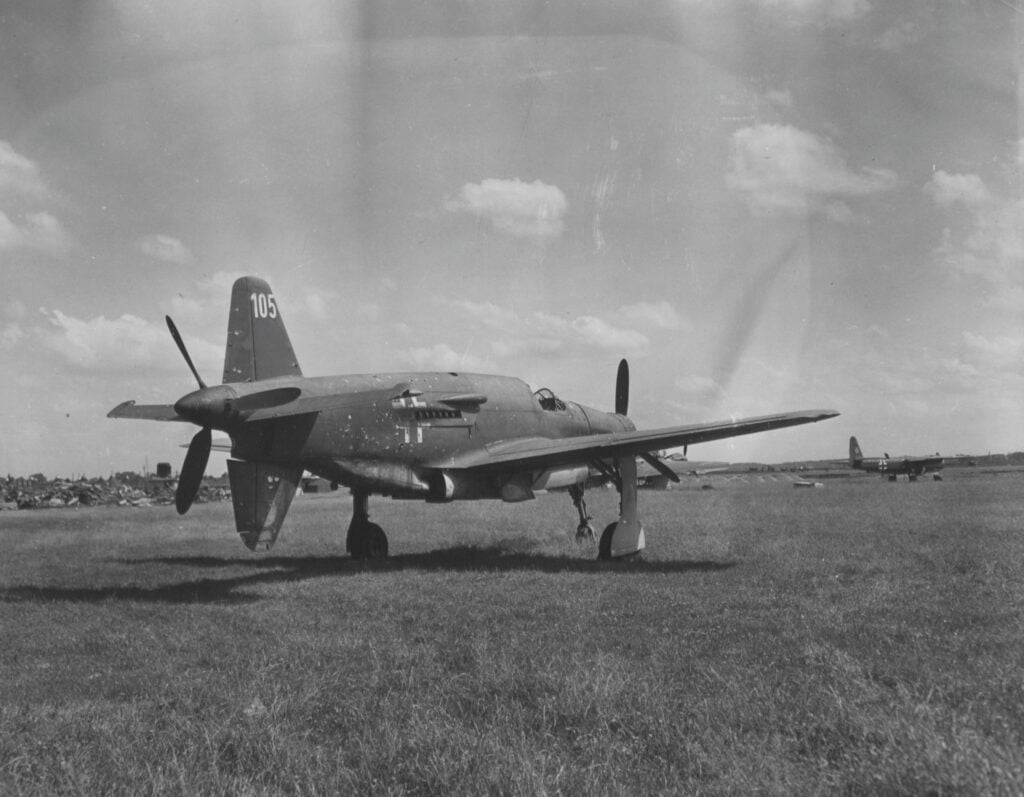
Germany’s Dornier Do 335 used a push-pull engine layout, placing one propeller in front and one behind the cockpit. This reduced drag and torque problems common in twin-engine fighters. The result was the fastest piston aircraft to see limited wartime service. Complex systems and late production meant it arrived too late to change the war’s outcome.
F4U Corsair
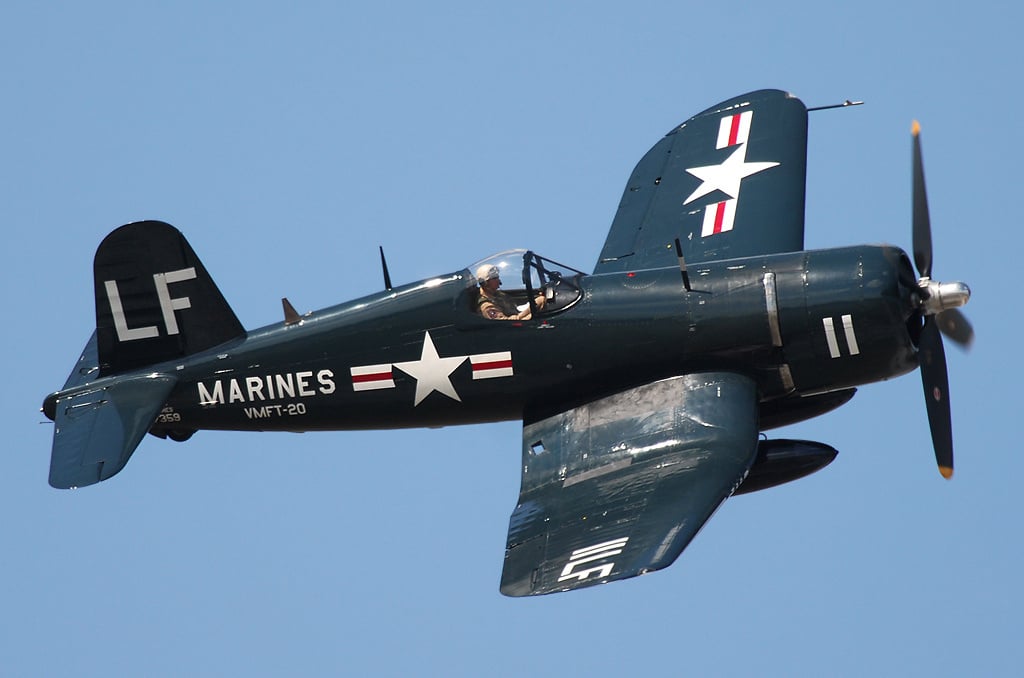
The Vought F4U Corsair earned its reputation in the Pacific. Its large engine and bent wings allowed high speed while clearing the carrier deck. Early landing problems caused accidents, but once pilots mastered it, the Corsair became a feared opponent. Its speed helped it dominate both air combat and ground attack roles.
P-51 Mustang
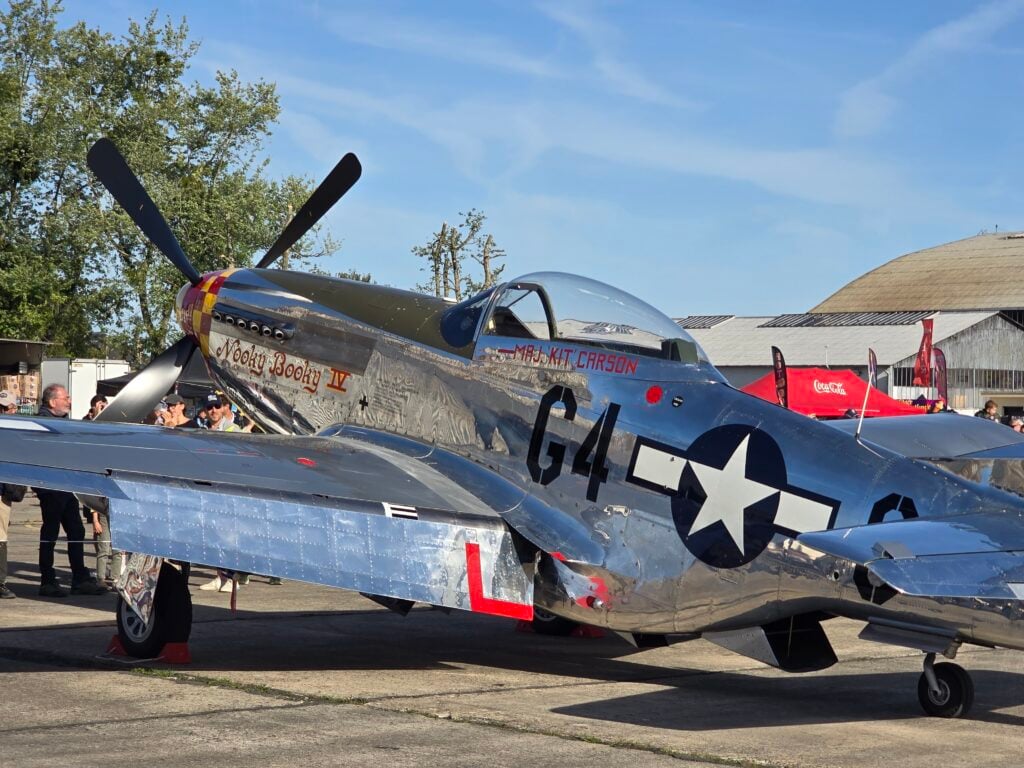
The North American P-51 Mustang changed the air war over Europe. When fitted with the Merlin engine, it combined speed with long range. This allowed it to escort bombers deep into German territory and challenge defending fighters on equal terms. Speed alone did not win the battle, but it allowed Mustangs to choose when to fight.
P-47 Thunderbolt
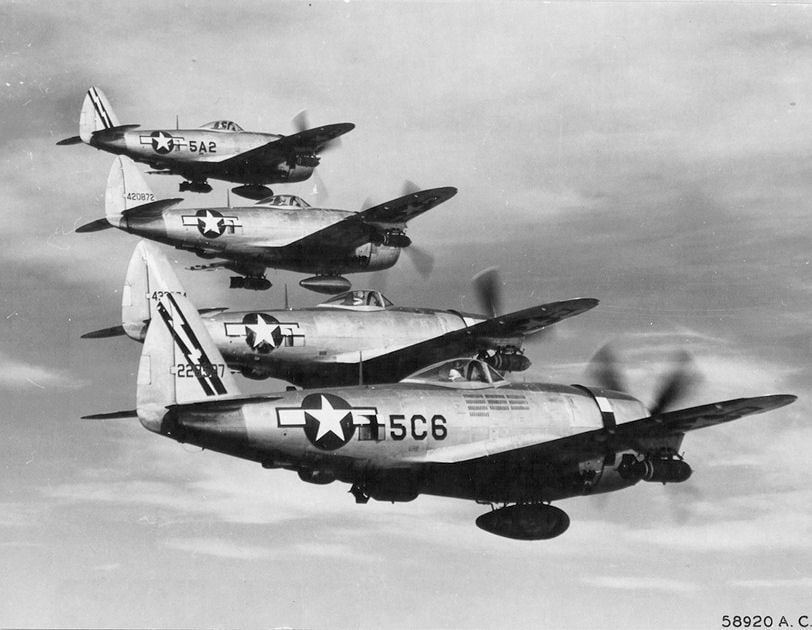
The Republic P-47 Thunderbolt was massive for a single-engine fighter. Despite its size, it reached high speeds, especially in dives. Its strength allowed it to absorb damage and return home. Pilots trusted it during escort and ground attack missions, where speed helped both survival and firepower delivery.
P-38 Lightning
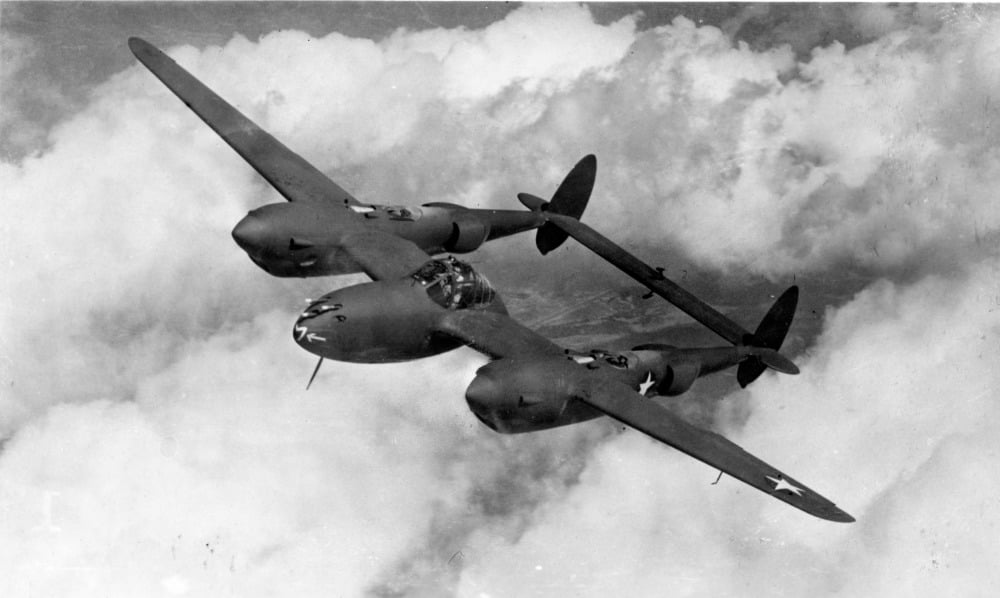
The Lockheed P-38 Lightning stood apart with its twin-boom design. Its speed and climb rate made it effective at high altitude. In the Pacific, its range and firepower proved decisive. Compressibility issues in dives challenged pilots, but solutions improved performance later in the war.
Fw 190
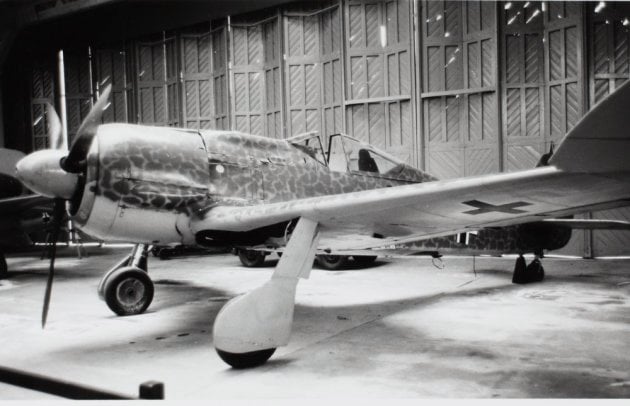
The Focke-Wulf Fw 190 shocked Allied pilots when it appeared in 1941. Faster than many opponents at low and medium altitude, it forced changes in Allied tactics and aircraft development. Later long-nose variants improved high-altitude speed, keeping it competitive until the war’s end.


.jpg)
.jpg)
.jpg)
.jpg)
.jpg)