

How the Curtiss P-40 Went From “Average” Fighter to WWII Workhorse
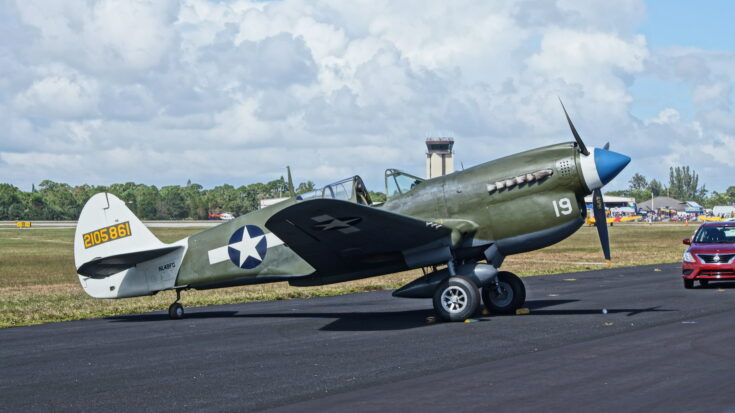
JTOcchialini, CC BY-SA 2.0, via Wikimedia Commons
When the Curtiss P-40 Warhawk entered service in the late 1930s, it did not promise to be a record breaker. It lacked the sleek lines and advanced engines that later fighters would use. Yet when war spread across several continents, the P-40 became one of the most important aircraft available to the Allies at the moment they needed it most.
What made the P-40 valuable was timing. When fighting began in Europe, Africa, and Asia, the United States and its allies had few modern fighters ready in large numbers. The P-40 was already in production, already trained into squadrons, and ready to ship overseas. That alone made it vital.
Design Limits and Early Doubts
The P-40 was powered by an Allison engine that performed well at low and medium heights but lost power higher up. In Europe, where air combat often took place far above the ground, this weakness became clear. German fighters could climb faster and fight better at altitude, giving them an edge in direct encounters.
Pilots also found the P-40 heavier than many opponents. Against lighter Japanese fighters, it could not turn tightly at slow speeds. Early combat reports labeled it average, and some units were eager to replace it with newer designs as soon as they could.
Strength Where It Mattered Most
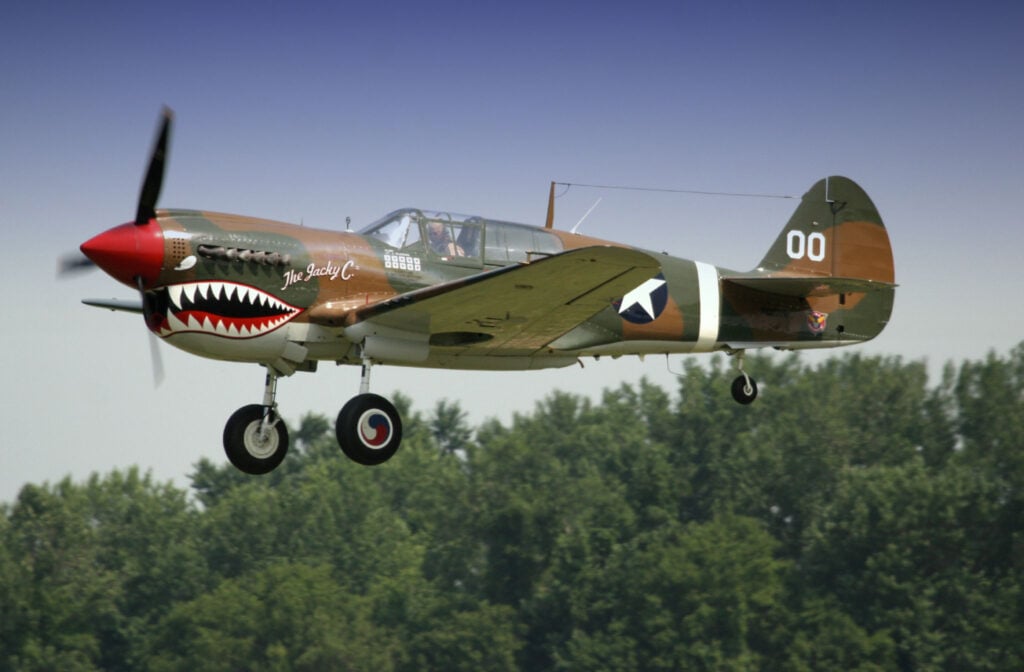
Despite these limits, the P-40 had qualities that proved useful in real combat. Its strong airframe allowed it to dive fast without breaking apart. Pilots learned to use speed instead of tight turns, attacking from above and pulling away before an enemy could respond.
The aircraft could also absorb damage. Many P-40s returned with holes in wings and fuselage that would have destroyed lighter planes. This toughness mattered in areas where airfields were rough and repair facilities were limited.
North Africa and the Desert War
In North Africa, the P-40 found conditions that suited it. Combat often happened at lower heights, where its engine performed better. The open desert allowed pilots to use diving attacks and energy tactics without being trapped in turning fights.
British and American units used the P-40 not only as a fighter but as a ground attack aircraft. It carried bombs and strafed enemy positions, supply lines, and vehicles. Its ability to switch roles made it valuable during fast-moving desert campaigns.
China and the Flying Tigers
The P-40 gained lasting fame in China with the American Volunteer Group, later known as the Flying Tigers. Facing Japanese aircraft that turned better but were lightly built, P-40 pilots relied on diving attacks and teamwork.
The shark-mouth paint on their aircraft became famous, but their success came from discipline and understanding the plane’s strengths. In this setting, the P-40 proved it could dominate when used correctly.
Pacific and Island Fighting
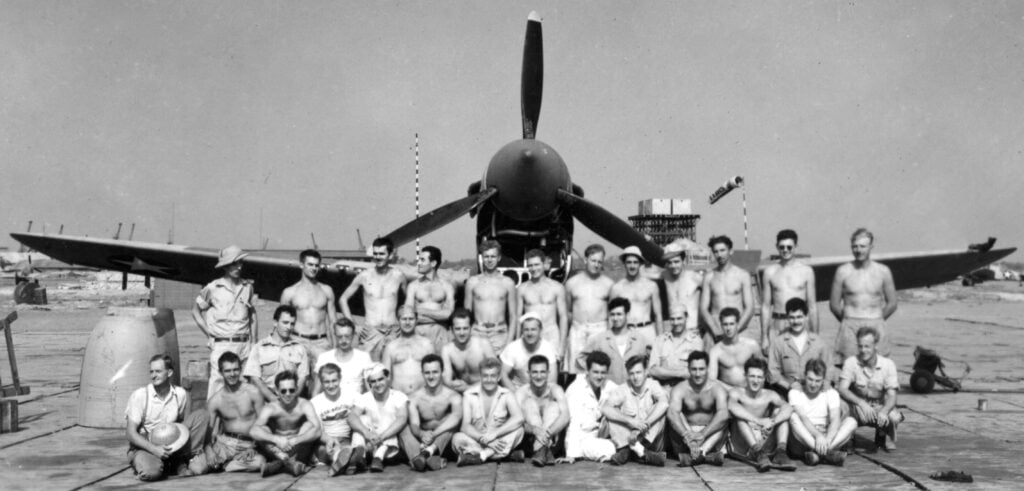
Across the Pacific, early Allied forces lacked modern fighters in large numbers. The P-40 filled that gap. It defended airfields, escorted bombers, and attacked ground targets during the first years of fighting.
As newer fighters arrived, the P-40 shifted more toward fighter-bomber duties. It carried bombs and rockets, striking targets close to the front. Its range and strength made it useful even when it no longer led air combat.
A Workhorse by Necessity
By the middle of the war, more advanced fighters replaced the P-40 in frontline air combat. Still, it continued flying in secondary roles and with air forces that needed reliable aircraft rather than cutting-edge speed.
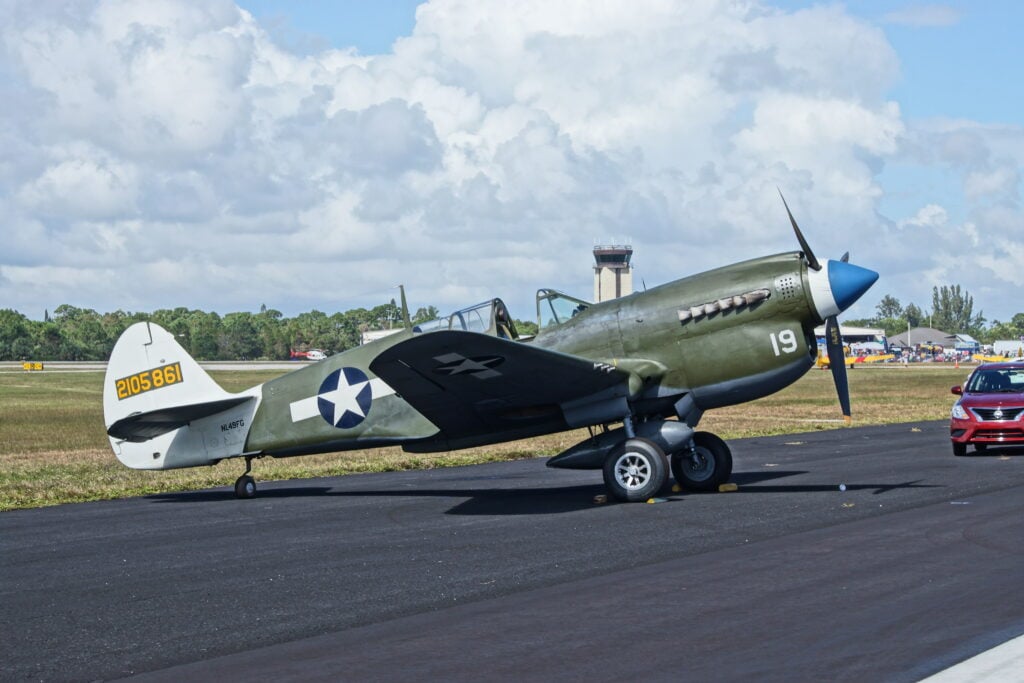
The P-40 was never the fastest or the highest-flying fighter of the war. Its value came from being available, durable, and adaptable. In the hardest early years, that was enough to hold the line until better machines arrived.







.jpg)

.jpg)