The B-26 Marauder: Why This Bomber Was Feared, Hated, and Misunderstood
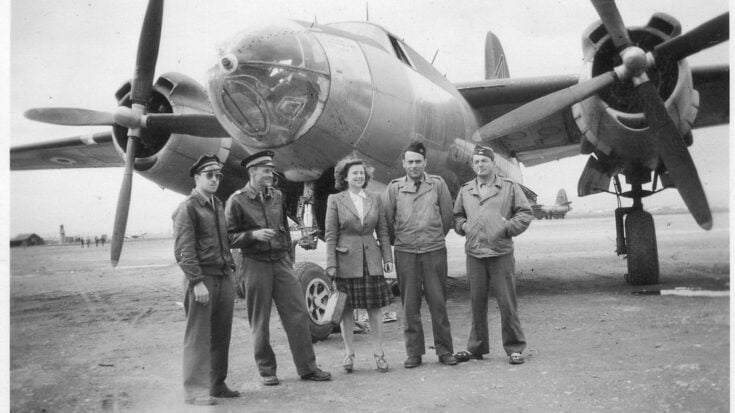
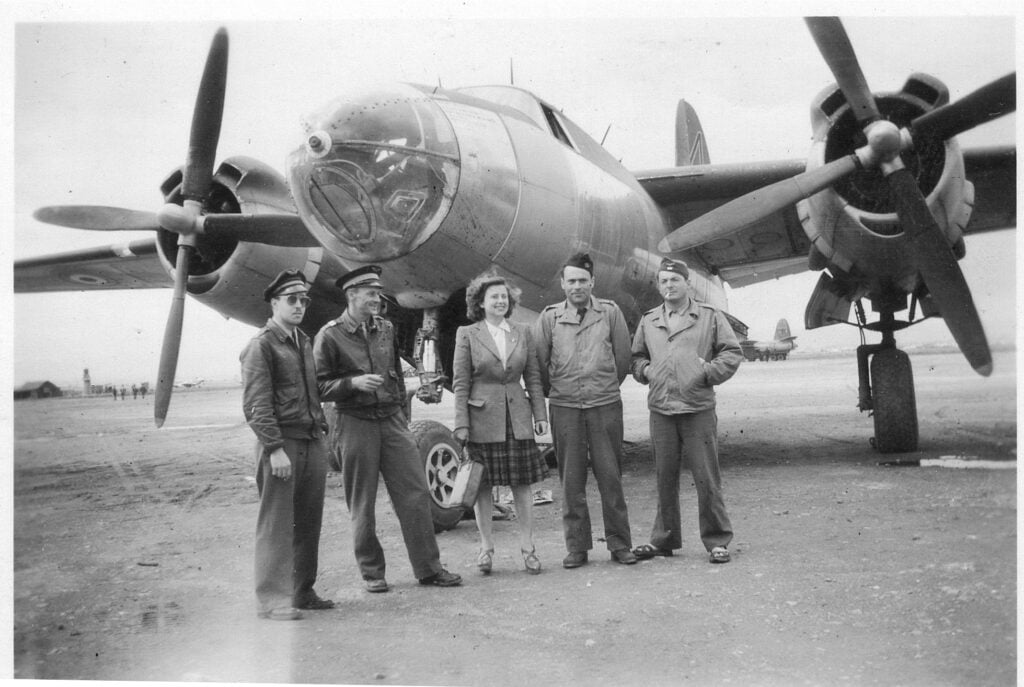
G.Garitan, CC BY-SA 4.0, via Wikimedia Commons
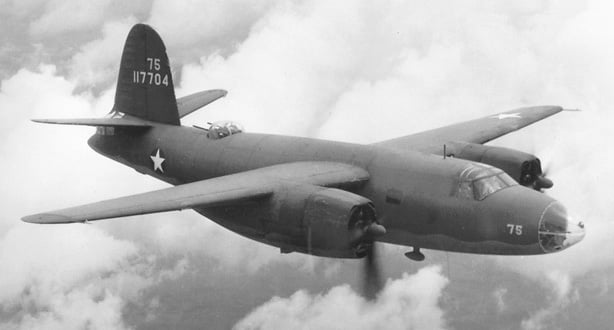
The B-26 Marauder was a United States medium bomber introduced just before World War II. It was built with speed in mind at a time when air planners believed fast bombers could survive by outrunning enemy fighters. On paper, the aircraft promised efficiency and strength. In reality, its early service created fear and frustration among crews who struggled to master its demanding flight behavior.
When the Marauder reached operational units in 1941, problems appeared quickly. Pilots transitioning from slower aircraft were unprepared for its landing speed and narrow margin for error. Accidents during training and early operations spread stories that followed the bomber across airfields. Long before its combat value became clear, the B-26 earned a reputation that proved hard to erase.
Design Focus and Early Trouble
The aircraft’s design centered on speed and performance. Engineers gave the B-26 relatively small wings and powerful engines to reduce drag and increase cruise speed. This choice raised takeoff and landing speeds far above what many pilots were used to. Approaches demanded precision, and mistakes close to the ground often ended badly.
Mechanical complexity added to the strain. The twin engines required careful handling and close maintenance. Early in the war, ground crews were still learning how to support the aircraft properly. Small errors could cause major problems, reinforcing the idea that the Marauder punished inexperience rather than forgiving it.
Training Changes and Growing Skill
Army Air Forces leaders eventually accepted that the bomber was not flawed beyond repair. Instead, they expanded training programs and focused on teaching correct landing technique. Pilots learned to respect speed rather than fight it. With better preparation, accident rates began to fall.
As experience grew, attitudes shifted. Crews discovered that the Marauder handled smoothly once airborne and responded well at cruise speed. It also proved strong under fire. Many crews reported returning with damage that would have destroyed lighter aircraft, slowly building confidence within combat units.

Combat Use and Reputation Shift
The B-26 found its strongest role in Europe. It flew medium altitude missions against bridges, rail yards, and supply centers. Tight formations and precise bombing reduced exposure time over targets. Its speed helped limit attacks by enemy fighters during both approach and withdrawal.
Armor and defensive guns further improved survival. By 1944, loss rates had dropped sharply. The same aircraft once blamed for training accidents now earned respect in combat. Crews began judging it by results rather than rumors passed down from earlier days.
A Bomber Remembered Unevenly
Despite proven success, early stories lingered. Training bases remembered crashes more clearly than victories overseas. New crews often arrived wary, shaped by reputation rather than firsthand experience. Fixing public opinion proved harder than refining tactics or maintenance.
By the end of the war, the B-26 held one of the lowest loss rates among Allied bombers. Its history showed how understanding and discipline changed outcomes. For those who mastered it, fear and resentment faded, even if the Marauder’s name never fully escaped its troubled beginning.