WATCH Unreleased A-10 Warthog Footage Shows 30mm Cannon in Action Against Enemy Vehicles
MilitaryNotes / YouTube
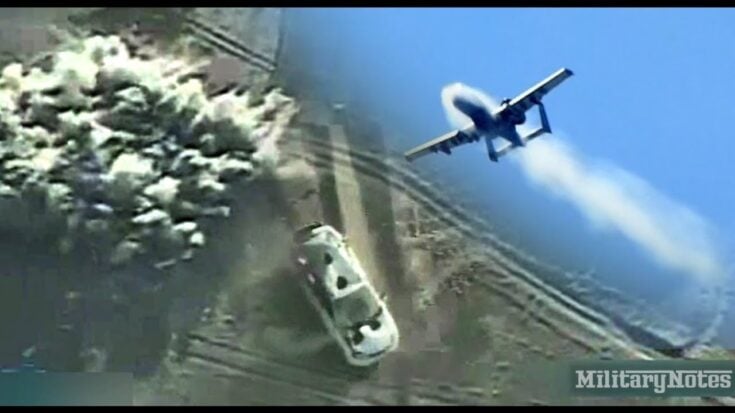
On January 24, 2018, a U.S. Air Force A-10 Thunderbolt II flew a combat mission over Kandahar province in Afghanistan that highlighted the aircraft’s core strength: its massive 30 mm GAU-8/A Avenger cannon. This strike targeted an armed vehicle fleeing the scene of an attack, showing how the A-10 continues to play a role in modern close air support, decades after it first entered service.
The Mission Over Kandahar
That winter, A-10s were redeployed to Kandahar Airfield as part of a renewed effort to support Afghan and coalition forces. After several years away from the theater, the Thunderbolt II returned to provide ground troops with precise, reliable firepower in support of their operations against insurgent groups in the region.
On the day of the strike, U.S. forces received word of a hostile vehicle attempting to escape after attacking local communities. The vehicle was armed with a DShK heavy machine gun, a large-caliber weapon often used by insurgents to threaten both civilians and security forces. Responding aircraft were cleared to engage as part of a coordinated close air support operation.
A-10’s Weapon in Action
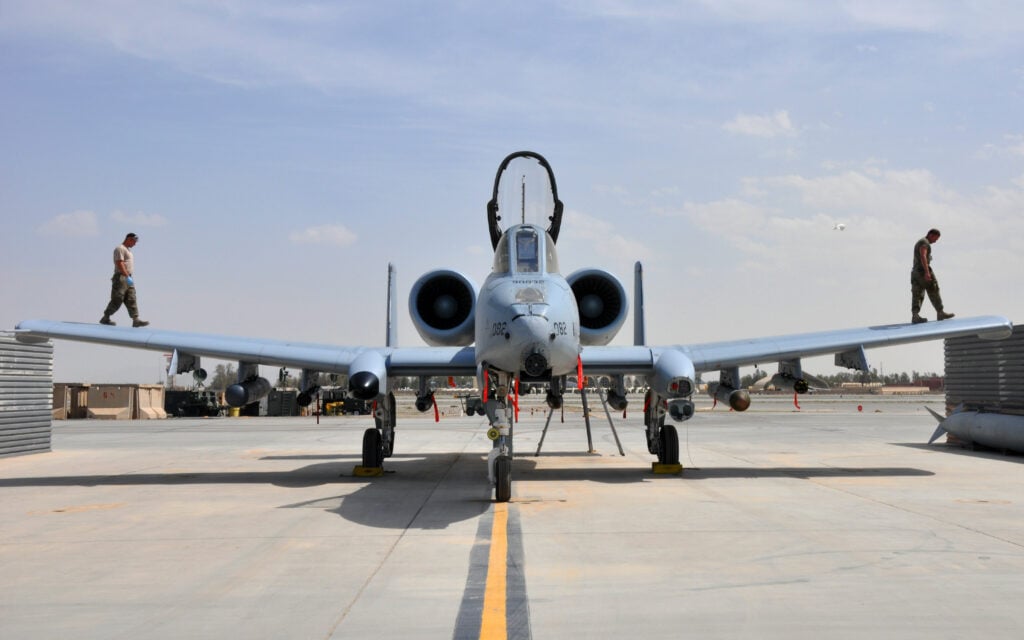
The A-10 pilot moved in to intercept the target, lining up for a strafing run. The aircraft’s 30 mm cannon, mounted in the nose, is a seven-barrel rotary gun capable of firing about 3,900 rounds per minute. Designed to defeat armored vehicles, the GAU-8/A Avenger uses large, high-velocity shells that can penetrate metal and disable engines and weapon mounts alike.
Footage released by the U.S. Air Force shows the vehicle being struck as it sped away. Multiple hits were recorded on the hood and roof areas. Despite moving and blending with the terrain, the firepower of the A-10’s gun quickly halted the vehicle’s motion, demonstrating both accuracy and effect.
Role in Close Air Support
The strike came during a wider phase of operations in Afghanistan, where A-10 aircraft provided support to local security forces engaged with insurgent fighters. The aircraft’s slower speed and ability to deliver continuous cannon fire made it well suited for situations where ground units needed quick, controlled firepower to stop threats without widespread damage.
The video of this engagement, shared through official channels, shows how the A-10 continues to fulfill a mission similar to the one it was first designed for in the 1970s: protecting troops and civilians from enemy action through precise, sustained support. The strike in Kandahar remains a clear example of that role in action.