

The Brutal Truth Behind Why So Many B-17 Crews Never Returned
Hennepin County Library, Public domain, via Wikimedia Commons
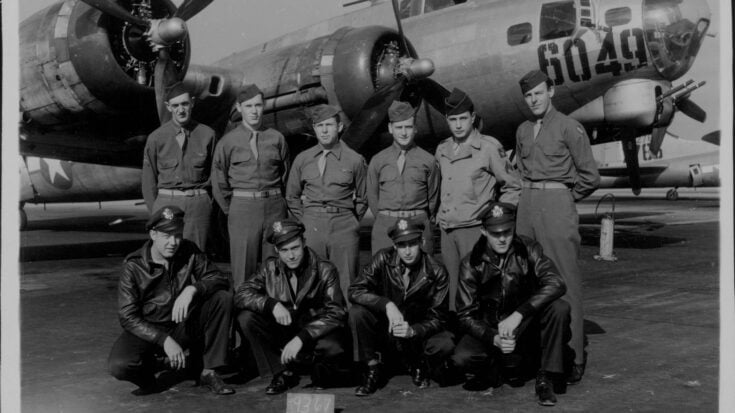
The B-17 Flying Fortress was the backbone of America’s daylight bombing campaign over Europe. It was a massive, heavily armed bomber designed to strike deep into German territory. But flying one came at an extraordinary cost. Roughly half of all crew members were killed, wounded, or captured on missions. Surviving stories reveal the extreme dangers faced by these men and the cruel odds they confronted every time they climbed into the bomber.
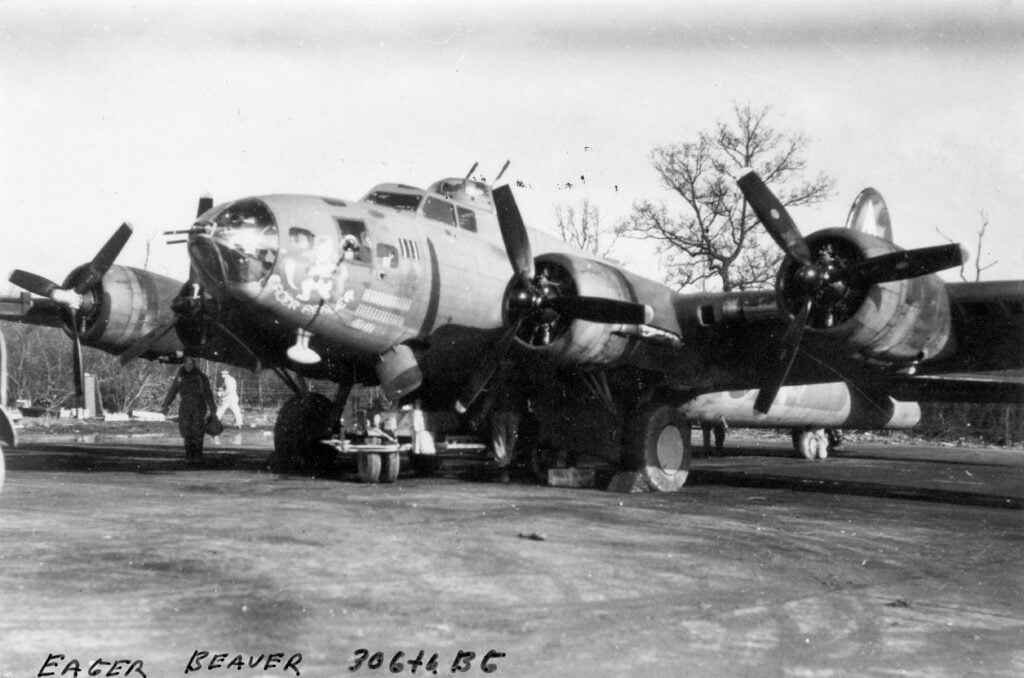
When the United States joined World War II, it teamed with Britain to carry out precision bombing of German factories, railways, and military centers. American commanders believed daylight raids would allow for more accurate targeting than night operations, which the British preferred. The B-17 was central to this strategy. Its design included multiple .50 caliber machine guns, strategically placed to defend every angle. Waist, tail, and top turret gunners could engage enemies from all directions, while the ball turret protected the plane’s underside. Any fighter approaching the Flying Fortress quickly became a target.
Facing the Enemy
Despite its firepower, the B-17 remained vulnerable. German fighters posed an immediate threat, and tightly coordinated formations were essential to survival. Even so, one in four bombers was lost on missions. Only about 20 percent of bombs hit their intended targets early in the campaign. German anti-aircraft artillery, often arranged in concentrated rings around key locations, added to the danger. Large-caliber guns could destroy a plane in seconds, and shrapnel from near misses could tear through fuselages, sever control cables, and puncture fuel tanks. The rules of formation flying left crews exposed, as evasive maneuvers were limited to maintain bombing accuracy.
Flying the B-17 was a constant test of courage. Each mission involved navigating enemy fighters, flak, and unpredictable conditions. Explosions could rip through planes, sending aircraft spiraling out of formation. Crews watched in fear as comrades fell from the sky, hoping for parachutes that rarely appeared. Yet the Flying Fortress had a reputation for resilience. Damaged aircraft returning across the channel, engines smoking and wings battered, became grim but inspiring reminders of its strength.
Miracles in the Skies
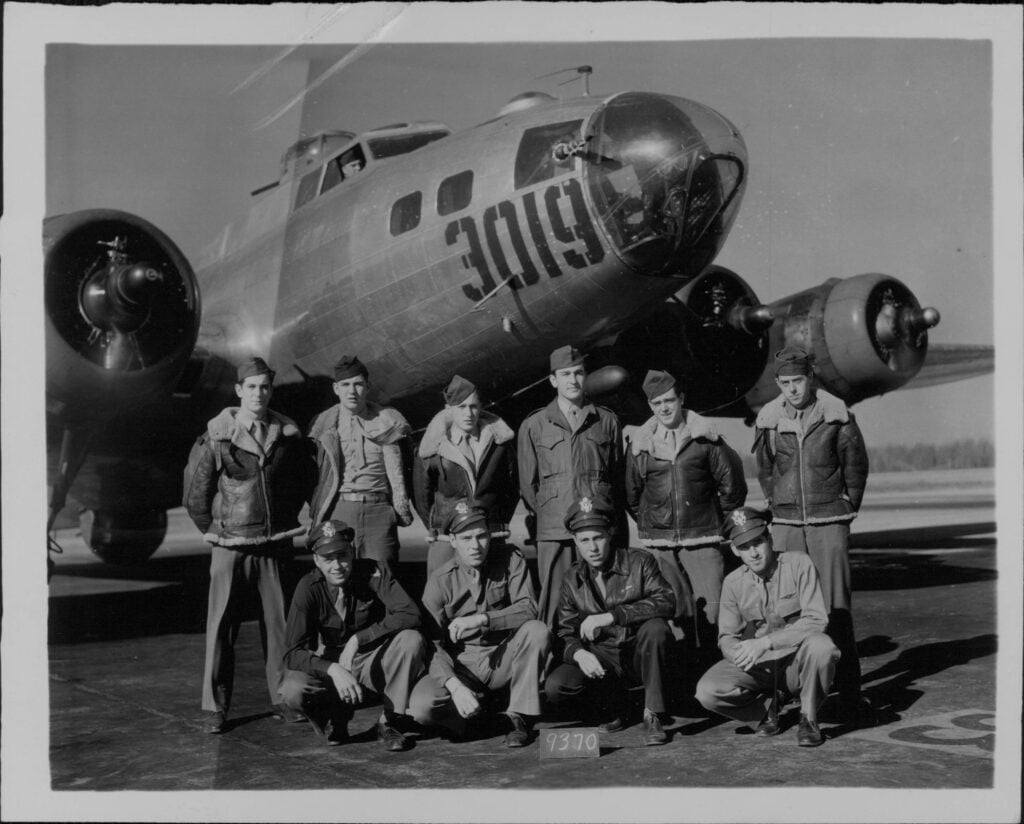
On February 1st, 1943, a B-17 nicknamed All American survived near total destruction. Two German fighters attacked the formation, one spiraling into flames while the second collided with the bomber’s tail. The tail was nearly severed, leaving the gunner suspended by a few metal struts. The crew kept the plane airborne using the autopilot, which relied on electrical controls rather than damaged cables. Against all odds, they returned safely to base, and the bomber would continue flying missions for the rest of the war.
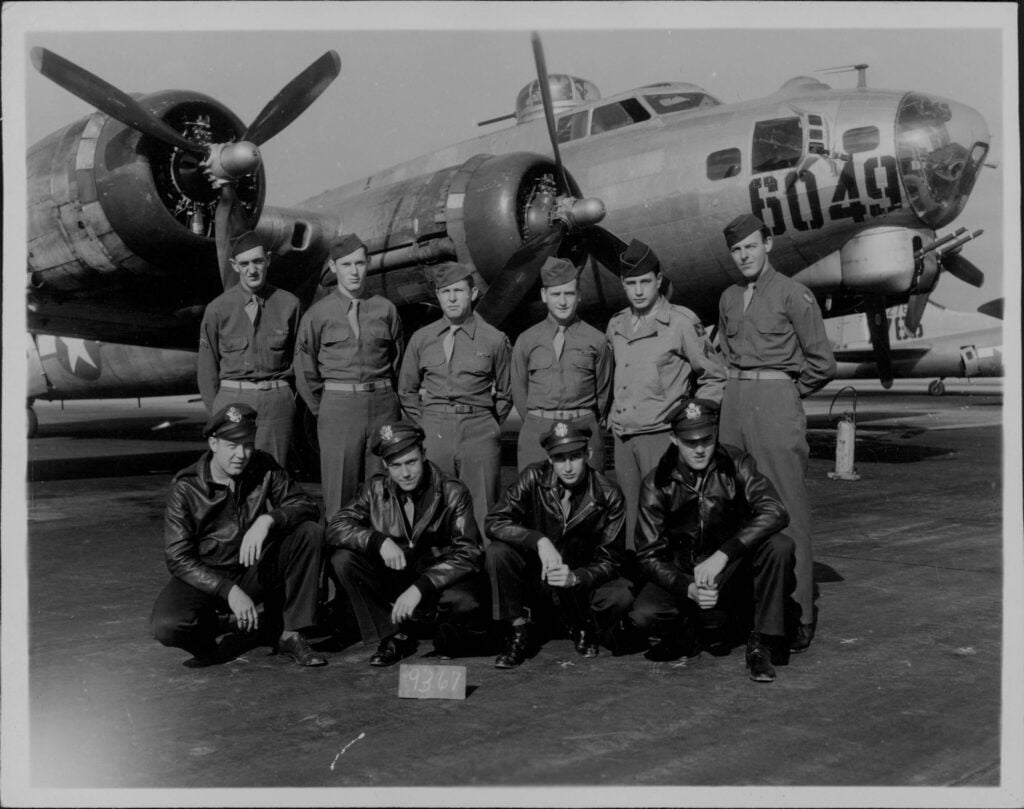
Another harrowing story involved 20-year-old ball turret gunner Alan Maji. During a raid over France, anti-aircraft fire and explosions tore through the plane. Maji was ejected from the bomber at 20,000 feet without a functional parachute. He fell through a glass roof of a train station, which slowed his descent enough to survive with severe injuries. German soldiers provided medical attention, and Maji spent 18 months as a prisoner of war before surviving the conflict.
Survival Against the Odds
Tail gunners Eugene Moran and James Lei faced similar perils. Moran was trapped in a tumbling tail section over Bremen, Germany, suffering broken ribs and shredded arms. He survived by sheer luck as the wreckage struck a pine tree. Lei fell from a detached tail section over Athens and was rescued by local monks. The B-17’s cramped exits, spinning fuselages, and destroyed parachutes made bailing out deadly, and only about one in four crew members successfully deployed their chutes under fire.
Even when the bomber remained intact, missions tested the limits of endurance. First Lieutenant Lawrence Denseny, flying over Cologne, lost the nose of his plane to a direct flak hit. Instruments, oxygen, and controls were destroyed, exposing him and his crew to freezing, thin air at 20,000 feet. Using instinct and skill, Denseny guided the damaged aircraft across enemy territory, finally landing at a British airfield with his crew alive. The Flying Fortress, though battered and skeletal, had fulfilled its purpose yet again.
The B-17’s missions over Europe reveal the brutal reality of daylight bombing campaigns. They combined engineering, courage, and luck, with survival hanging by the thinnest threads. Crews endured impossible odds, facing enemy fighters, precise artillery, and near-certain death, yet their resilience and training kept the campaign alive and the Flying Fortress in the sky.









