The Story of a WWII Incident Where Japanese Pilots Mistook a U.S. Carrier for Their Own
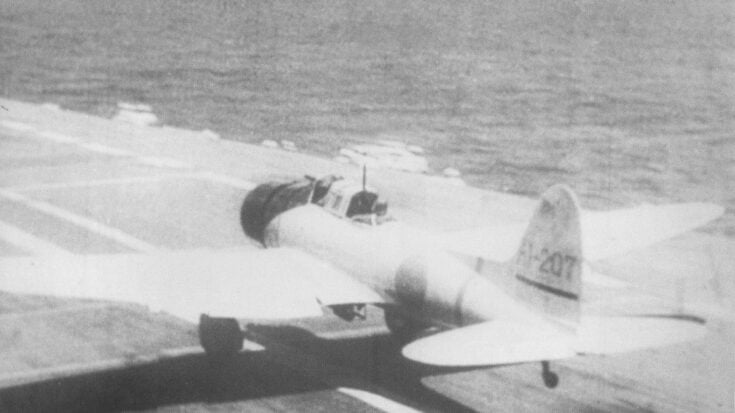
not stated, Public domain, via Wikimedia Commons
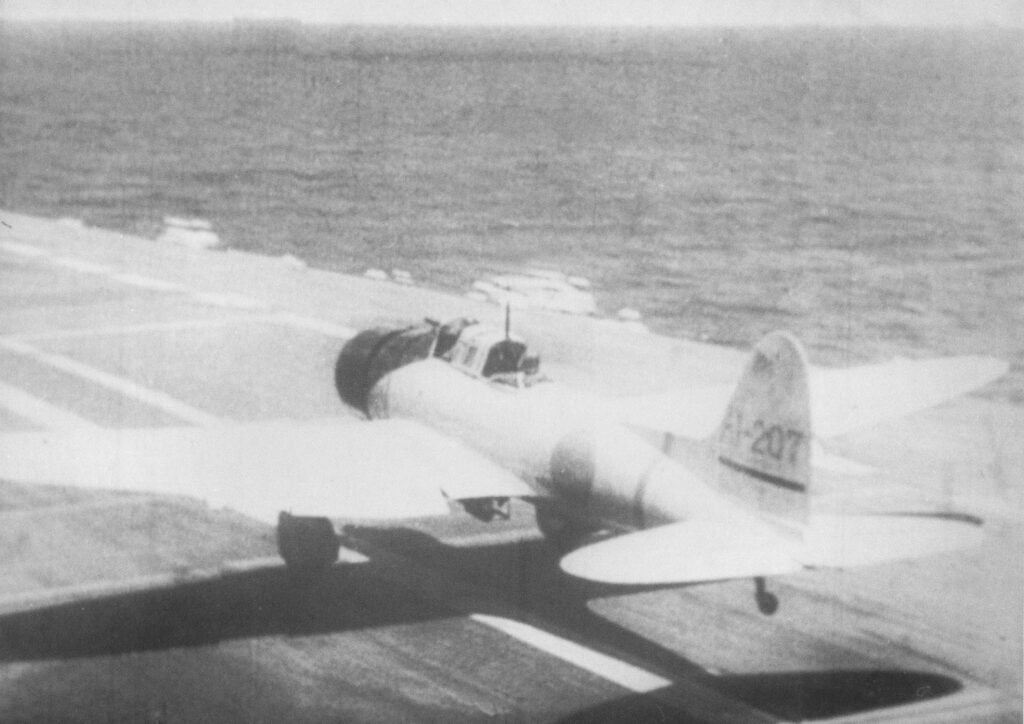
The Pacific War in 1942 was filled with confusion, high stakes, and split-second decisions that could mean life or death. During the Battle of the Coral Sea, a strange incident occurred that highlighted the chaos of naval warfare. On May 7th, 1942, several Japanese pilots, disoriented after hours of flight, mistook the American aircraft carrier USS Yorktown for their own carrier. The event created one of the most unusual episodes in carrier combat history, with a mix of near misses, misjudgments, and sudden corrections that could have ended in disaster.
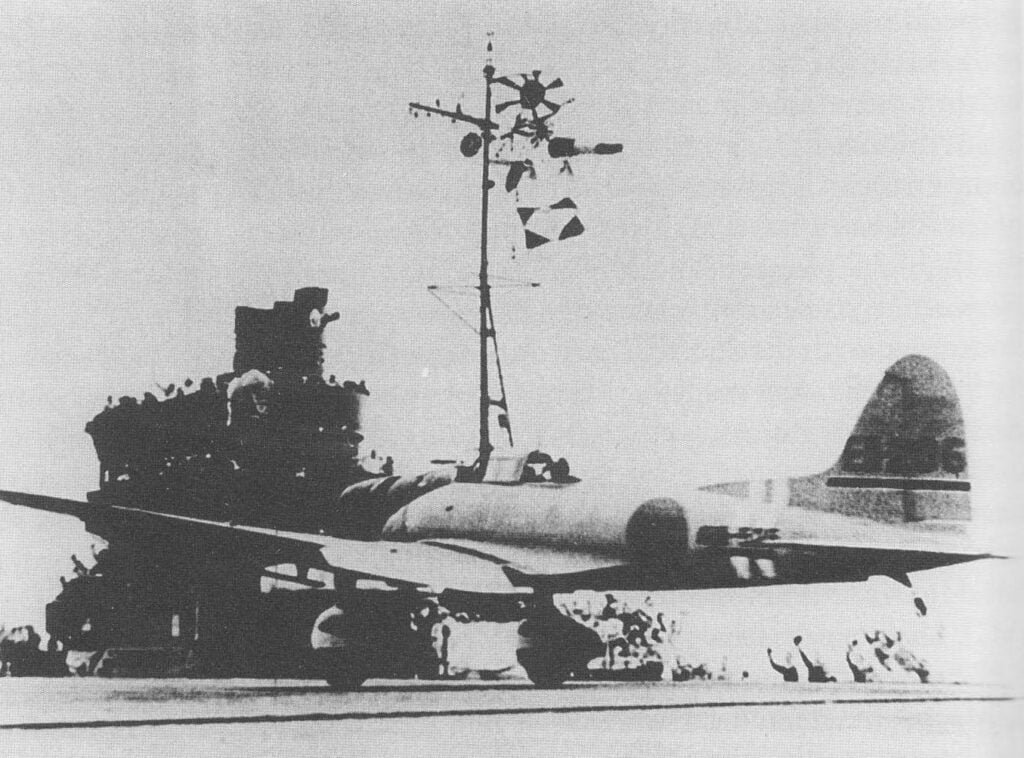
This incident took place near twilight, when the fading light made recognition of ships difficult. Three Japanese planes approached the Yorktown, entering its landing pattern as though they were returning to familiar decks. The carrier’s gunners quickly recognized the mistake and opened fire, forcing the pilots to abort their landing. The planes crossed the bow of the Yorktown and turned away, avoiding what could have been catastrophic collisions. Twenty minutes later, three more pilots repeated the error, with one aircraft being hit and destroyed by American fire.
Confusion Over the Deck
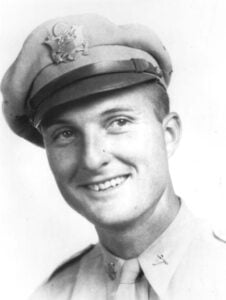
Lieutenant Junior Grade Elbert McCuskey, a pilot aboard VF-42, recalled the scene as chaotic. “Everything was in a mess, with the Japanese planes and the American planes and the carriers all over the place. I couldn’t find my carrier, so I landed on another. I saw three Japanese planes circling with us, and thought they were part of a group from another carrier. I landed and was in the ready room when someone got wise that those three were Japanese.” The combination of low light, multiple aircraft, and overlapping flight paths made split-second decisions nearly impossible.
The first Japanese pilot entering the pattern nearly completed a landing before realizing the mistake. With his engine idling, he suddenly throttled forward and veered away, followed closely by other disoriented pilots. Their aircraft were unarmed, as standard procedure required ordnance to be jettisoned before attempting a landing. American gunners, meanwhile, had to react immediately, firing at anything approaching the deck—even mistakenly targeting friendly Wildcats in the confusion. Out of 27 Japanese aircraft launched that day, only 18 returned to their carrier, emphasizing how disorientation and battle stress could lead to heavy losses.
Eyewitness Accounts from the Yorktown
Midshipman Bill Surgi, aboard the Yorktown at the time, described the unusual sight. “It happened at sunset. There was light in the western skies, and it was dark to the east. We on Yorktown were preparing to land our CAP of F4F Wildcat fighters when a group of aircraft circled the task force sending blinker light signals that we did not recognize. This group of aircraft joined our landing pattern.” Surgi explained that the Landing Signal Officer (LSO) expected only American planes at the time, so spotting unfamiliar aircraft with fixed landing gear immediately raised alarms.
One Japanese Aichi Type 99 “Val” dive bomber attempted to follow the signals but was waved off by the LSO. The ship’s commanding officer ordered the crew to “stand by to repel boarders.” As the aircraft passed the port side and its national insignia became visible, all the ship’s guns opened fire. The incident created a display of tracer fire across the sky, forcing the Japanese pilots to finally understand they were not approaching their carrier. In the chaos, even some American F4Fs were hit by friendly fire, showing just how tense and unpredictable carrier operations could become during combat.
Lessons From the Chaos
This unusual misidentification underscored the challenges of nightfall carrier operations, even for experienced pilots. Disorientation, fatigue, and the stress of battle can combine to create dangerous errors, with split-second recognition of friend or foe determining survival. The episode on the Yorktown demonstrated how quickly confusion could escalate and how disciplined response from the crew and gunners was critical to avoiding disaster.
Despite the danger and the heavy losses among Japanese aircraft, no collisions occurred, and the Yorktown’s crew managed the situation with skill under pressure. The incident remains a remarkable example of the fog of war in carrier battles, highlighting how simple misidentifications could have had devastating consequences. It also illustrated the complexity of naval aviation in the Pacific theater, where speed, light conditions, and human judgment intersected in life-or-death moments.