The Incredible Story of Mary Ellis, Who Flew 1,000 WWII Planes
Airfix / YouTube
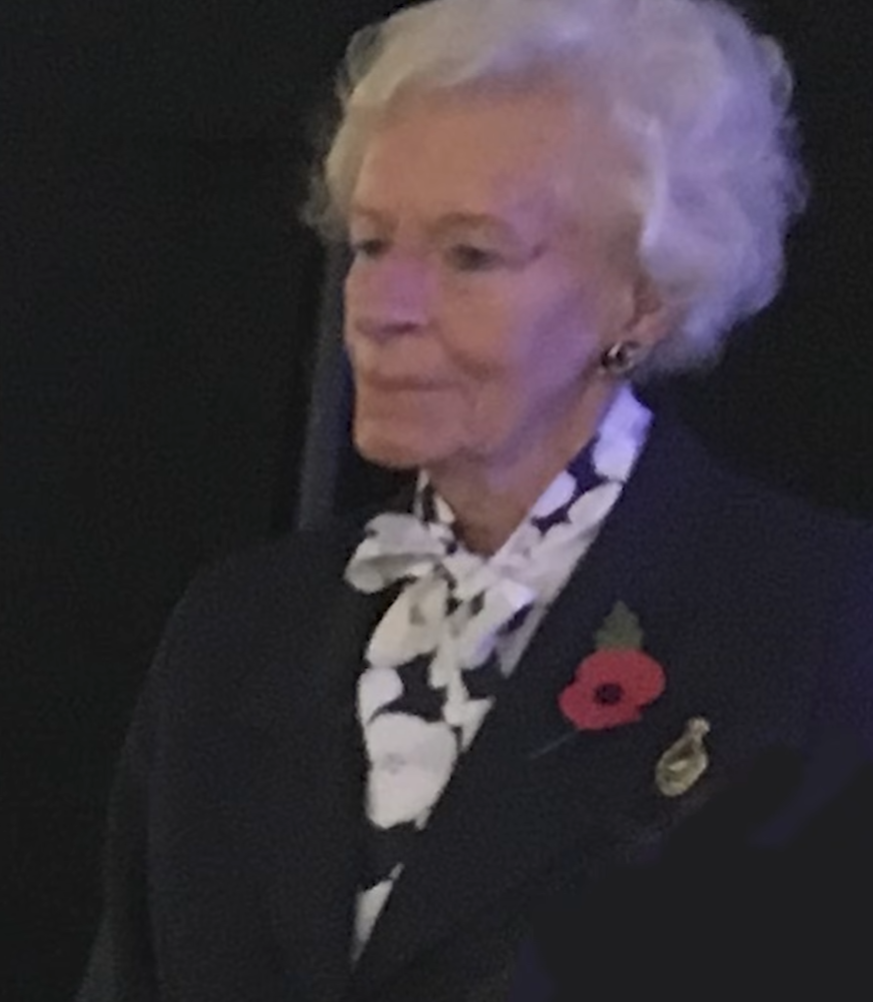
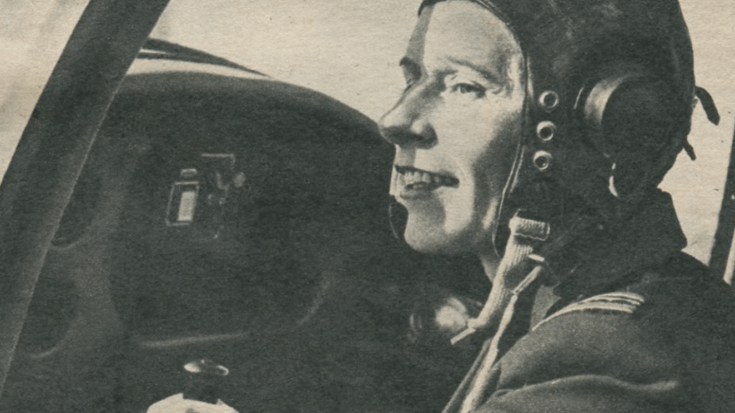
In the crowded skies of wartime Britain, not every pilot was sent to fight. Some were tasked with an equally vital job—moving aircraft from factories to the front. Among those who carried out this demanding work was Mary Ellis, a pilot whose career quietly supported the Royal Air Force during its most critical years.
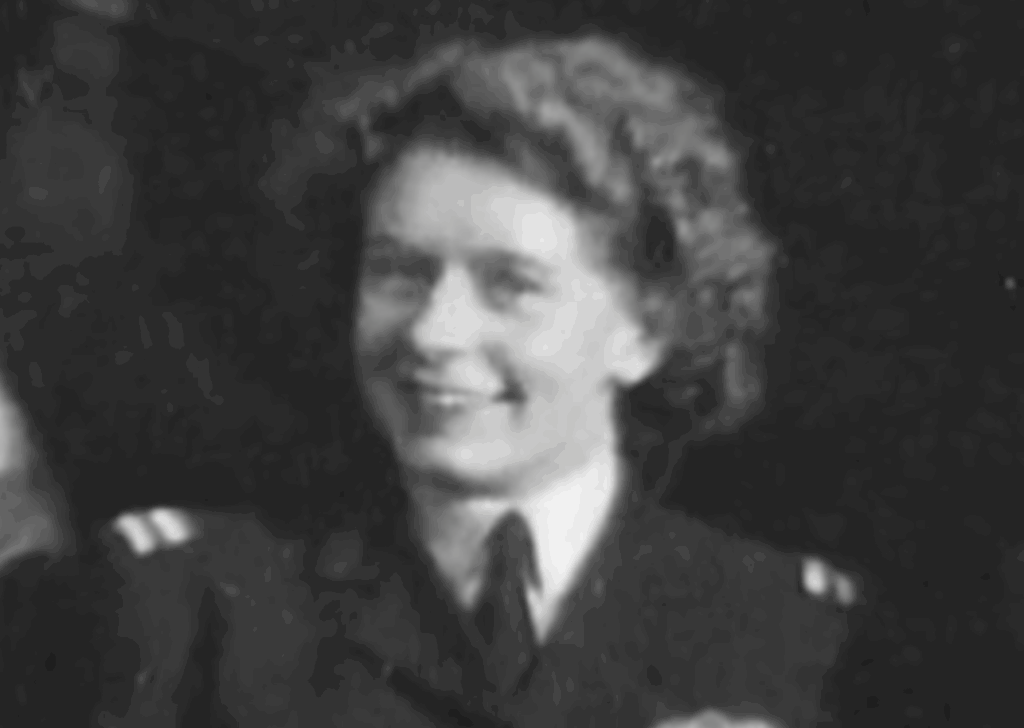
Her interest in flying began early. Growing up, she often watched aircraft overhead, a common sight in prewar England. At just eight years old, she experienced her first flight, an event that shaped her ambitions. By the time she reached her mid-teens, she had already started formal lessons at a local flying club. She earned her private license before war interrupted civilian aviation across the country.
Learning to Fly Anything, Anywhere
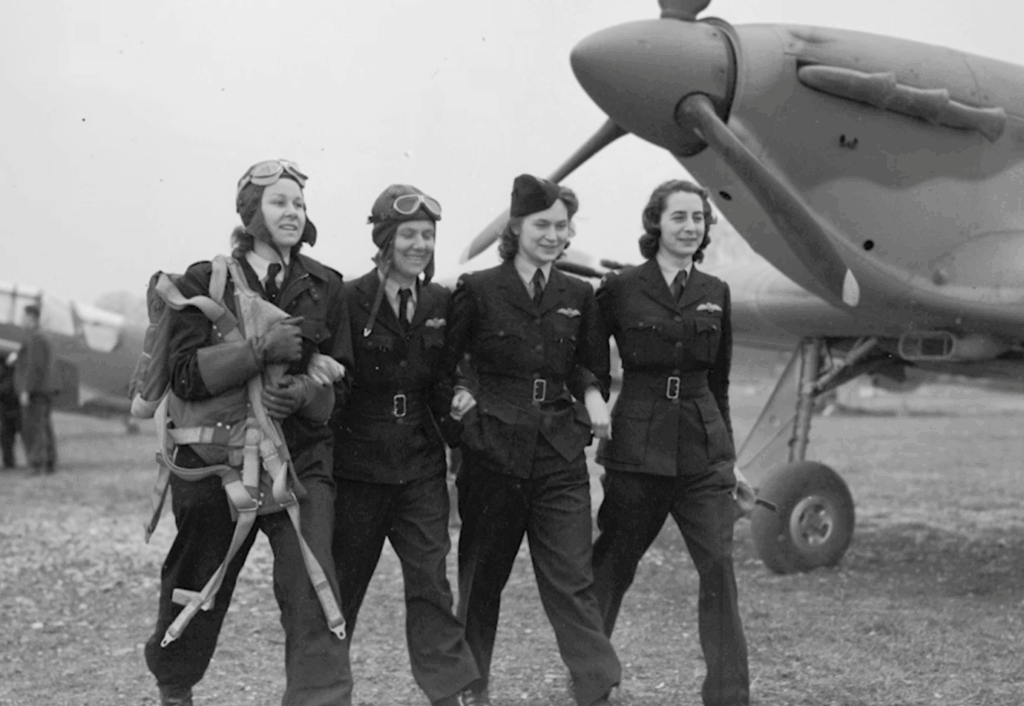
When the conflict intensified, Ellis joined the Air Transport Auxiliary in 1941. The ATA was a civilian organization formed to solve a growing problem. Britain was producing aircraft faster than the Royal Air Force could distribute them. Ferry pilots were needed to deliver planes to operational bases, freeing combat pilots for frontline duties.
Stationed at Hamble in Hampshire, Ellis became part of a group that included many skilled women pilots. Over the course of the war, she flew more than a thousand aircraft. What made her work unusual was the variety. She handled seventy-six different types, ranging from basic trainers to advanced fighters like the Spitfire and Hurricane, and even larger bombers such as the Wellington.
Unlike combat pilots, ATA crews were not given long training periods for each aircraft. Instead, they relied on brief notes and quick familiarization. This meant adjusting rapidly, sometimes flying several completely different planes within a single day. It demanded precision, confidence, and strong memory.
Risks in the Air and Doubts on the Ground
Flying without weapons or escort brought its own dangers. Ellis encountered hostile fire while crossing southern England, where enemy aircraft sometimes slipped through defenses. She also faced technical failures and hazardous weather. On one occasion, a mechanical problem forced her into an emergency landing, highlighting how unforgiving the job could be.
Challenges were not limited to the sky. At that time, many people doubted that women could handle complex aircraft. After landing a Wellington bomber, Ellis was once questioned by ground crew who assumed someone else must have flown it. Despite such reactions, ATA women proved their ability repeatedly through consistent performance.
The risks were real. Several ferry pilots lost their lives during the war. Their work, though less visible than combat missions, played a crucial role in keeping squadrons supplied with operational aircraft.
A Career Beyond Wartime Service
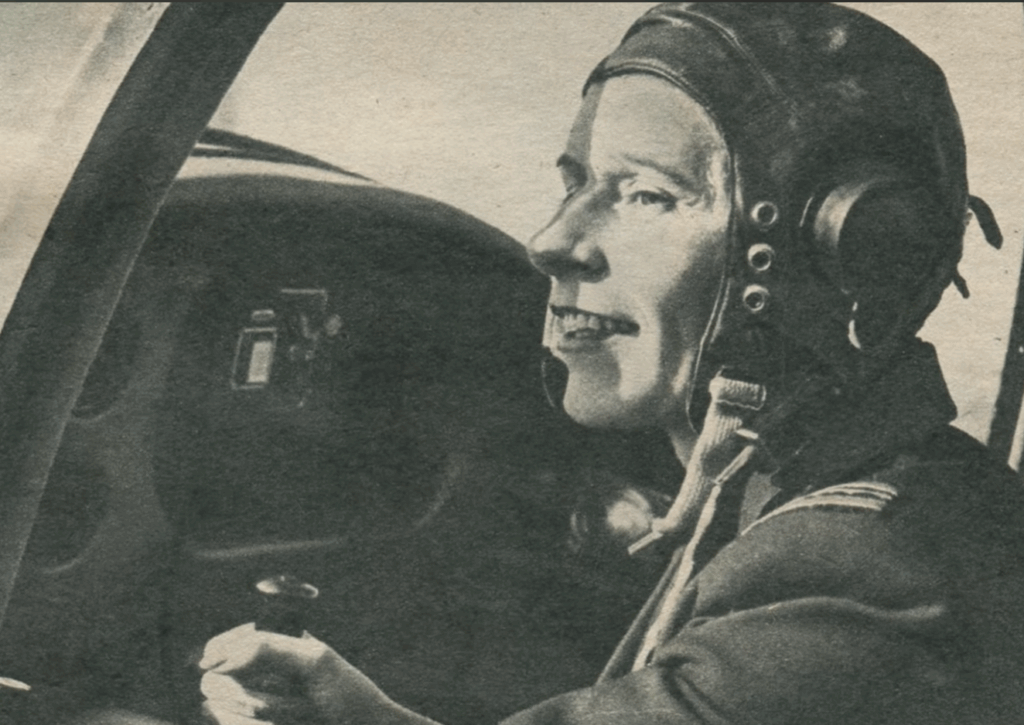
After the war, the ATA was disbanded, but Ellis continued flying. She later worked with the Royal Air Force and became one of the first women to operate the Gloster Meteor, Britain’s early jet fighter. This transition marked the rapid shift from propeller aircraft to jet technology in the late 1940s.
In 1950, she took on a leadership role as manager of Sandown Airport on the Isle of Wight. Over the next two decades, she helped develop civil aviation there and founded a local flying club to train new pilots. Her work supported postwar aviation growth in Britain.
Later recognition came gradually. In 2016, she published her autobiography, Spitfire Girl, offering a detailed account of her experiences. Two years later, she received the Freedom of the Isle of Wight, honoring her contributions to aviation and public service.
Mary Ellis passed away in July 2018 at the age of 101.