The Incredible Story of the Czech “Medieval Knight” Who Stood Up to German Tanks in WWII
Mark Felton Productions / YouTube
In the tense autumn of 1938, Europe stood on the edge of collapse as borders shifted without the consent of smaller states. In Czechoslovakia, decisions made by foreign powers forced the country to surrender its fortified frontier regions without a fight. While the army was ordered to withdraw and civilians watched in silence, one man chose to answer the crisis in a way no one expected.
This was not an officer or a politician, but a local landowner who believed history still carried duties. His act would last only minutes, yet it became a lasting symbol of personal defiance during a moment of national humiliation.
The Sudeten Crisis and a Strange Encounter
Late in September 1938, German forces prepared to enter the Sudeten borderlands, areas with large ethnic German populations. Britain and France had agreed to this transfer after negotiations that excluded Czechoslovakia itself. The government in Prague ordered its army to avoid resistance and pull back as armored columns crossed the border in early October.
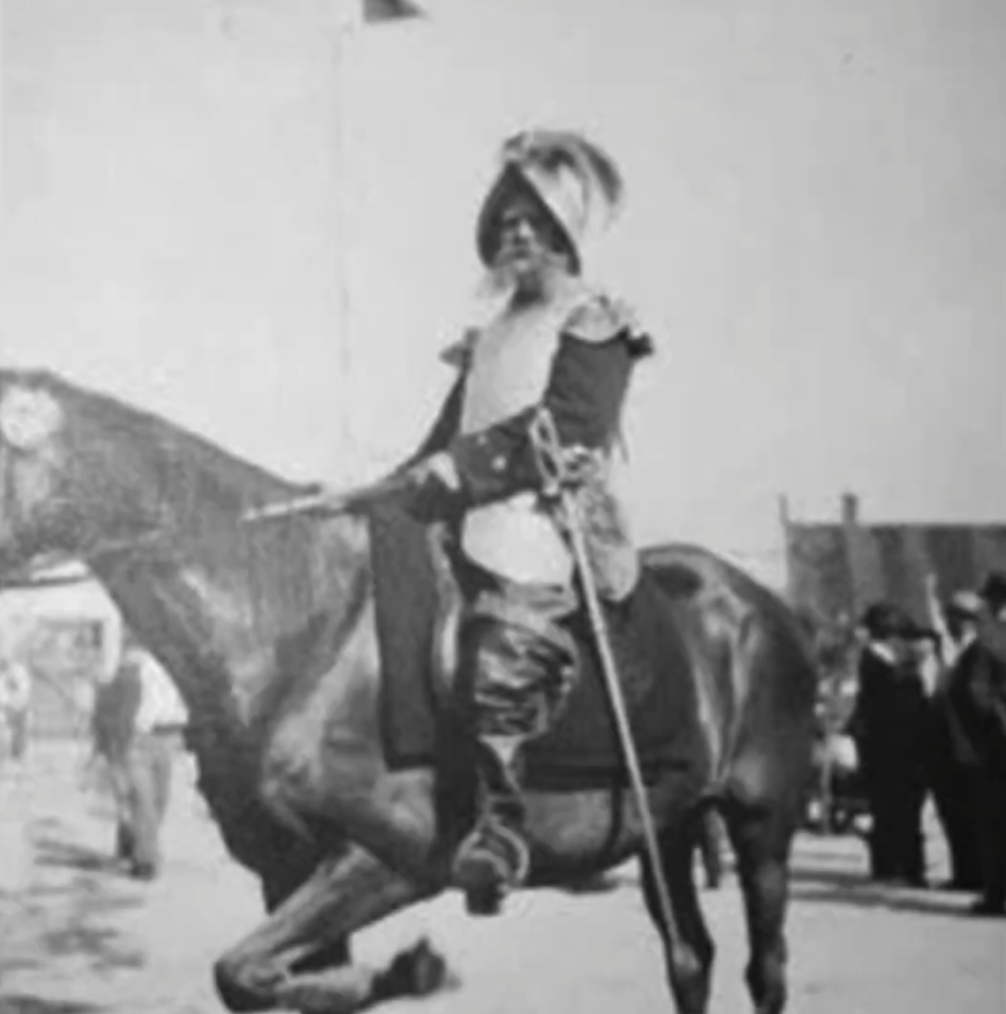
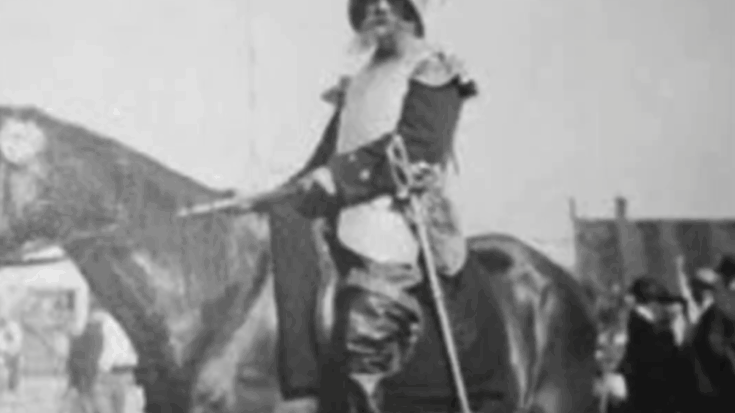
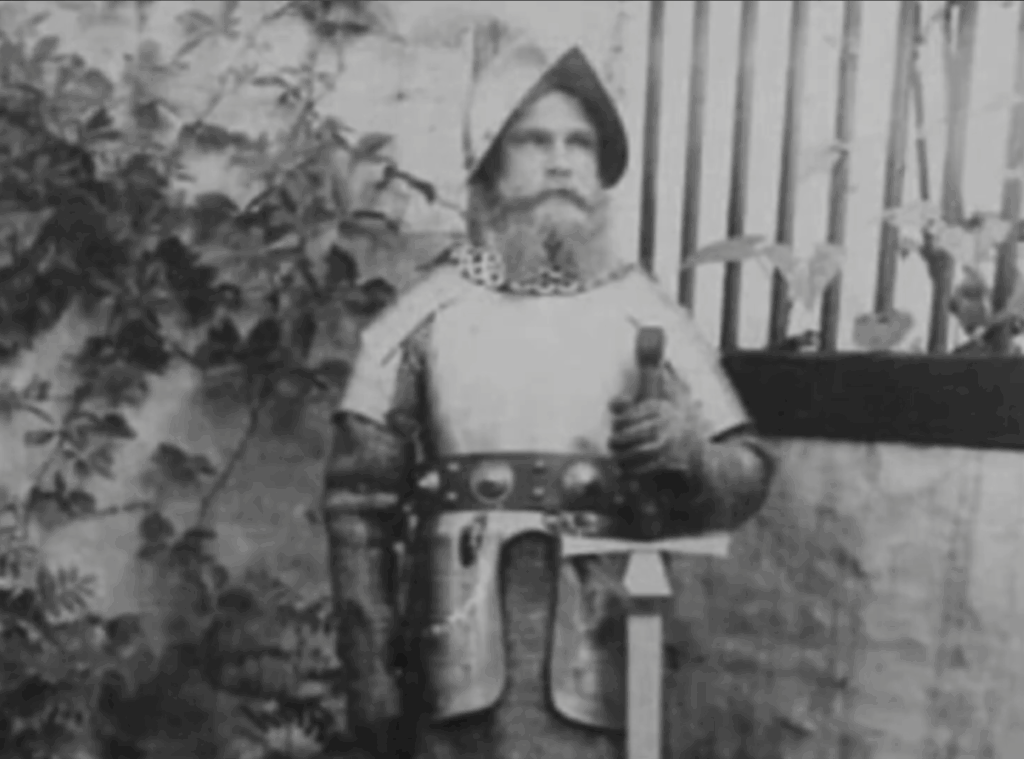
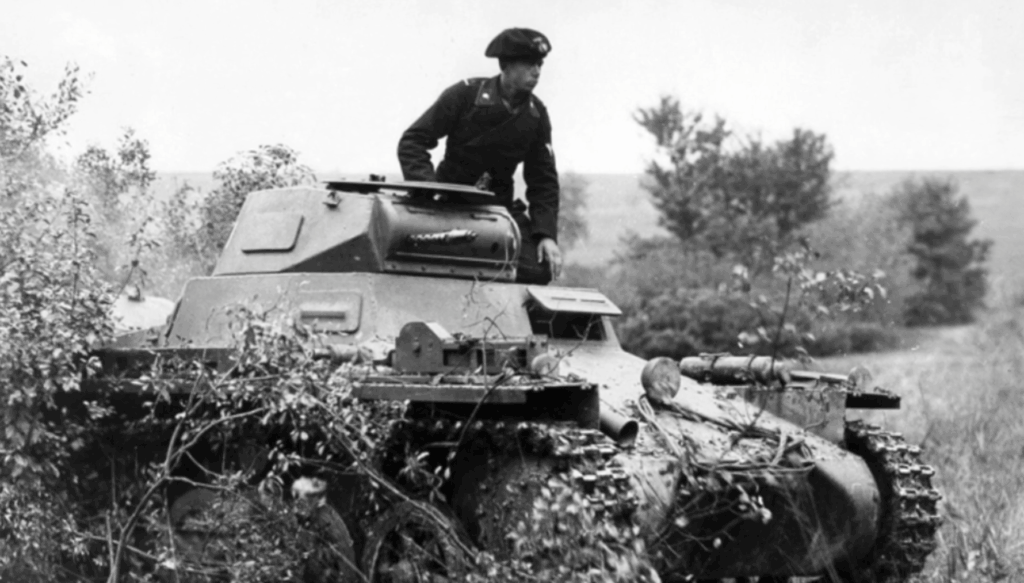
Near the village of Bělá in the Bohemian Forest, one advancing column suddenly stopped. Standing in the road was a mounted figure dressed in full plate armor. He sat upright on his horse, wearing a metal helmet with a feather, a sword at his side, and a battle axe resting against his saddle. The sight was so unexpected that the tanks halted as their crews tried to understand what they were seeing.
Josef Menčík, Knight of His Own Time
The man was Josef Menčík, born in 1870 to wealthy landowners during the Austro-Hungarian period. He spent his youth near the ruined castle of Dobrá Voda, owned by the Schwarzenberg family. From an early age, he developed a deep attachment to medieval culture and noble ideals, imagining himself as a lord from an earlier age.
In 1911, after a fire damaged the castle, Menčík bought the ruins and slowly restored them. He rejected electricity and modern comforts, choosing instead to live as he believed medieval nobles once had. He traveled on horseback, often wearing partial armor, and carried a sword as part of daily life. To neighbors, he was an eccentric but mostly harmless figure.
Living History and Private Convictions
Menčík turned part of his castle into a small museum for his collection of arms and armor, much of it of French medieval origin. How he acquired these items was never fully clear, and locals often wondered how he paid for his lifestyle. Despite rumors, he earned a reputation for courtesy and a strict personal code shaped by old chivalric ideas.
When news spread that German troops would cross the border on October first, 1938, Menčík decided to act alone. He put on his armor, armed himself, mounted his horse, and rode roughly thirty kilometers to the frontier village. There, he placed himself directly in the path of modern armored vehicles.
Aftermath and Historical Memory
The German soldiers were stunned but quickly realized the knight was not a threat. They ordered him aside at gunpoint and continued their advance. Menčík was not harmed, and the incident passed without violence. Still, the brief halt left a strong impression on witnesses and soon entered local legend.
Menčík returned to his castle and lived there until 1945, when the postwar Czechoslovak government seized the property. He died later that year at seventy five, in his son’s home. The castle later became a school, and since 1989 it has been slowly restored. His solitary stand remains a quiet reminder of dignity during loss.