The Man Who Flew 487 Aircraft and Completed 2,407 Deck Landings in WWII
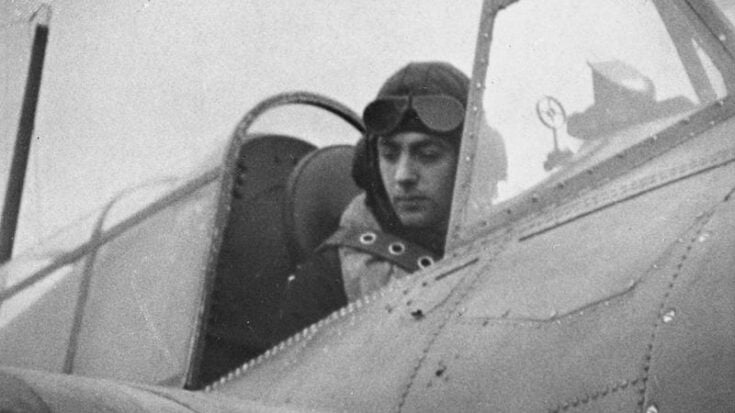
Photo by See page for author, Public domain, via Wikimedia Commons
A Test Pilot’s Unmatched Perspective
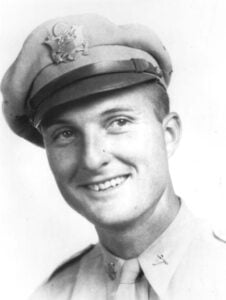
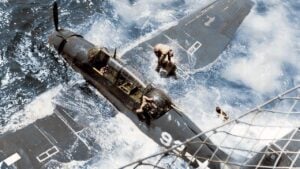
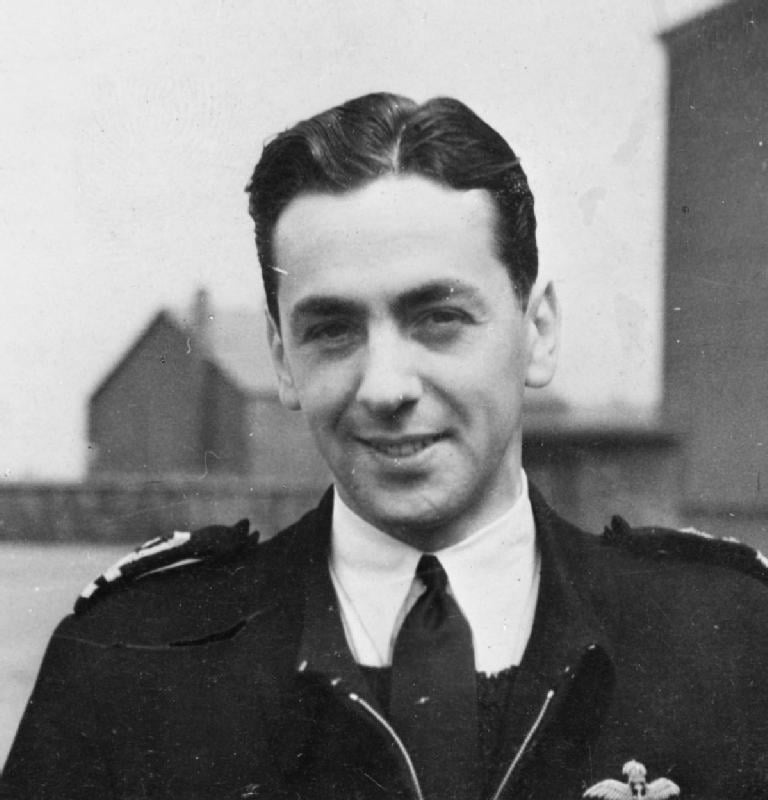
Few people in history saw more aircraft from the inside than Eric Brown. During World War II and the years that followed, he flew 487 different aircraft types and completed 2,407 deck landings on aircraft carriers. Those numbers remain unmatched. His experience gave him a rare ability to compare designs from many countries under real flying conditions, not in theory, but in the air.
Brown often spoke about wartime aircraft with a calm, measured tone. He judged them by how they handled, how safe they felt, and how well they worked in poor weather. For him, an aircraft was not just fast or armed. It had to be controllable, predictable, and forgiving when things went wrong, which they often did during war.
British Aircraft in Wartime Service
Among British aircraft, three stood out clearly in Brown’s memory. The Spitfire, the Mosquito, and the Lancaster were, in his view, the strongest designs to come from Britain during the war. He flew all three for many hours and believed they were well balanced machines that did their jobs effectively.
Each served a different role, yet all shared solid handling and thoughtful design. The Spitfire was agile and responsive, the Mosquito flexible and efficient, and the Lancaster dependable under heavy loads. Brown respected them not out of pride, but because long hours in the cockpit showed their strengths and limits in equal measure.
German Designs Through a Neutral Lens
Brown also acknowledged that German engineers produced several strong aircraft. He often named the Focke-Wulf 190, the Ju 88, and the Me 262 as notable examples. The jet-powered Me 262 stood apart due to its speed, though it never reached its full impact because of limited numbers and operational issues.
The Focke-Wulf 190 impressed him most among piston fighters. It handled well, remained steady in poor weather, and felt well suited to European conditions. By contrast, he was less fond of the Bf 109. While effective as a wartime workhorse, he found it cramped, hard to land, and demanding in difficult conditions.
Designers Behind the Machines
Brown believed good aircraft came from close ties between designers and pilots. In Britain, figures like Sydney Camm and R.J. Mitchell understood how pilots thought. Their designs reflected practical needs, not just performance goals. After Mitchell’s death, Joe Smith continued refining the Spitfire so it could keep pace with changing threats.
In Germany, Brown later met several leading designers and found many of them easy to talk to. Engineers like Kurt Tank combined design skill with flying experience, which showed in aircraft such as the Focke-Wulf 190. Brown felt that strong research centers played a major role in shaping these machines.
Flying for Pure Enjoyment
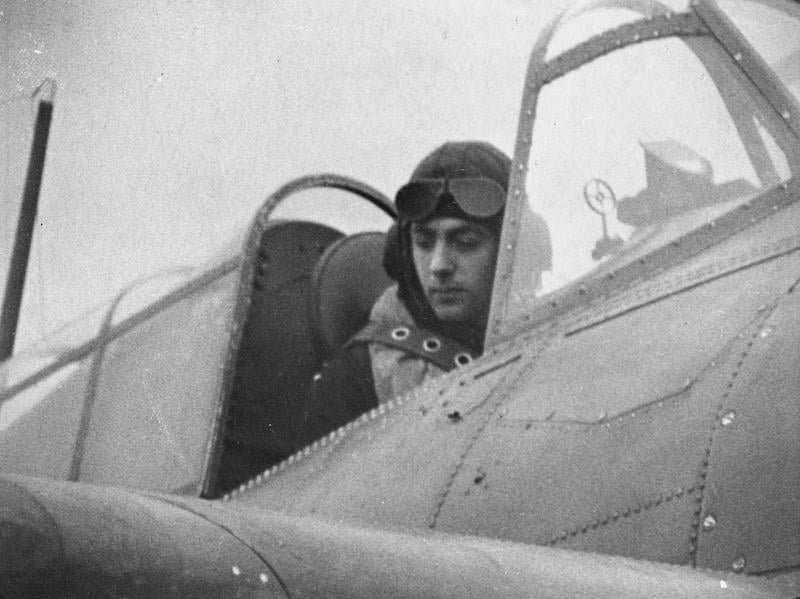
When asked which aircraft he enjoyed most, Brown often named the de Havilland Hornet. It was fast, smooth, and powerful, yet remained stable and pleasant to fly. Its twin engines turned in opposite directions, which removed many control problems during takeoff and landing.
The Hornet also had excellent visibility and enough power to perform demanding aerobatics. Brown even flew full display routines on one engine. To him, it looked right, felt right, and responded honestly to the pilot’s input, qualities he valued above all.
Dangerous Experiments and Hard Lessons
Not every aircraft earned praise. Brown described some experimental designs as deeply unsafe, especially certain tailless gliders. These aircraft suffered from violent trim changes during takeoff and landing, making them hard to control close to the ground.
Stall behavior could also be extreme, with sudden pitch changes that pilots could not easily counter. In at least one case, these flaws led to a fatal crash during testing. Brown’s experiences showed that progress in aviation often came with real risk, even for the most skilled pilots.