

The Real Reasons U.S. Pilots Loved the P-47 Thunderbolt
United States Army Air Forces, Public domain, via Wikimedia Commons
Arrival in Britain and a New Fighter
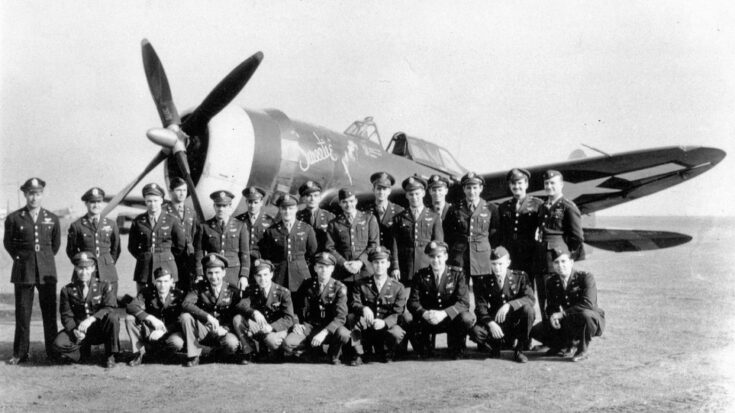
When American air units arrived in Britain during 1942, many airfields across East Anglia were expanded to support them. Duxford became home to the 78th Fighter Group, which flew missions from 1943 onward. Their main aircraft during the early years was the P-47 Thunderbolt, a fighter unlike anything seen before.
The Thunderbolt entered combat in Europe in April 1943. Designed by Alexander Kartveli and built by Republic Aviation, it looked large beside British fighters. Its size raised doubts at first, yet pilots soon learned that this aircraft was built for survival. It was not elegant, but it matched the harsh demands of air war.
Design and Power
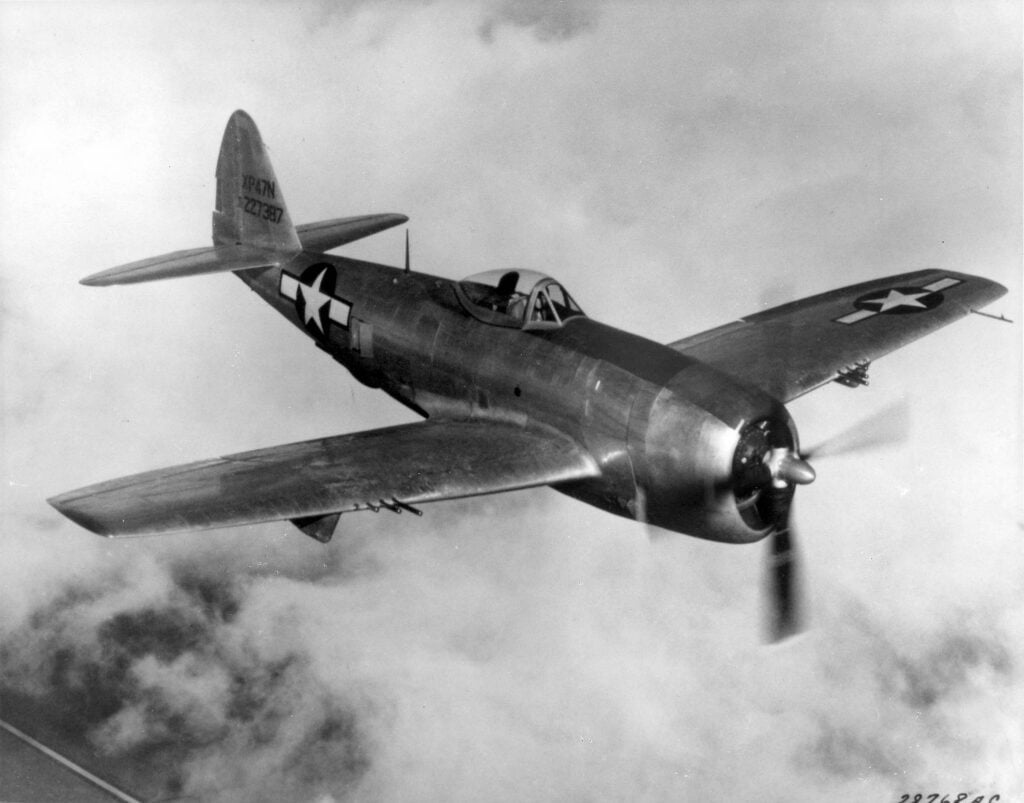
At the heart of the Thunderbolt was the Pratt & Whitney R-2800 radial engine, producing about 2,000 horsepower. The engine was air-cooled, which removed the risk of losing coolant after battle damage. Many pilots trusted this feature more than liquid-cooled engines used by other fighters during the same period.
The aircraft carried a massive propeller and a thick fuselage built around strength. This design allowed the plane to dive at high speed without breaking apart. In combat, pilots learned that diving was their safest escape. The aircraft could absorb heavy damage and still return, something that earned lasting respect.
Firepower and Ground Attack
The P-47 carried eight .50 caliber machine guns, four in each wing. This was more firepower than any other Allied fighter at the time. Pilots noted that firing all guns caused a strong recoil and even slowed the aircraft, but the effect on targets was devastating.
Beyond air combat, the Thunderbolt became a leading ground attack aircraft. It carried bombs and rockets under its wings and fuselage. During operations over Europe, it destroyed trains, vehicles, and supply lines. Ground troops often remembered the sight of a Thunderbolt as welcome support during dangerous moments.
Strengths and Weaknesses
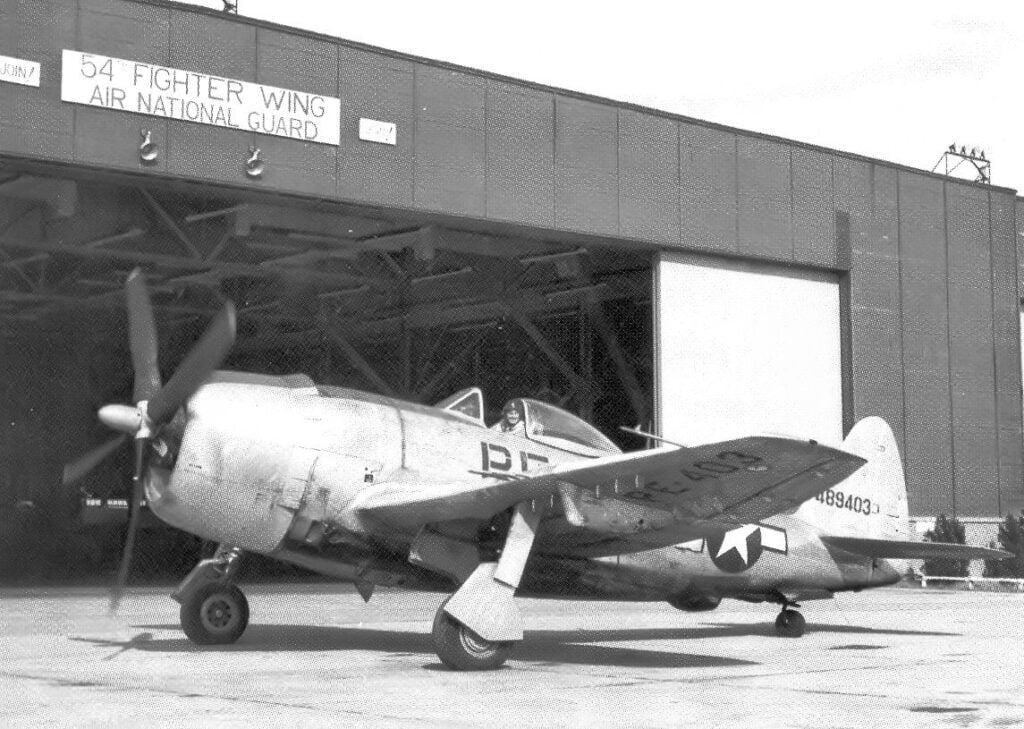
The aircraft did have limits. Its climb rate and acceleration were poor compared to German fighters. Skilled opponents could escape by climbing steeply. The Thunderbolt was not built for turning fights, and pilots were trained to avoid them whenever possible during combat encounters.
Instead, pilots used speed in a dive and heavy firepower. Later improvements helped performance, including paddle-blade propellers and water injection systems. These changes increased engine power when needed. Once upgraded, the aircraft performed better at altitude and became more flexible in combat roles across Europe.
Escort Duty and Pilot Loyalty
Drop tanks extended the Thunderbolt’s range, allowing it to escort bombers deep into enemy territory. From British bases, it protected B-17 and B-24 crews on long missions. This role was demanding, yet the aircraft proved dependable during repeated sorties over contested airspace.
When the P-51 Mustang replaced it for escort duty, many pilots were reluctant to give up their aircraft. The 56th Fighter Group continued flying the P-47 until war’s end. Pilots valued its protection, believing its strength gave them better chances of coming home alive.
Legacy and Influence
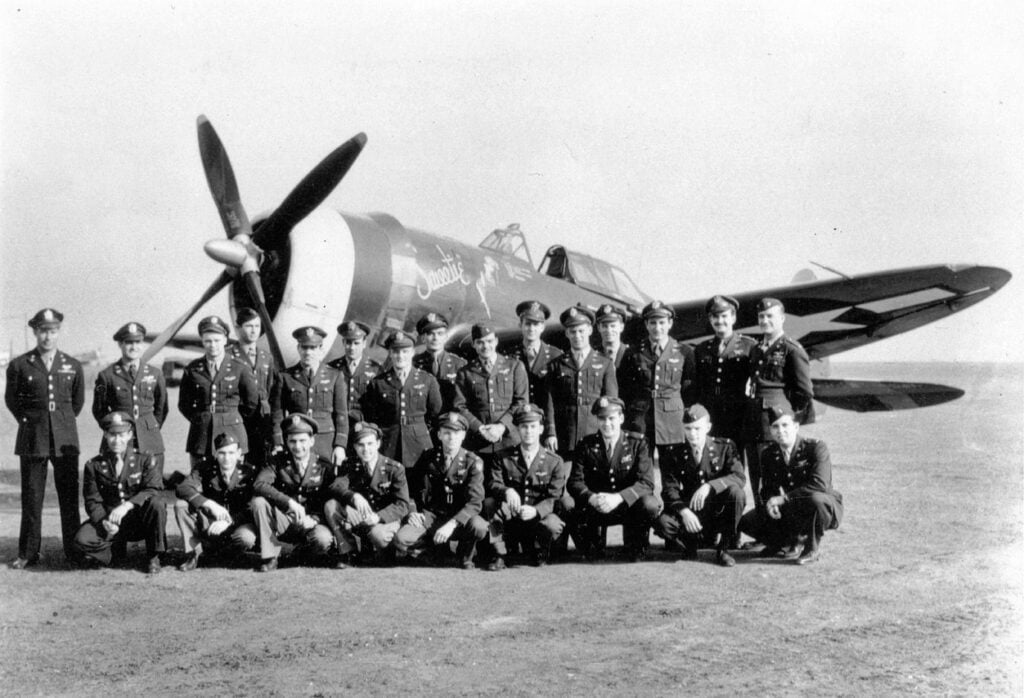
By 1945, more than 15,000 Thunderbolts had been built, more than any other American fighter. They served in every major theater of the war. The aircraft destroyed thousands of enemy planes and far more ground targets during its service life.
Its design influenced later aircraft, including the A-10 Thunderbolt II. Both shared ideas of durability and close support. The original P-47 earned loyalty not through grace, but through survival. Pilots trusted it because it brought them back, even when battles went badly.









