

The Story of Jackie Cochran, America’s First Female Fighter Pilot and the First Woman to Break the Sound Barrier at 652 MPH
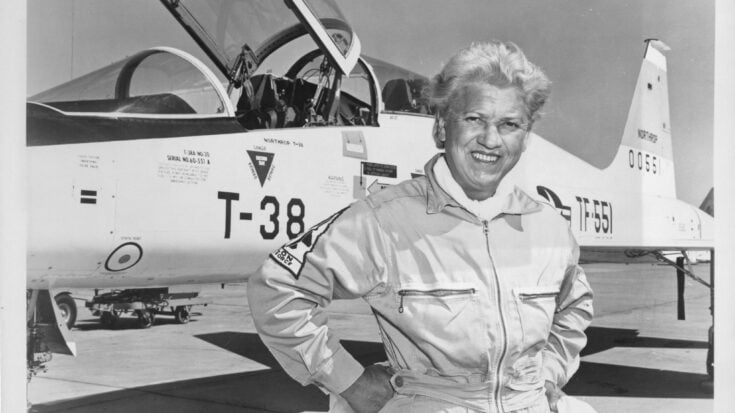
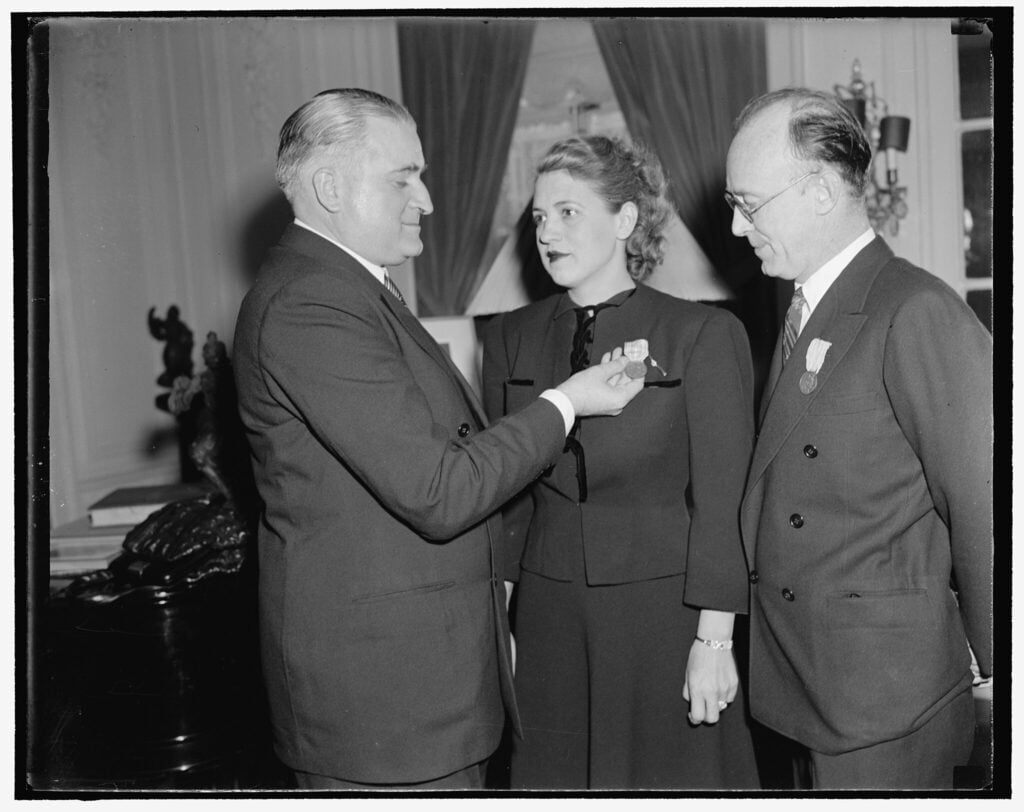
Photo by Smithsonian Institution, No restrictions, via Wikimedia Commons
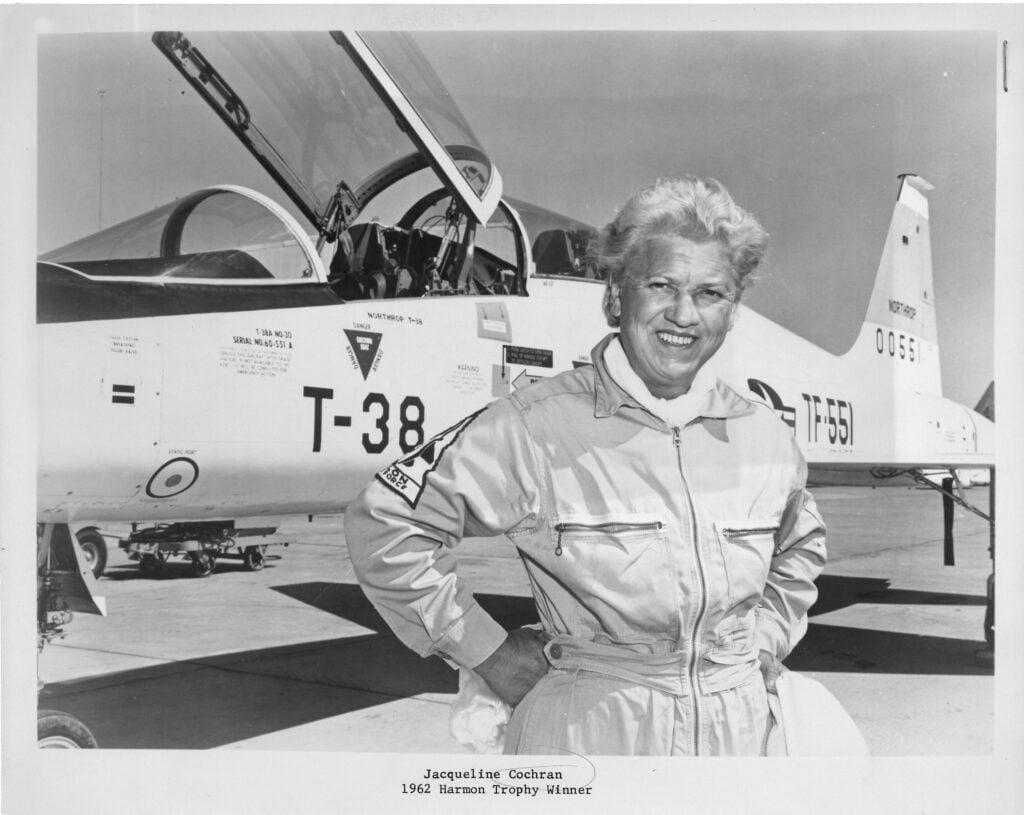
Jackie Cochran’s name is tied to some of the most important moments in aviation history. Long before women were welcomed into military cockpits, she proved through skill and discipline that gender had no place in deciding who could fly.
Her achievements were not the result of privilege or early opportunity. They came from determination shaped by hardship, careful training, and years of risk taken in aircraft most pilots feared to touch.
A Historic Morning Over the Mojave
On May 18, 1953, Jackie Cochran stood beside an F-86 Sabre at Rogers Dry Lake in California. At 47 years old, she was already the most decorated female pilot in history, but the flight ahead carried risks few willingly faced.
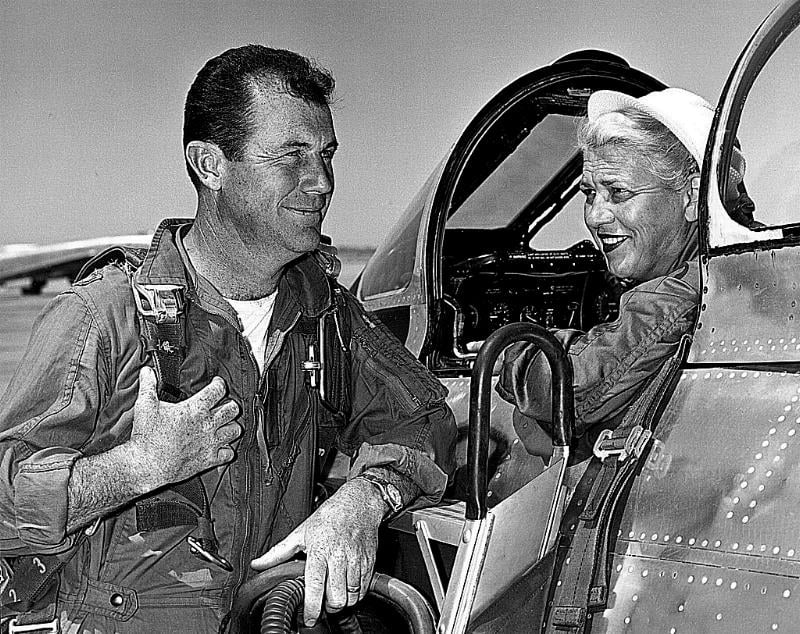
Guided by experienced test pilots, including Chuck Yeager, she climbed to altitude and pushed the jet beyond its limits. As the aircraft shook and resisted, she passed Mach 1 at an average speed of 652 miles per hour, becoming the first woman to break the sound barrier.
From Poverty to Possibility
Cochran was born Bessie Lee Pittman in rural Florida around 1906. She grew up in deep poverty and worked in cotton mills as a child. Her formal education ended early, leaving her barely able to read or write.
As a young adult, she rebuilt her life, moving to New York and finding work in the beauty industry. A wealthy supporter encouraged her to learn to fly, and in 1932 she entered flight school. Three weeks later, she earned her license through an oral exam.
Racing Into the Public Eye
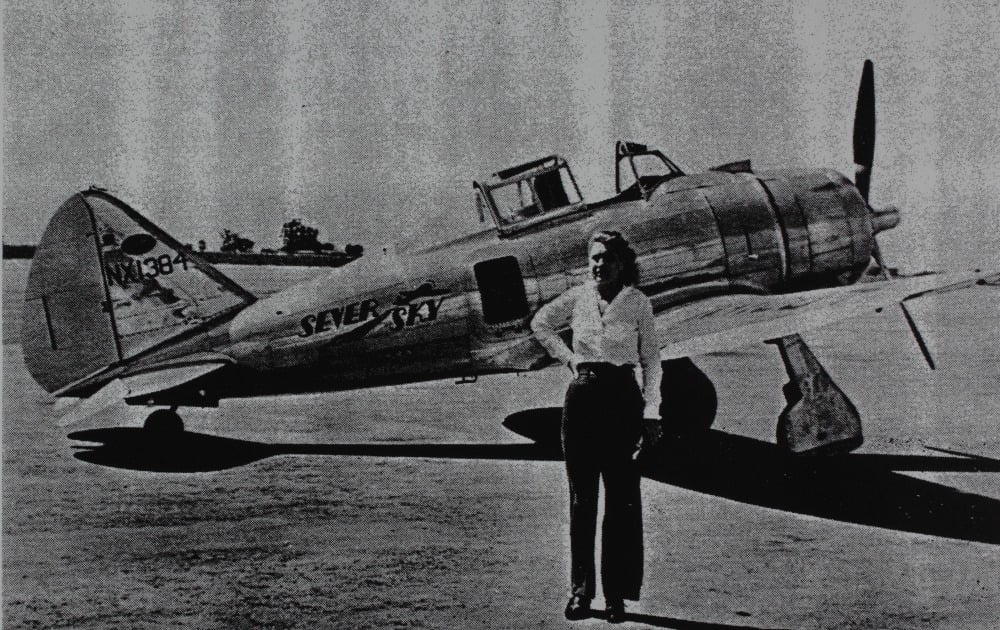
Throughout the 1930s, Cochran became one of the most visible pilots in the world. She competed in major air races, setting speed and altitude records across the United States and Europe.
In 1938, she won the Bendix Trophy Race, flying coast to coast faster than every male competitor. The victory placed her at the center of American aviation and challenged long-held beliefs about women in the cockpit.
War and a New Role for Women
As war spread across Europe, Britain faced a shortage of pilots to ferry aircraft. Women were recruited to fly fighters and bombers inside the country, freeing men for combat duty.
Cochran believed American women could do the same. With support from Eleanor Roosevelt, she convinced Army Air Forces leadership to test the idea, beginning with her own dangerous flight across the Atlantic in a military bomber.
Proving Women Could Fly Military Aircraft
In June 1941, Cochran crossed the North Atlantic in a twin-engine bomber under harsh conditions. The flight demonstrated that women could handle complex aircraft on demanding routes.
She later recruited experienced American pilots to serve with British ferry units before returning home to lead a new program training women for military flying duties.
The WASP Program Takes Shape
In 1942, Cochran became director of the Women’s Flying Training Detachment, later known as the Women Airforce Service Pilots. The women ferried aircraft, tested repairs, and towed targets for live fire training.
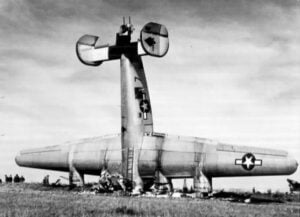
They flew without combat status, lower pay, and no military benefits. Thirty-eight women died during service, and their work remained classified for decades.
Breaking Barriers After the War
After the program ended in 1944, Cochran returned to record flying. She focused on jets, speed, and technical limits that few pilots approached.
Her 1953 supersonic flight marked a new chapter, followed by additional world records and historic jet flights that reshaped aviation history.
.jpg)

.jpg)
