

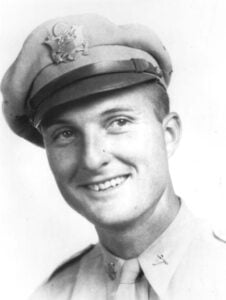
The Story of George Preddy, WWII’s Greatest Mustang Ace Who Scored 26.83 Kills Before a Fatal Mistake Ended His Final Flight
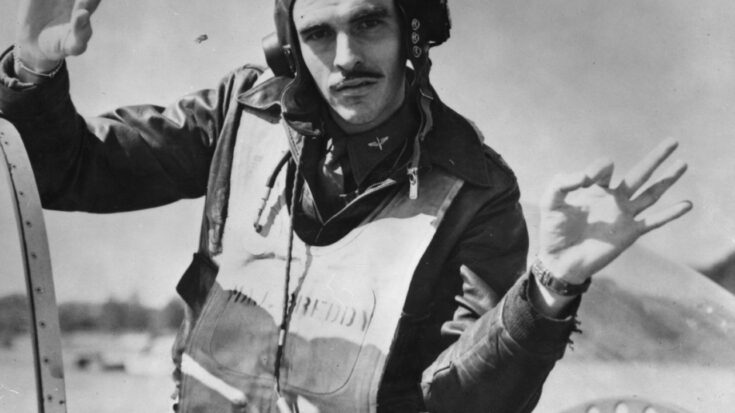
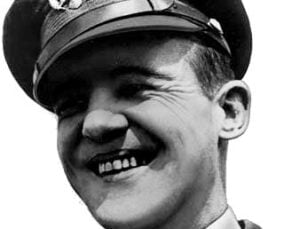
Photo by See page for author, Public domain, via Wikimedia Commons
On the morning of December 25, 1944, American fighters filled the winter sky over Europe. Among them was George Preddy, already known across his unit as one of the most dangerous pilots in the air. Leading his squadron through poor weather and confusion, he pressed an attack that would become his last.
Within minutes, combat broke out at low altitude. Enemy aircraft scattered, and Preddy moved in without hesitation. He was seconds from another victory when events on the ground changed everything, ending the life of the war’s highest-scoring Mustang pilot at just twenty-five.
Early Life and the Call to Fly
George Preddy was born in Greensboro, North Carolina, in 1919. From childhood, he was drawn to airplanes, often watching them pass overhead and imagining himself at the controls. Stories of earlier airmen fueled his interest and shaped his goals.
After high school, he tried to join the Navy but was rejected due to a minor health issue. Refusing to give up, he applied to the Army Air Corps and was accepted. By 1941, he was deep into flight training, learning discipline, precision, and survival.
Preddy’s early service was challenging. Assigned to the 49th Fighter Group in the Pacific, he flew the P-40 Warhawk against experienced opponents. The environment was unforgiving, and victories were rare for new pilots.
His time there ended abruptly after a midair collision during training left him injured. Recovery took time, and his future as a combat pilot was uncertain. Still, he pushed to return and was reassigned to Europe, where his career would change.
Mastering the P-51 Mustang
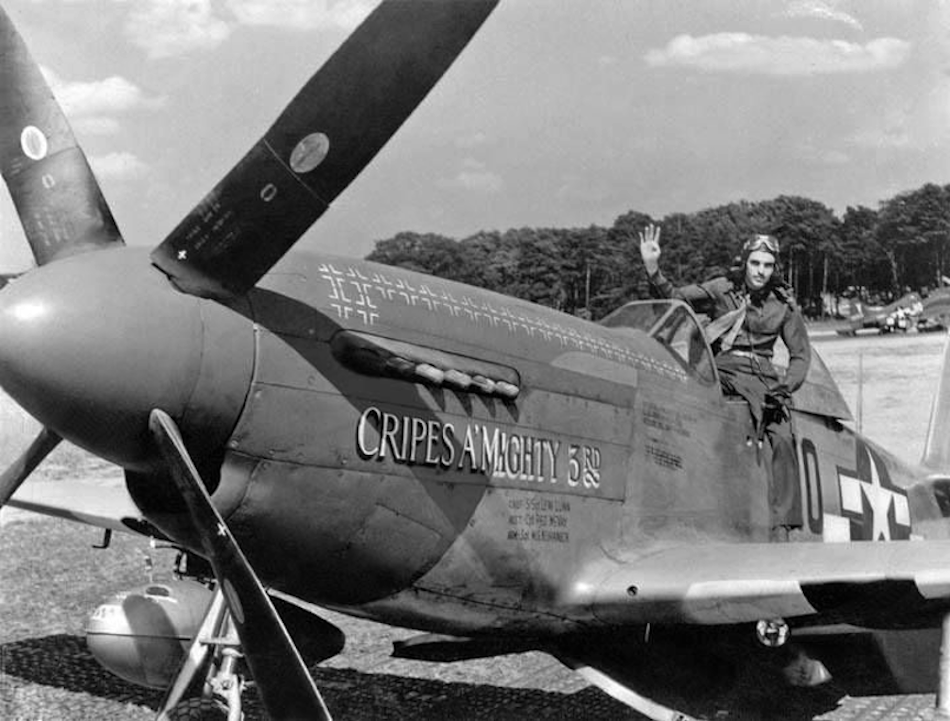
In the European theater, Preddy joined the 352nd Fighter Group and began flying the P-51 Mustang. The aircraft’s speed, range, and firepower suited his direct style. Once airborne, his ability became clear to everyone around him.
By April 1944, he claimed his first confirmed victory. His score climbed fast, and on June 20 he shot down five German aircraft in one day. This achievement marked him as an ace and a leader others followed.
Preddy’s most famous fight came on August 6, 1944, near Leipzig. In roughly five minutes, he destroyed six enemy aircraft during a fast-moving engagement. The action became one of the most remarkable feats of the air war.
Through the following months, he added to his tally while escorting bombers and leading patrols. By late 1944, he had become the highest-scoring Mustang ace, with more than twenty-five confirmed victories credited to his name.
The Final Mission
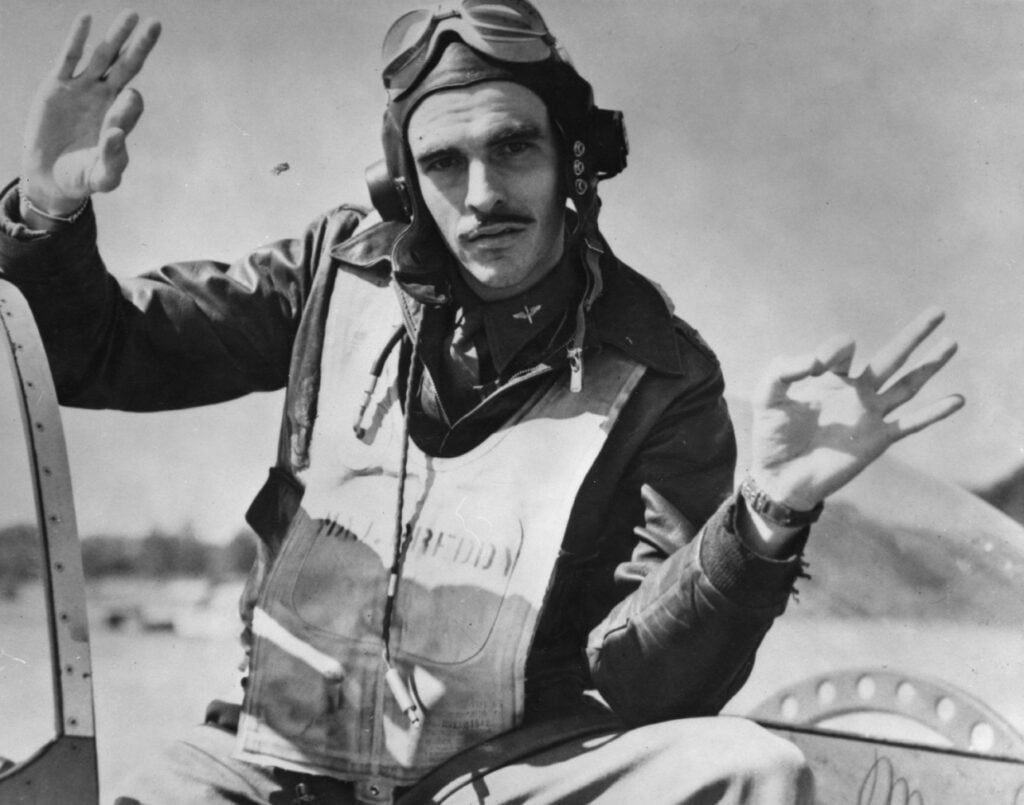
As winter set in, fighting intensified during the Battle of the Bulge. Preddy continued flying daily missions, providing cover for ground forces under heavy pressure. His experience was vital during this period.
On Christmas Day, while chasing another aircraft at low level, American ground fire mistook his Mustang for an enemy plane. His aircraft was hit, and there was no chance to recover before it crashed, ending his combat career instantly.
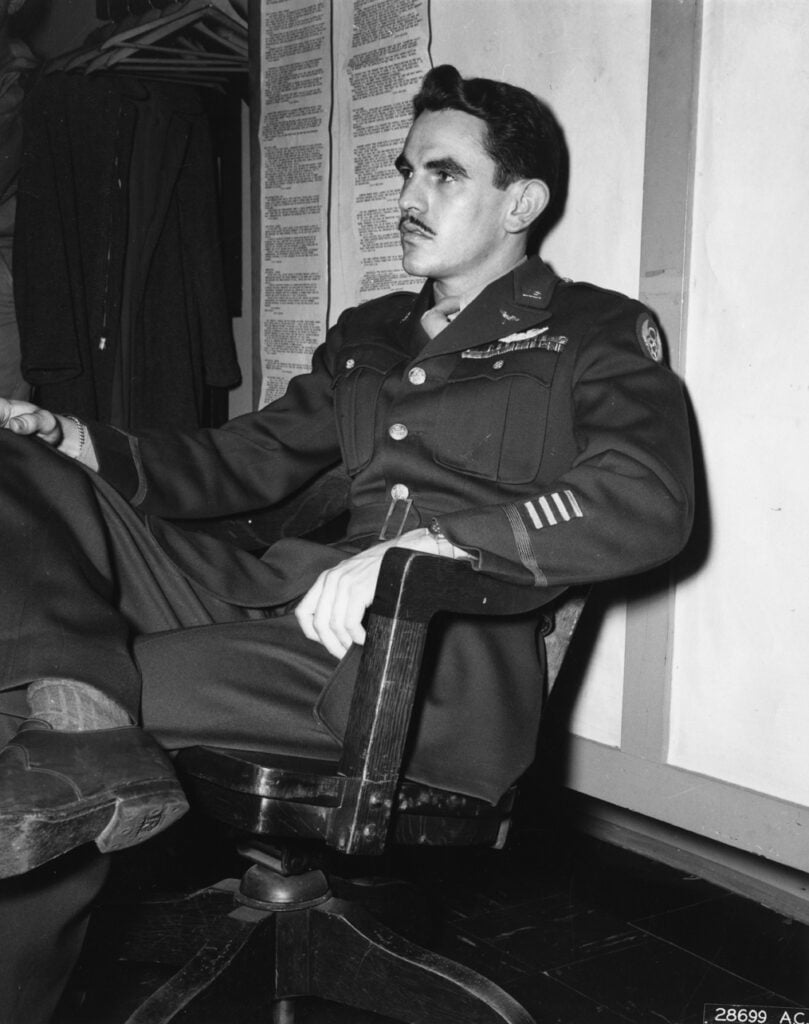
Preddy was officially credited with 26.83 aerial victories, a figure reflecting shared claims common in air combat records. His reputation rested not only on numbers but on consistency and leadership under pressure.
Among fellow pilots, he was remembered for calm decisions, sharp vision, and trust in his aircraft. His name remains closely tied to the P-51 Mustang and the intense air battles fought over Europe in 1944.


.jpg)