

Outnumbered 8 to 1, the WWII Sunderland Flying Boat That Shot Down Three Enemy Fighters
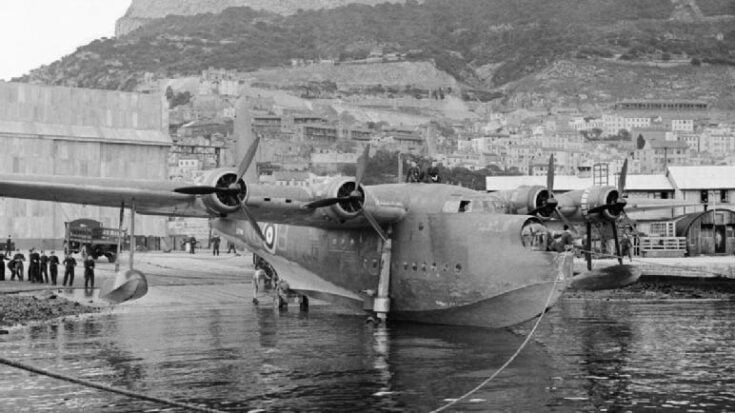
Daventry B J H (Fg Off), Royal Air Force official photographer, Public domain, via Wikimedia Commons
In the air and sea war over the Atlantic approaches, Allied patrol aircraft often operated far from support, scanning wide ocean areas for enemy submarines and protecting shipping lanes. One of the most remarkable survival accounts from this environment involves a heavily armed flying boat that faced overwhelming opposition yet managed to return to Britain despite severe combat damage.
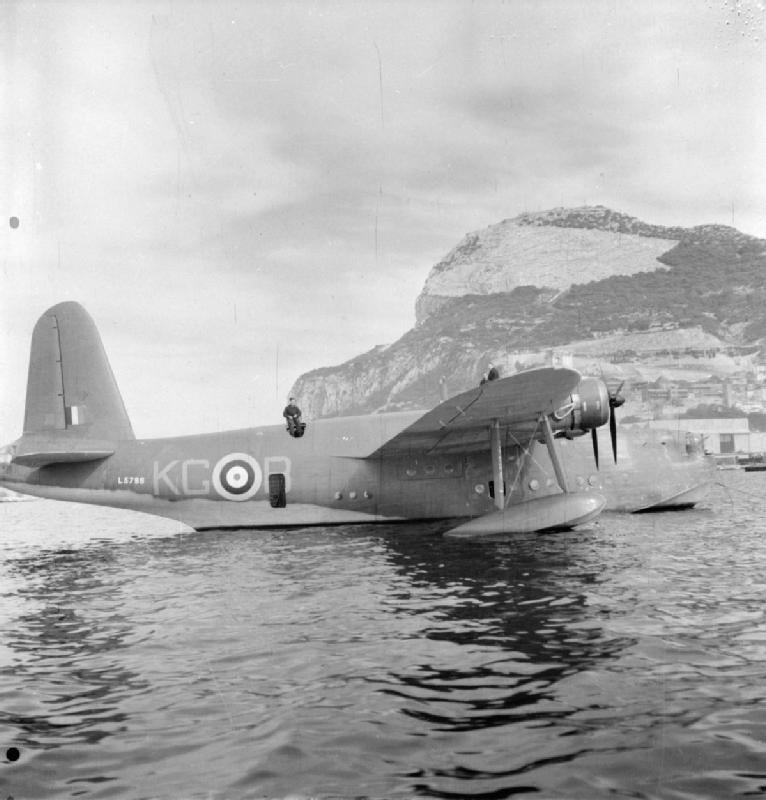
The aircraft involved was a British-built Sunderland flying boat flown by an Australian crew serving within maritime patrol forces. Designed for long endurance missions, it combined naval-style hull construction with airborne combat capability, making it a key asset in coastal surveillance operations during the war.
Bay of Biscay Patrols and the Sunderland
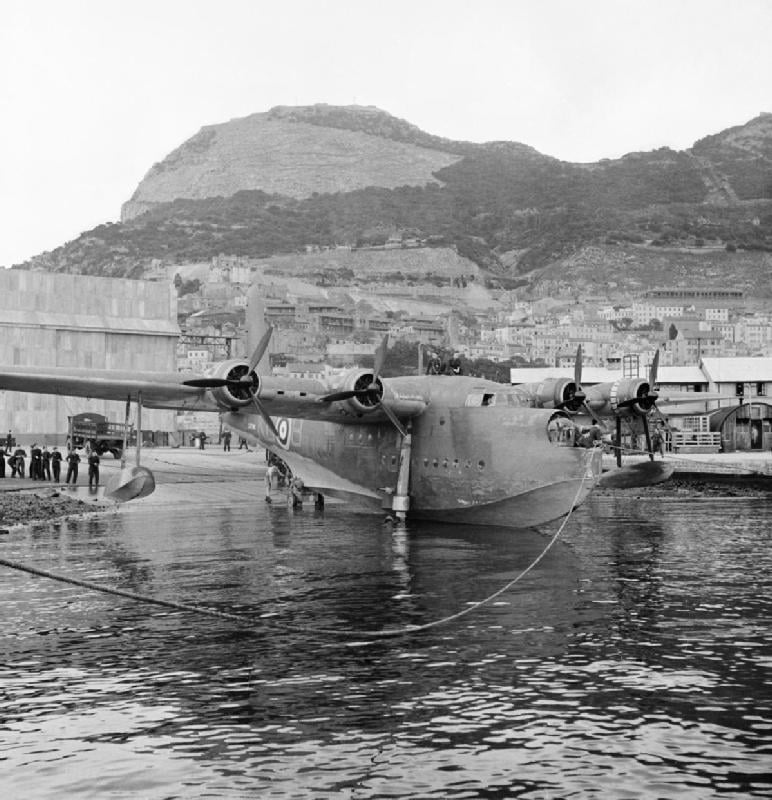
The Short Sunderland flying boat used by Coastal Command was designed for long range maritime patrol, capable of staying airborne for many hours while searching for submarines and escorting convoys. Its hull allowed it to land on water, and its defensive armament made it one of the most heavily armed patrol aircraft of its type during the war.
The aircraft involved in this incident was operated by an Australian crew within RAF Coastal Command. While flying over the Bay of Biscay, a region frequently used by German aircraft hunting Allied shipping and submarines, the Sunderland became the target of a sudden coordinated attack by multiple German Ju 88 aircraft.
The Sudden Engagement at Sea
Reports describe a sudden interception in which the flying boat was surrounded by eight German twin engine Ju 88 aircraft. These aircraft were fast and heavily armed, used in both bomber and maritime strike roles, and they pressed in from multiple directions to overwhelm the patrol.
Despite being a large aircraft, the Sunderland carried multiple machine gun positions that allowed its crew to respond quickly. During the exchange of fire, accurate defensive shooting helped the crew claim several attacking aircraft, disrupting the assault and reducing pressure on the damaged flying boat.
Survival and Return Through Damage
By the end of the engagement, three of the attacking aircraft were reported destroyed, while the Sunderland itself had suffered significant damage but remained airborne. With fuel and structure strained, the crew began a long return flight toward Britain, relying on remaining engines and careful handling.
After navigating coastal waters, the aircraft eventually reached Cornwall where it came down in a controlled landing on a beach. The ability of the airframe to stay intact long enough to land reflected both the strength of its design and the experience of its crew.
Maritime Air Warfare in the Atlantic Approaches
This encounter took place during a wider campaign over the Atlantic approaches, where Coastal Command aircraft hunted German submarines and protected convoys crossing between Britain and its allies. The Bay of Biscay was a heavily contested region due to its role as a transit route for naval operations.
Aircraft such as the Sunderland became essential to long range patrol work, combining endurance with defensive firepower. While not designed for direct combat with fighters, they sometimes survived situations that would normally destroy less armed patrol aircraft, demonstrating the unpredictable nature of air warfare at sea.
Aftermath and Historical Memory
After the aircraft returned, ground crews inspected the damage and noted that engines and fuselage sections had been struck during combat. Records later described the flight as an example of coordinated defensive action under sustained pressure in official war reports.
The incident remained part of Coastal Command discussions on aircraft survivability, especially regarding how heavily armed patrol aircraft could withstand fighter attacks. It also highlighted the importance of crew coordination during emergency combat situations over open sea routes at sea.
Surviving aircraft like this Sunderland reinforced how maritime patrol aviation depended on both machine durability and disciplined crews. Even when heavily damaged, some aircraft could still be guided home, showing the limits of destruction in aerial combat conditions over the sea.
Australian crews serving within RAF Coastal Command contributed significantly to long range patrol operations across the Bay of Biscay, where encounters with German maritime aircraft were frequent and often dangerous, shaping operational experience for future anti shipping missions during the period.








