The WWII Pilot Who Was Shot in the Head Stayed Conscious for Five Hours to Bring His Plane Home
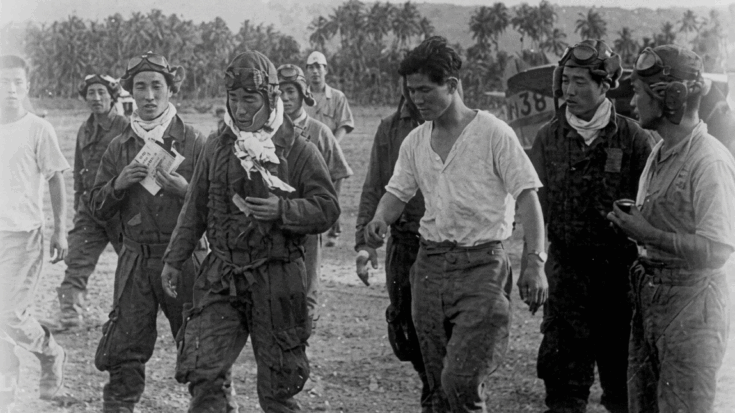
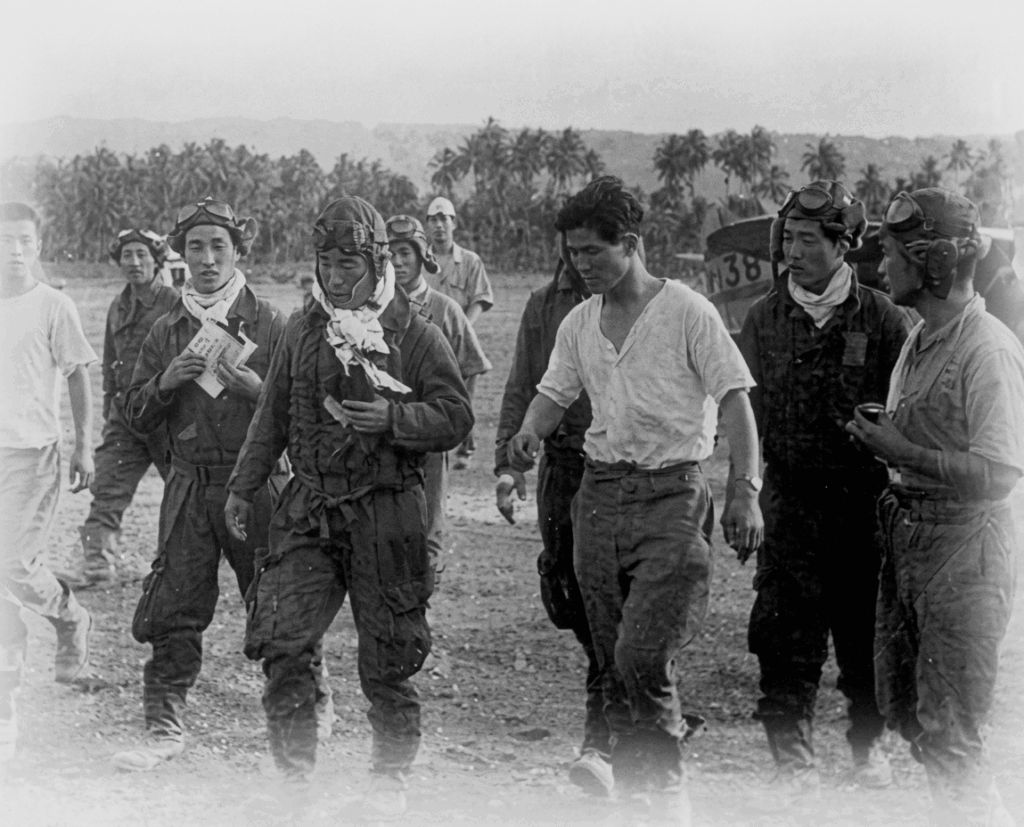
撮影者不明, Public domain, via Wikimedia Commons
In the air war over the Pacific during 1942, survival often depended on skill, endurance, and luck in equal measure. Among the many pilots who fought in long range engagements was Japanese naval aviator Saburo Sakai, who flew combat missions from bases such as Rabaul and faced intense opposition over the Solomon Islands. His experience during a battle near Guadalcanal would later become one of the most discussed survival stories of the war, involving a severe head wound that did not immediately end his flight. he remained conscious long enough to keep flying safely back
By 1944, air combat in the Solomon Islands region had become extremely dangerous for both sides, with aircraft often engaging in fast moving dogfights and long range attacks against enemy positions. Pilots flying Mitsubishi A6M Zero fighters, the main carrier based aircraft used by Japanese naval forces, frequently faced American Wildcats and other Allied fighters. These encounters demanded quick reactions and high endurance, as missions stretched over open ocean where emergency landings were rarely possible and rescue was uncertain for downed crews Operations around Guadalcanal remained particularly costly throughout this phase of the war it
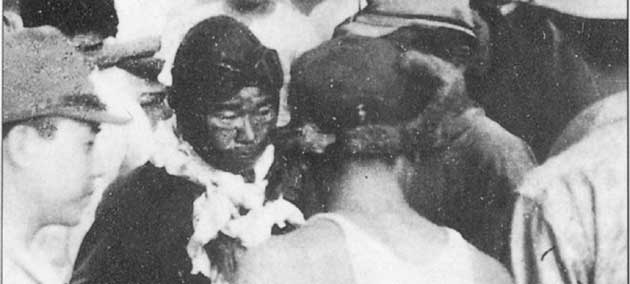
Surviving the Skies over Guadalcanal
During a night mission over Guadalcanal, Sakai’s aircraft was hit by defensive fire from enemy bombers or rear gunners, causing severe damage to the cockpit area. A bullet struck his head, passing through one eye and injuring parts of his brain, leaving him partially blinded and affecting his left side. Despite the shock, he did not lose immediate awareness. Training and instinct kept him focused on controlling the fighter, even as his condition worsened and the aircraft remained far from base Reports from the engagement confirm the aircraft stayed airborne after initial impact briefly continued
With his vision severely impaired and one side of his body weakened, Sakai faced the difficult task of navigating back to base. Flying over vast stretches of ocean required careful attention to instruments and memory of route planning, as radio communication was unreliable in combat conditions. He relied on discipline and repeated training to maintain control of the Mitsubishi Zero, which was known for its agility but offered little protection for pilots. Every decision during the return mattered for survival The aircraft gradually stabilized despite heavy damage sustained earlier in the battle conditions aloft remained
The Long Return Flight
According to later accounts, Sakai remained conscious for several hours as he flew alone through hostile airspace, using unusual methods to stay alert. He reportedly sang to himself and shouted commands in the cockpit, forcing his mind to remain active despite pain and disorientation. This mental effort helped him avoid losing control of the aircraft during the long return flight. Such behavior reflected both training and desperation, as pilots in extreme situations often relied on self discipline to survive He was later credited with extraordinary endurance under conditions few pilots could withstand in combat history
After what seemed an impossible flight, Sakai eventually reached a friendly airfield where ground crews rushed to assist him upon landing. His aircraft was badly damaged, yet still intact enough for a safe touchdown, which surprised many who later examined the fighter. Medical officers immediately treated his head wound, confirming the severity of his injuries and the likelihood that most pilots would not have survived such trauma in the air. Despite losing full use of one eye permanently, he survived the mission and returned to service after recovery, becoming one of the most recognized fighter pilots of the Pacific air war records confirm.