The WWII Gunner Who Lived Through a 19,000-Foot Fall in a Broken Tail
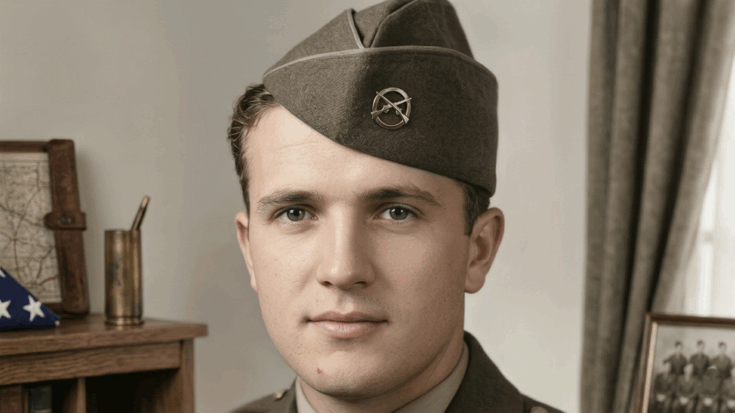
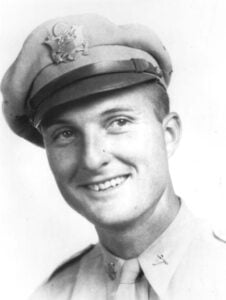
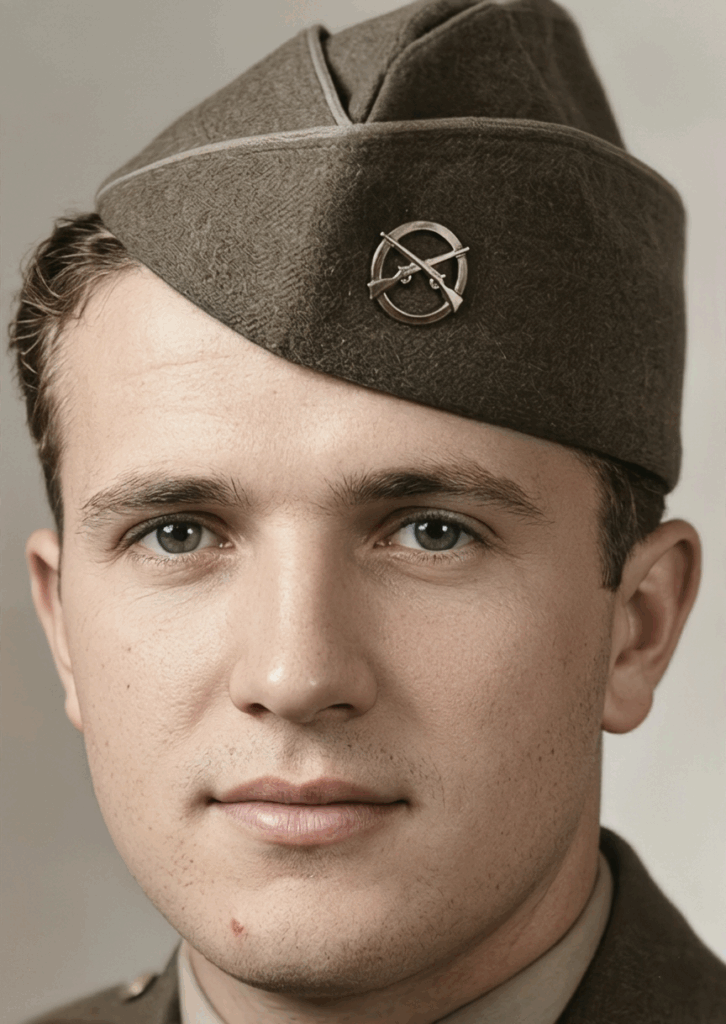
In the air war over Europe, heavy bombers often flew in tight formations where even small navigation errors could lead to disaster. One of the most unusual survival accounts involves a B-17 crewman, James Raley, who was reportedly inside the tail section of his aircraft when a mid-air collision tore the bomber apart at high altitude during a mission in 1943 or 1944, depending on later accounts. These operations were part of the wider Allied daylight bombing campaign carried out by the Eighth Air Force, where crews faced intense anti-aircraft fire and enemy interception while flying in formation with limited room for error.
Mid-Air Collision in Formation
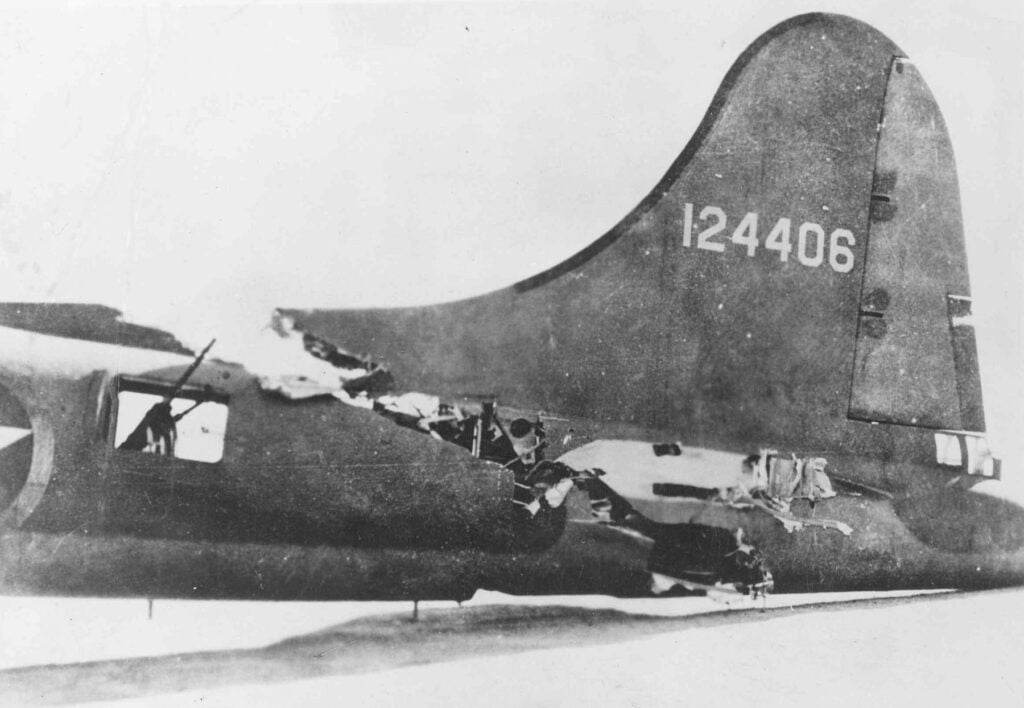
American B-17 Flying Fortress bombers were used heavily by the United States Army Air Forces during strategic bombing campaigns over German industrial regions. These aircraft flew long missions that required crews of ten men, including a dedicated tail gunner positioned at the rear of the fuselage to defend against enemy fighters approaching from behind. The B-17 was equipped with multiple machine gun positions designed to provide overlapping fields of fire, which made it one of the most heavily armed bombers of its time. On one such operation, Raley’s aircraft became involved in a mid-air collision while flying at roughly 19,000 feet. The impact was severe enough to destroy the tail section of the bomber, leaving parts of the structure detached as the aircraft began to break apart in the cold upper atmosphere. At that altitude, temperatures were far below freezing and crews relied on oxygen systems to stay conscious during combat flights.
The Fall Inside the Wreckage
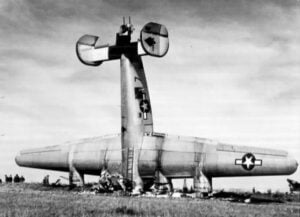
Rather than being thrown free immediately, Raley remained trapped within the damaged tail assembly as it separated from the main aircraft. The broken structure reportedly spiraled downward, carrying him inside a confined space made of metal beams, torn panels, and shifting debris. Rapid spinning and violent airflow inside the falling wreckage created extreme physical stress, leaving little room for movement or orientation. Inside this falling wreckage, conditions would have been chaotic. Air pressure changes at high altitude, combined with spinning motion and structural noise, created an environment few could survive for more than seconds. Yet accounts describe Raley staying conscious long enough to endure the descent. Hypoxia risk and sudden changes in gravitational force would normally cause immediate blackout, making his continued awareness especially unusual.
Survival After Impact
When the wreckage finally reached lower altitude, it is believed that parts of the tail section struck the ground with reduced force due to the broken spiral descent. This unlikely sequence allowed Raley to survive the crash despite being inside a detached section of the aircraft. The scattered impact likely absorbed energy across multiple points, reducing the fatal force that would normally accompany such a fall. He was later recovered by Allied forces and treated for injuries sustained during the fall. Although details vary between reports, historians agree that his survival inside a disintegrating bomber remains one of the more unusual air combat survival cases recorded in the European air war. He was likely evacuated to a field medical station for observation, where crews documented the extraordinary circumstances of his rescue and the structural failure that led to it. In later wartime analysis, such incidents were also used to better understand structural failure limits in heavy bombers and improve safety procedures for crews operating at extreme altitude during combat missions His case was later referenced in training discussions as an example of rare survivability under catastrophic damage conditions recorded within Eighth Air Force archives documentation records.