US WWII Soldiers HATED These 5 Pieces of Gear
YouTube / World War Wisdom
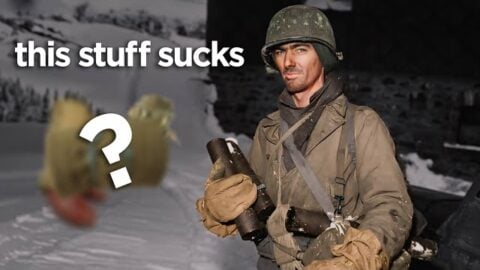
War is often remembered through weapons, victories, and heroic stories, but for the average American soldier in World War II, daily life was shaped just as much by the gear they carried. While some equipment saved lives, other items became constant sources of frustration. Poor design, discomfort, and impractical features could turn even simple tasks into a struggle. From soggy clothing to awkward field equipment, these were the items many U.S. troops wished they could leave behind.
5. Sleeping Bags
Sleeping bags might sound like a comfort, but many World War II versions were far from ideal. Early-issue bags were bulky, heavy, and difficult to carry along with the rest of a soldier’s gear.
In wet or cold environments, they often absorbed moisture and became damp, reducing their ability to keep soldiers warm. Once soaked, they were slow to dry, which made nights miserable in rainy regions like Western Europe or the Pacific. Instead of providing rest, they sometimes added to exhaustion.
4. Gas Masks
Gas masks were issued out of fear that chemical warfare would return to the battlefield, as it had in World War I. While necessary as a precaution, they were rarely used in combat during WWII. Despite that, soldiers were required to carry them almost everywhere early in the war.
The mask and its carrier bag were bulky and got in the way, especially during movement or combat. Many troops found them uncomfortable and restrictive, and as the threat of gas attacks faded, soldiers often discarded them whenever possible.
3. Wool Shirts
Wool shirts were standard issue because of their durability and ability to retain warmth even when wet. However, they came with serious downsides. In hot climates, such as North Africa or the Pacific, wool was unbearably warm and caused heavy sweating.
The fabric could also feel itchy and irritating after long periods of wear. Once soaked with sweat or rain, the shirts became heavy and uncomfortable, making already harsh conditions even worse for troops in the field.
2. M41 Jacket
The M1941 Field Jacket, commonly known as the M41 jacket, was intended to be a versatile combat jacket. In reality, it struggled to perform in extreme conditions. It offered limited protection against cold weather and was not waterproof, leaving soldiers exposed in rain and winter environments.
The thin lining meant troops often had to layer heavily underneath, reducing mobility. While it looked sharp and became iconic, many soldiers found it inadequate for the realities of combat.
1. Leggings
Leggings, officially known as canvas gaiters, were worn over boots and lower pants to provide support and keep debris out. In practice, they were one of the most disliked pieces of gear. They were time-consuming to put on, requiring careful lacing, and could become uncomfortable during long marches.
When wet, they took a long time to dry and could cause chafing. Mud and dirt easily built up on them, adding weight and discomfort. Many soldiers preferred simpler and more practical alternatives as soon as they became available. These pieces of equipment highlight a lesser-known side of the war. Beyond the battles themselves, the everyday experience of soldiers was often shaped by the small, frustrating details of the gear they had to rely on.