The True WWII Story of James Howard: The American Pilot Who Became a One-Man Air Force
Setting the Stage in Early 1944
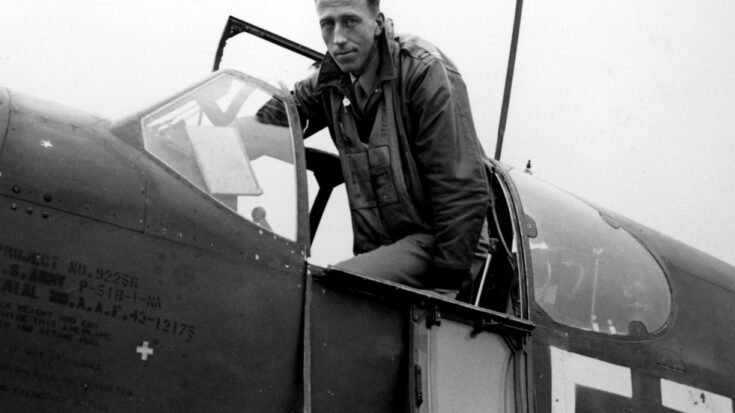
In early 1944 the Allied air war over Europe was intensifying. American bombers flew deeper into German‑held territory, and protecting them became a major challenge. Long‑range escort fighters were limited at first, and German pilots waited for unescorted bombers to attack. The introduction of the P‑51 Mustang changed this dynamic, giving long‑range fighters the ability to accompany bomber formations all the way to and from their targets.
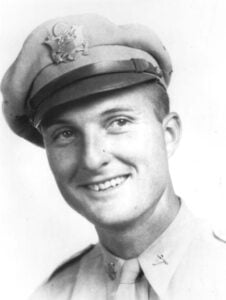
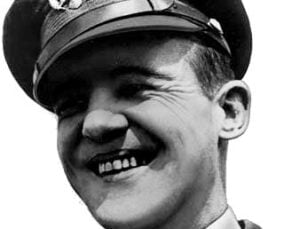
One of the first American pilots to fly the P‑51 into battle was James H. Howard. Born in China to American parents, he returned to the United States as a teenager and later joined the American Volunteer Group, the Flying Tigers, serving in China early in the war. There he became an ace before illness forced him home, but his combat experience shaped his later service in Europe with the Army Air Forces.

The Escort Mission Over Germany
Assigned to lead the 354th Fighter Group, Colonel Howard flew the P‑51 Mustang on bomber escort missions over Germany. On January 11, 1944, he was flying with a large formation of B‑17 Flying Fortresses returning from a deep strike when German fighters attacked. The bombers, having dropped their loads, were vulnerable and spread out, making them easy targets without close escort.
Howard and his group moved to defend the bombers. Almost immediately he scored his first kill of the day by shooting down a German fighter approaching the formation. In the chaos of battle, he then chased and destroyed other enemy fighters, helping disrupt attacks on the bombers that had been hit by flak or enemy fire.
A Fight Alone With Many Enemies
At one point Howard found himself separated from his wingmen and alone with a smaller group of B‑17s. He could have rejoined his unit, but instead he chose to stay with the bombers under attack. For more than half an hour he fought multiple German fighters, defending the formation without support. He shot down additional enemy aircraft and at times used feints to force enemy planes away when he ran out of ammunition.
His actions kept the bombers safe long enough for them to continue home. The crews of the B‑17s later described what they had seen: a lone P‑51 fighting wave after wave of enemy aircraft with no thought of his own safety. Eight Air Force headquarters collected multiple accounts of the event, and they soon identified Howard as the pilot involved.
Recognition and Later Life
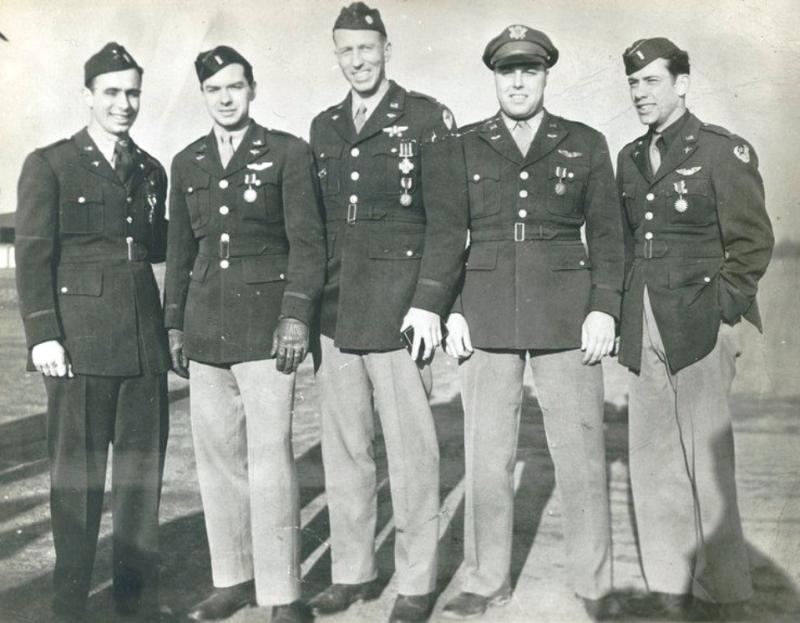
Colonel Howard was credited with four kills that day and recognized for extraordinary bravery. His actions became a symbol of American air power and showed how effective the P‑51 could be when flown aggressively and with purpose. The mission was widely reported back home and helped bolster confidence in Allied air strategy.
Howard went on to fly many more missions and contributed to planning close air support for the invasion of Normandy later that year. He finished the war with a total of twelve aerial victories and was awarded the Congressional Medal of Honor for his actions on January 11. After the war he continued service in the Air Force Reserve, retiring in 1966 as a brigadier general. He passed away in 1995 at the age of eighty‑one, remembered as one of America’s most skilled and courageous fighter pilots of World War II.