The Worst Possible Way To Lose a B-17 Bomber
YouTube / TJ3 History
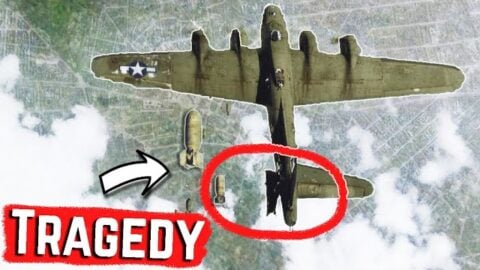
War is full of danger, but sometimes the greatest threats come from the least expected places. For one American bomber crew in World War II, disaster did not come from enemy fighters or anti-aircraft fire- it came from a fellow B-17 Flying Fortress. This is the tragic story of the B 17 bomber Miss Donna Mae, lost in one of the most unfortunate friendly incidents of the war.
A Routine Mission Turns Dangerous
During the height of the Allied bombing campaign over Europe, formations of B-17 bombers would fly in tight groups for protection. This formation flying allowed their defensive guns to overlap, creating a deadly shield against German interceptors. However, it also required extreme precision and discipline from every pilot.
On one particular mission, Miss Donna Mae took her place among dozens of bombers heading toward enemy territory. Conditions were tense but familiar; crews had trained for this, and many had already flown multiple missions. Still, the risks were always present, especially when flying so close to other heavy aircraft in unpredictable combat conditions.
Chaos in the Skies
As the formation approached its target, enemy resistance intensified. German fighters and anti-aircraft fire forced the bomber group to take evasive action. In the confusion, formations could break apart, and aircraft might drift dangerously close to one another.
Amid this chaos, another B-17 maneuvered abruptly, whether to avoid flak, enemy fighters, or due to pilot error remains unclear. In a split second, the aircraft collided with Miss Donna Mae. The massive bombers, each weighing over 30 tons when loaded, had no chance of avoiding catastrophic damage once contact was made.
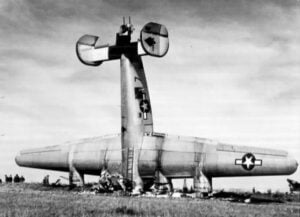
The collision was devastating. One of the bombers struck Miss Donna Mae with tremendous force, tearing through its structure. Wings were damaged, engines failed, and control was quickly lost. Unlike damage from enemy fire, which crews were trained to manage, a mid-air collision left little room for recovery.
No Enemy Required
What makes the loss of Miss Donna Mae particularly tragic is that it was not brought down by the enemy at all. Instead, it was destroyed by one of its own, a friendly aircraft flying in the same formation.
Mid-air collisions were rare but not unheard of during World War II. The sheer number of aircraft operating in tight formations, combined with stress, weather, and combat conditions, made such accidents a constant risk. Pilots had to maintain precise spacing while also staying alert for threats around them, a nearly impossible balancing act under fire.
For the crew of Miss Donna Mae, there was little warning and even less time to react. Some crew members may have attempted to bail out, but at such low altitude or with the aircraft breaking apart, survival chances were slim.
A Sobering Reminder of War’s Reality
The story of Miss Donna Mae highlights a harsh truth about aerial warfare: not all losses come from the enemy. Even the most well-trained crews and advanced aircraft could fall victim to the dangers of formation flying and the chaos of combat.
It also underscores the immense courage of bomber crews who flew mission after mission, knowing that danger surrounded them from all sides, including, at times, their own allies. In the end, the loss of Miss Donna Mae stands as one of the most unfortunate ways to lose a B-17 bomber, a stark reminder that in war, tragedy can come from anywhere, even from those flying beside you.