U.S. KC-135 Refueling Plane Crashes in Iraq During Iran Operation; Rescue Efforts Underway
WION / YouTube
Incident During Military Operation
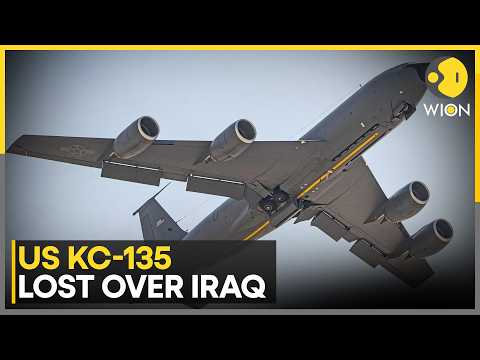
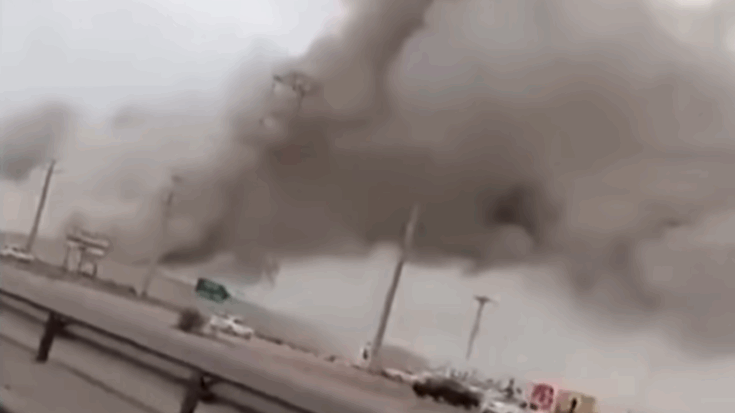
A U.S. Air Force KC-135 refueling aircraft crashed in western Iraq on March 12, 2026, during a mission linked to Operation Epic Fury, a campaign targeting Iran. U.S. Central Command confirmed the loss of the aircraft and stated that the incident happened in friendly airspace. Officials also stressed that the crash was not caused by enemy fire or friendly fire, and an investigation has been opened to determine what happened.
Two refueling aircraft were involved in the mission. One KC-135 went down during the operation, while the second tanker landed safely at Ben Gurion International Airport in Tel Aviv. Military officials said both aircraft were supporting air operations tied to the campaign in the region when the incident occurred.
Reports later confirmed that six crew members were on board the downed aircraft. U.S. officials said all six airmen died in the crash. Their names were not immediately released while authorities worked to notify family members.
The aircraft involved was a KC-135R Stratotanker, a large refueling plane that allows fighter jets and other aircraft to stay in the air longer during missions. These tankers often operate behind the scenes but are essential to maintaining air operations during extended conflicts.
Rescue Efforts and Early Response
When the crash was first reported, the military launched rescue and recovery efforts in the area. Central Command released a statement explaining the situation and asking for patience while information was gathered.
“The incident occurred in friendly airspace during Operation Epic Fury, and rescue efforts are ongoing,” the military said in an early update.
Officials added that more details would be released once investigators had a clearer picture of the event. “More information will be made available as the situation develops. We ask for continued patience to gather additional details and provide clarity for the families of service members.”
The mission had involved two aircraft working together, a common arrangement during aerial refueling operations. While one tanker was lost, the second plane managed to land safely after the incident.
Air refueling is one of the most demanding tasks in aviation. The tanker must fly in steady formation while another aircraft connects to a refueling boom that transfers fuel during flight. Even small changes in speed, wind, or position can make the process difficult and require precise coordination from both crews.
Aircraft History and Strategic Role
The KC-135 Stratotanker has been a core part of American air operations for decades. Developed by Boeing in the 1950s, the aircraft first flew in 1956 and entered service in 1957. More than 800 units were built, and many remain in operation today.
The tanker was designed to extend the range of bomber aircraft, but over time its role expanded. It now provides refueling support to Air Force, Navy, Marine Corps, and allied aircraft during missions around the world.
In addition to fuel transfer, the KC-135 can carry cargo and medical equipment. Some aircraft have also been adapted for surveillance or testing roles. This flexibility has helped keep the plane in service for more than sixty years.
Military planners continue to rely on aerial refueling to support operations far from home bases. Without tankers, many fighter jets would have limited range and shorter time in the air.
Losses During the Campaign
The crash also occurred during a period of heavy activity in the region. The campaign linked to Operation Epic Fury has involved a large number of aircraft supporting operations against Iran.
Earlier incidents during the conflict included the accidental loss of several fighter jets due to air defense mistakes in the region. In those cases, crews were able to eject safely and were later recovered.
According to Pentagon figures reported during the conflict, several U.S. service members have been killed and more than one hundred forty injured since operations began. Some deaths occurred in drone strikes against military facilities used to support regional missions.
Military leaders have acknowledged that the ongoing campaign carries risk for crews operating across the Middle East. Air operations often take place at long distances, during nighttime flights, and in crowded airspace where many aircraft are active at once.