What Life on a U-Boat Was Like
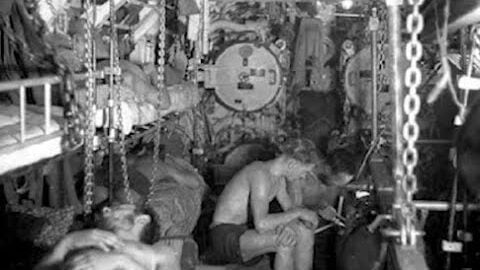
YouTube / What Life on a U-Boat Was Like
Life aboard a German U-boat during World War II was unlike anything most sailors had ever experienced. These submarines were essentially long, narrow steel tubes packed with machinery, weapons, and men. Space was extremely limited, and every inch had a purpose.
Crew members often had to squeeze past each other sideways, and there was no privacy. Personal belongings were kept to a minimum, usually just what could fit into a small locker or bag. The constant hum of engines and machinery created a tense, claustrophobic atmosphere that never truly went away.
Sleeping and Living Conditions
Sleeping arrangements were one of the most uncomfortable aspects of life on a U-boat. There were not enough bunks for every crew member, so “hot bunking” was common. This meant sailors shared beds in shifts- when one man got up, another took his place.
Beds were often located near torpedoes, meaning some sailors literally slept beside deadly weapons. The air inside the submarine quickly became stale, filled with diesel fumes, sweat, and the smell of food. Fresh air was available only when the submarine surfaced, a situation that became increasingly dangerous as the war progressed.
Food and Supplies
At the start of a patrol, food was plentiful and sometimes even luxurious by wartime standards. Fresh bread, sausages, and fruits were crammed into every available space, even hanging from the ceiling. However, as the mission continued, fresh supplies ran out quickly.
The crew then relied on canned and preserved foods, which became repetitive and unappetizing over time. Water was strictly rationed, so bathing was rare or nonexistent. Maintaining hygiene was a constant struggle, adding to the discomfort of daily life.
Constant Danger Below the Surface
U-boat crews lived with the constant threat of detection and attack. Enemy ships and aircraft used sonar and depth charges to hunt submarines, turning the ocean into a deadly battlefield.
When a U-boat was under attack, the crew endured hours of tense silence as explosions rocked the vessel. Lights might flicker, hulls creaked under pressure, and any mistake could be fatal. The deeper the submarine dove, the greater the risk of structural failure from the immense water pressure.
Life Inside a Steel Tube
Despite the hardships, strong bonds often formed among crew members. Living in such close quarters and facing danger together created a sense of brotherhood. However, the psychological strain was immense.
Long patrols, isolation from the outside world, and the constant fear of death weighed heavily on sailors. Many relied on routine, discipline, and camaraderie to cope. For those aboard a U-boat, survival depended not just on skill and technology, but also on resilience and trust in one another.