

Watch How the WWII B-17 “Swamp Ghost” Was Rediscovered After Decades
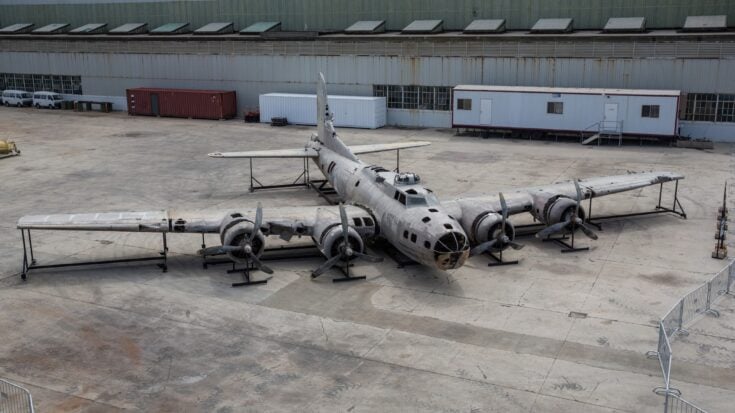
Pacific Aviation Museum, CC BY 2.0, via Wikimedia Commons
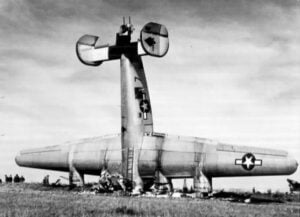
In the early months of 1942, the United States Army Air Forces began flying heavy bombers into the Pacific theater to challenge Japanese positions. Among these was a Boeing B-17E Flying Fortress that would later become world famous under a very unusual name. On February 23, 1942, this bomber crash-landed in a remote swamp in Papua New Guinea, and it remained largely untouched for decades before being rediscovered.
A Heavy Bomber on a Dangerous Mission
The aircraft, serial number 41-2446, took part in one of the first heavy bomber raids against Japanese shipping in Rabaul harbor, New Britain. On that mission, the bomber was hit by anti-aircraft fire and began leaking fuel. With the mountainous terrain of New Guinea ahead and fuel running low, the pilot chose to put the aircraft down in the Agaiambo Swamp, a wide wetland near the island’s northern coast. The bomber settled into mud and kunai grass and was left there, as the crew survived and walked out of the swamp after several days of hardship.
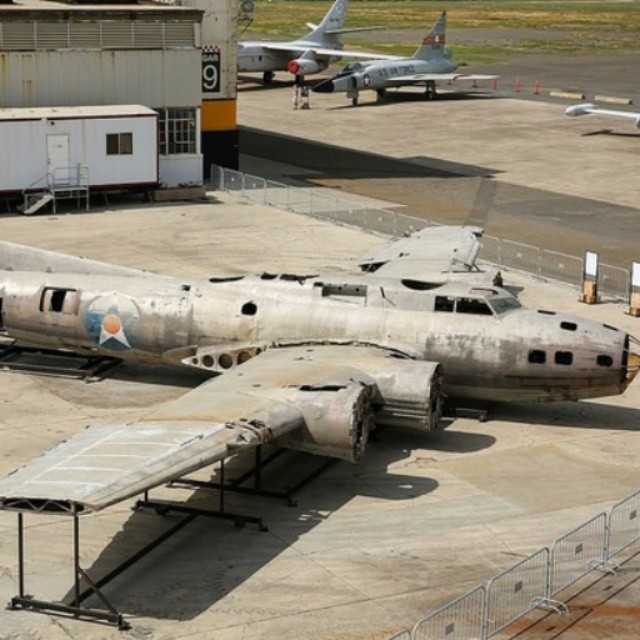
Lost and Then Found
For more than 30 years the bomber sat hidden in the swamp, all but forgotten by most. That changed in 1972 when a Royal Australian Air Force helicopter spotted the large aircraft during a training flight. Its size and shape stood out against the marsh, and investigators soon confirmed it was the long-lost B-17. Because it seemed to emerge from the swamp like a specter, those who saw it called it the “Swamp Ghost.”
Recovering a Relic of War
Interest in the wreck grew over the years, and in 2006 a salvage effort began to remove the aircraft from its swamp grave. Workers disassembled the bomber in place and lifted it out piece by piece with helicopters. After years of legal and logistical challenges, the fuselage was shipped to the United States and eventually brought to the Pacific Aviation Museum in Pearl Harbor, Hawaii.
A Piece of History on Display
Today the “Swamp Ghost” sits in Hangar 79 on Ford Island, where it is being preserved and restored. The aircraft still shows the marks of its wartime service, and parts recovered from the crash site are displayed alongside it. As one of the few surviving B-17Es, it offers a rare window into the air war in the Pacific and the efforts to record and share that history with new generations.


.jpg)