When a B-17 Raid Went Wrong
YouTube / Yarnhub
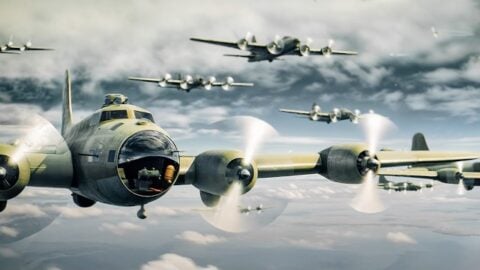
On April 5, 1943, a formation of American bombers set out on what was intended to be a precise and strategic strike. Seventy-nine B-17 Flying Fortress aircraft departed on a mission to attack a German-controlled aircraft repair facility in Antwerp. The target was vital to the German war effort, and its destruction would help weaken enemy air power. However, despite careful planning and clear weather conditions, the mission would soon go tragically wrong, resulting in one of the more controversial bombing incidents of the war.
The Mission Plan
The large formation of bombers was meant to concentrate their payload on a single industrial site. In theory, this would maximize damage to military infrastructure while minimizing civilian casualties. Crews were trained extensively for these missions, and confidence in both the aircraft and the strategy was high.
Heavy Resistance in the Skies
The tight bomber formations, essential for both defense and bombing accuracy, may have been disrupted under the pressure. Pilots had to take evasive action to avoid flak bursts and attacking fighters, making it difficult to maintain proper alignment. Communication between aircraft was limited, adding to the confusion as the situation deteriorated.
The Bombing Error
This tragic outcome highlighted the limitations of so-called “precision” bombing during World War II. Even with advanced equipment for the time, factors such as enemy resistance, human error, and the stress of combat made accuracy far from guaranteed. What was meant to be a strategic strike became a humanitarian disaster.
Aftermath and Consequences
While the strategic bombing campaign continued throughout the war, incidents like the Antwerp raid raised ethical questions about the cost of such operations. Military planners were forced to reconsider tactics and acknowledge that even well-planned missions could have unintended and tragic consequences.