

Why a U.S. Post-WWII Pilot Risked Court-Martial to Drop Chocolate Over Berlin
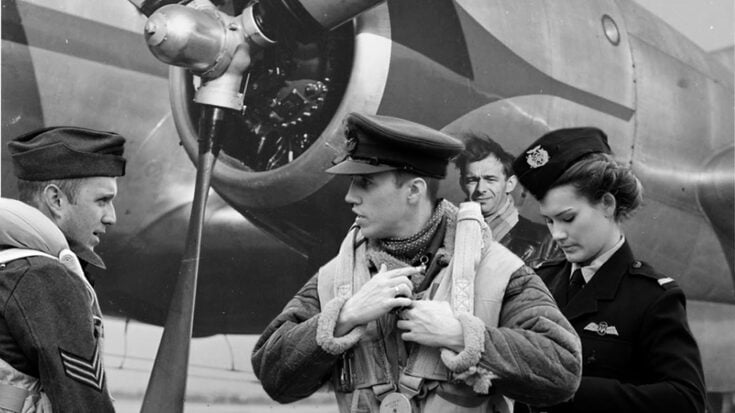
jan saudek, Public domain, via Wikimedia Commons
In the tense years after the Second World War, Berlin became the center of a new kind of conflict. The city, divided among Allied powers, stood deep within territory controlled by the Soviet Union. In June 1948, Soviet leader Joseph Stalin ordered all land routes into West Berlin closed, cutting off food, fuel, and essential supplies for more than two million civilians. The goal was simple: force the Western Allies to abandon the city or push its residents into dependence on Soviet control.
Rather than withdraw, the United States and Britain responded with a massive air supply effort. Known as the Berlin Airlift, this operation relied on constant flights delivering coal, flour, medicine, and other necessities. Cargo planes such as the Douglas C-54 flew day and night into Berlin’s airports, landing at carefully timed intervals. It was a demanding system that kept the city alive, though just barely.
A Pilot’s Unexpected Idea
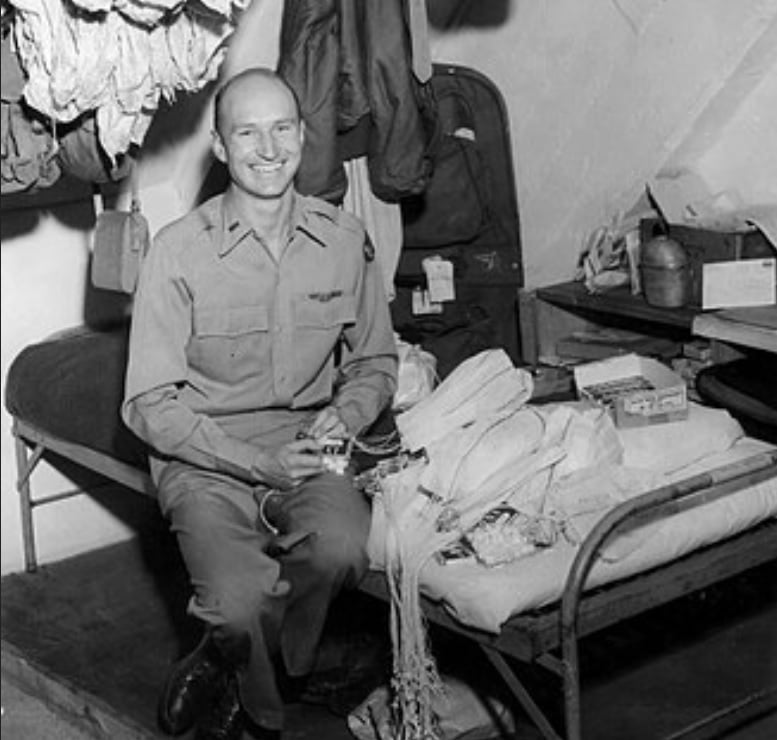
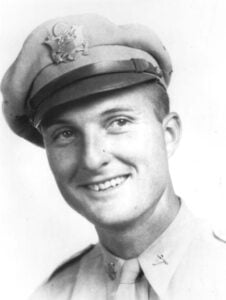
Among the many pilots assigned to these flights was Gail Halvorsen, a young American officer with a background in transport aviation. He was not a senior commander or planner, but one of many tasked with flying supplies into the isolated city. During a walk near Tempelhof Airport, he encountered a group of German children standing quietly behind a fence. They did not beg for food. Instead, they asked questions about the aircraft and the mission.
One remark stayed with him. A child explained that even if food became scarce, losing freedom would be worse. Moved by their calm attitude, Halvorsen searched his pockets and found only two sticks of chewing gum. He divided them among the children, who carefully shared even the wrappers so others could enjoy the scent.
That small moment led to an unusual promise. Halvorsen told the children he would drop candy from his plane on his next flight. To help them recognize him, he said he would rock his wings as he approached the airport. Using handkerchiefs and string, he created simple parachutes and attached small bundles of sweets. Without formal approval, he released them over the city during landing approaches.
From Personal Gesture to Public Effort
What began as a private act quickly grew. Other airmen heard about the idea and contributed their own rations. Soon, letters from Berlin’s children arrived, addressed to the “pilot who wiggles his wings.” A local newspaper reported the story, and it spread beyond Germany. Instead of punishment, Halvorsen received support from his superiors, including airlift commander William Tunner, who recognized its broader impact.
The effort became known as Operation Little Vittles. Civilian groups in the United States joined in, sending large amounts of candy and materials for parachutes. Schoolchildren helped assemble the bundles, while companies donated chocolate and sweets. By early 1949, multiple crews were participating, dropping thousands of small packages across West Berlin.
A Different Kind of Impact
By the time the Berlin Airlift ended in May 1949, aircraft had delivered millions of tons of supplies to sustain the city. Alongside this massive logistical effort, the candy drops provided something less measurable but equally important. They offered a sign of goodwill during a time of hardship and uncertainty.
The operation also drew attention beyond Berlin. Soviet officials formally protested the candy drops, viewing them as a form of influence rather than simple charity. Historians later debated whether the effort was purely humanitarian or also served political aims. In practice, it reflected both a personal act of kindness and a broader contest for public support during the early Cold War.
Halvorsen continued his career and later returned to Berlin several times, maintaining contact with people who remembered the drops. His actions, though small in scale compared to the airlift itself, became one of its most remembered stories.

.jpg)
