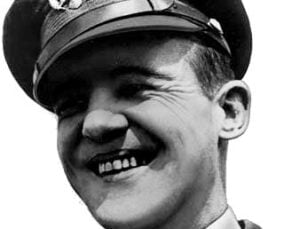
The WWII Airman Who Earned the Medal of Honor—And Was Punished the Same Week
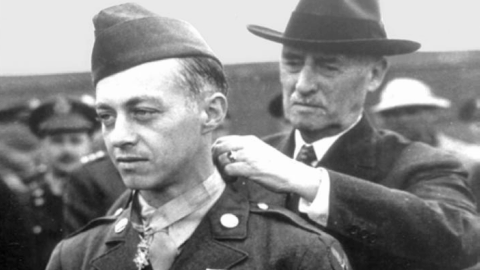
The original uploader was Cfpresley at English Wikipedia.Later versions were uploaded by Snowmanradio at en.wikipedia., Public domain, via Wikimedia Commons
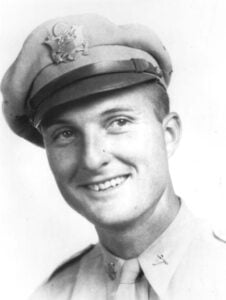
In the spring of 1943, the air war over occupied Europe placed heavy demands on American bomber crews. Missions against fortified targets along the French coast were especially dangerous, as German defenses combined anti-aircraft fire with aggressive fighter interception. Among the many airmen sent into this environment was Sergeant Maynard Harrison Smith, a man whose background and personality set him apart from most of his fellow crew members.
Smith had entered military service under unusual circumstances after facing legal trouble at home. Older than many around him and known for his difficult manner, he was not widely liked within his unit. Yet his physical build made him suitable for one of the most exposed positions on a Boeing B-17 Flying Fortress: the ball turret gunner. This cramped, rotating position beneath the aircraft required endurance, especially at high altitude where temperatures could drop far below freezing.
The Mission to Saint-Nazaire
On May 1, 1943, aircraft from the 306th Bomb Group were assigned to strike the heavily reinforced submarine pens at Saint-Nazaire. These structures, built with thick concrete and steel, were designed to resist bombing and protect German U-boats operating in the Atlantic. Despite repeated Allied attacks, the base remained a major threat to shipping.
As the formation approached the target, it encountered intense resistance. Anti-aircraft fire burst around the bombers while German fighters moved in to intercept. Smith’s aircraft was hit multiple times, suffering serious damage. Fuel tanks were punctured, and fires broke out inside the fuselage. The oxygen system failed, and control cables were compromised, making the aircraft increasingly difficult to manage.
Fire, Injury, and Survival
The situation quickly became critical. Several crew members were wounded, and three chose to abandon the aircraft by parachute. Smith, however, did not leave. Instead, he climbed out of his turret and moved through the damaged bomber to assist the injured. He found the tail gunner in serious condition and provided first aid while the aircraft remained under threat.
At the same time, flames continued to spread through key sections of the plane. Using available fire extinguishers, Smith worked to contain the fire, moving through smoke and heat while the aircraft remained in flight. He also took control of defensive guns when needed, helping to keep attacking fighters at a distance. His actions were carried out over an extended period as the crew struggled to keep the aircraft airborne.
A Fragile Return to England
With the aircraft heavily damaged, the pilot turned toward England, aiming for the nearest available airfield rather than attempting a longer return to base. The bomber’s structure had been weakened by thousands of impacts, and maintaining control was increasingly difficult. Smith continued to assist where possible, even discarding equipment to reduce weight.
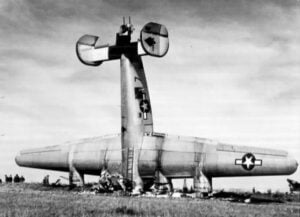
The aircraft eventually reached an airfield in Cornwall, where it made a forced landing. Upon touching down, the weakened fuselage broke apart under its own weight. Despite this, several crew members survived due in part to Smith’s efforts during the flight.
Recognition and Legacy
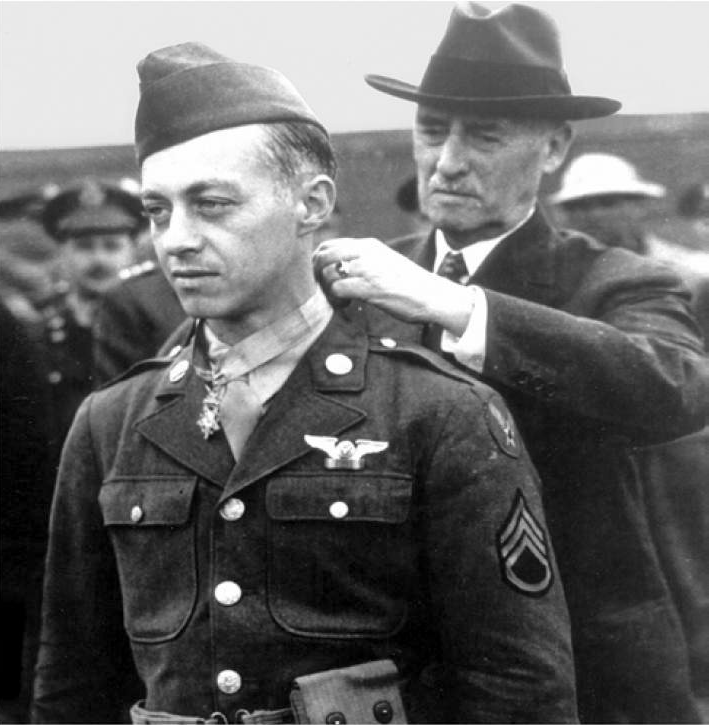
Smith’s actions were later detailed in official reports and eyewitness accounts. For his conduct during the mission, he was awarded the Medal of Honor in July 1943. The citation noted his role in fighting the fire, aiding wounded crew members, and defending the aircraft under extreme conditions.
Though often remembered for his difficult personality, Smith’s conduct during that mission reflected a level of determination that went beyond routine duty.