

Why the Navy Rejected the Corsair and How the Black Sheep Made It Feared in the Pacific
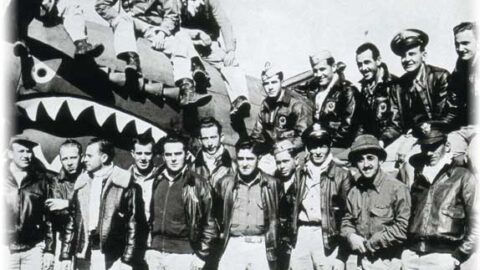
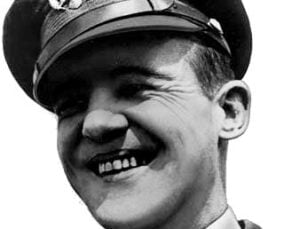
US government employee, Public domain, via Wikimedia Commons
The Vought F4U Corsair is one of the most talked-about fighter aircraft of World War II. It later became famous in the Pacific, especially as the mount of the Black Sheep Squadron under Major Gregory “Pappy” Boyington. But the Corsair’s first steps into service were not smooth. The U.S. Navy first saw a powerful design with great promise, yet hesitated to use it from its carriers. Early problems with carrier landings led the service to limit the aircraft’s role. Only later did it earn respect in the skies over the Pacific.
A New Fighter With Big Challenges
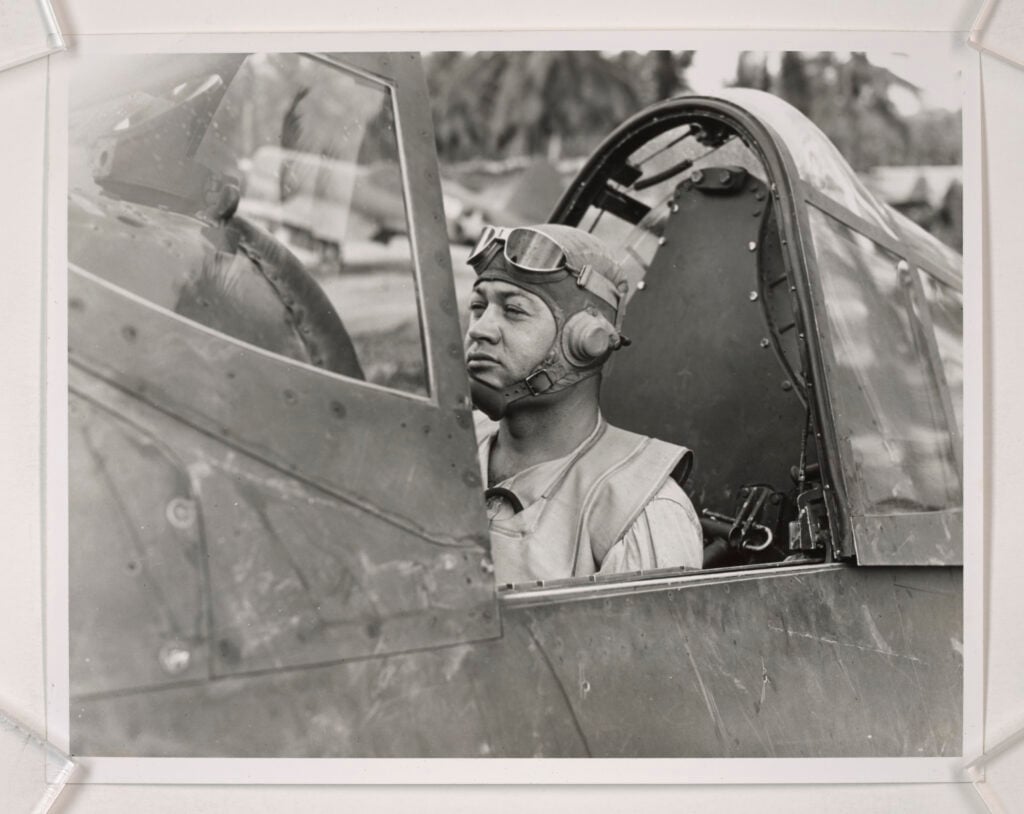
The Corsair was developed in response to a U.S. Navy requirement for a fast, long-range fighter. Chance Vought designed the aircraft around a large Pratt & Whitney radial engine, which gave it high speed and excellent climb performance. A large propeller required long landing gear and a distinctive wing shape, later known as the “gull wing,” so the blades would have enough ground clearance. This design worked well for flight speed and power, but it also created challenges. Forward visibility from the cockpit was limited by the long nose, and landings exposed weaknesses in stability and control at low speeds.
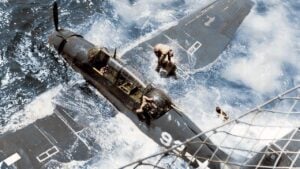
Early carrier landing tests showed that pilots could not see the deck clearly during approach, and the Corsair’s landing gear and wing behavior made it difficult to touch down safely on moving flight decks. These issues made the Navy cautious. Instead of assigning the Corsair to carrier squadrons, the service shifted most of its early aircraft to land-based Marine units. The Marines welcomed the fighter, using it from airfields in the Pacific where its range and firepower made a real difference.
The Black Sheep Take Shape
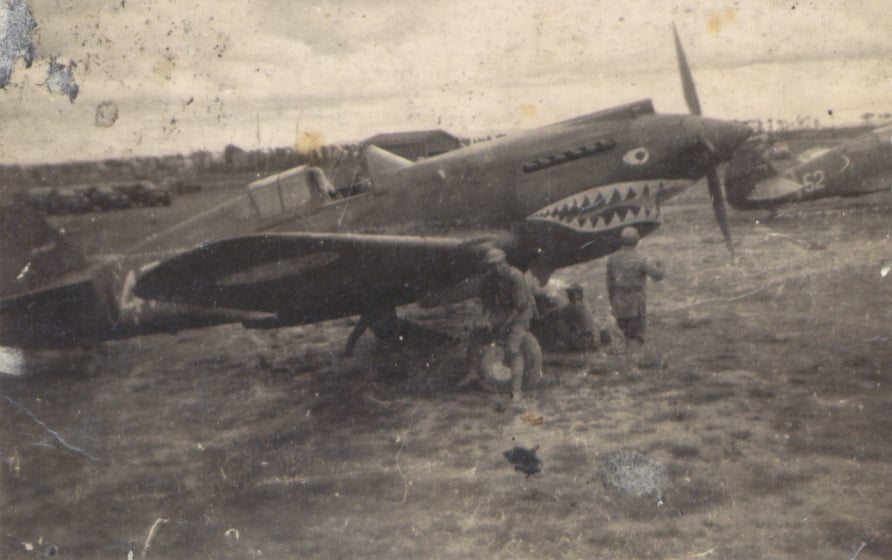
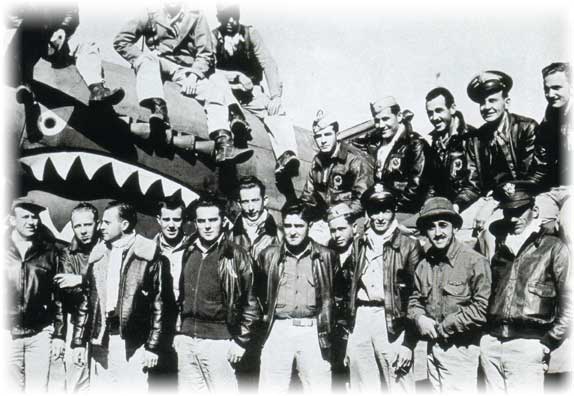
One of the Marine Corps units that flew the Corsair became legendary. Marine Fighting Squadron 214, better known as VMF-214 or the Black Sheep Squadron, was formed in mid-1942 at a field in the New Hebrides Islands. A mix of experienced and new pilots joined under Major Boyington, who had recently returned from service with the American Volunteer Group in China. Though the squadron drew pilots leftover from other units, it soon gained a reputation far beyond its humble start.
The Black Sheep had only a few weeks to prepare before heading into combat. Their first missions were flown from dirt airstrips in the Solomons against Japanese forces who also flew in large numbers. VMF-214’s pilots had to master the Corsair quickly. The aircraft’s powerful engine and heavy armament could dominate once pilots learned to use its strengths. Boyington introduced aggressive tactics that played to the Corsair’s speed and climb, teaching pilots how to attack quickly and disengage before they could be countered.
Combat Success in the Pacific
In the skies over the Solomon Islands, Black Sheep pilots pushed the Corsair to its limits. During their first combat tour, they gathered an impressive record of air-to-air victories and ground attacks. VMF-214 claimed nearly 97 confirmed enemy aircraft destroyed in 84 days. These results made the squadron one of the most effective fighter units in the Pacific. Their success also increased confidence in the Corsair’s abilities, proving it could excel with the right pilots and tactics.
Boyington himself became a well-known figure. He was credited with many aerial victories in Corsairs and earlier in China. His leadership style was blunt and demanding, pushing pilots to improve quickly. He often flew the squadron’s least reliable aircraft on missions so that his men would have better machines. Such choices built loyalty among his pilots, even if the group had started with uneven experience and limited preparation.
From Shore to Sea
Over time, improvements in landing techniques and aircraft modifications made it possible for the Corsair to operate from carriers. By late 1944 and into 1945, the U.S. Navy began deploying Corsairs aboard its carriers, recognizing the value of a fast, powerful fighter. The aircraft’s later versions also carried bombs and rockets, expanding its role to ground attack duties.
Although the Marines and Navy first separated their use of aircraft, the same plane eventually equipped both services in carrier and land-based roles. In later years the Corsair continued to serve, including in conflicts after World War II. Its early reputation as difficult to handle faded as pilots mastered its quirks and naval air operations adapted to its design.
The story of the Corsair and the Black Sheep Squadron shows how innovation, skill, and leadership worked together in the Pacific war. When given a chance to perform to its ability, this fighter became one of the most respected aircraft of its time, flown by men who learned to control its power and use it to great effect.



.jpg)
