Why the FM-2 Wildcat Removed This Cockpit Window
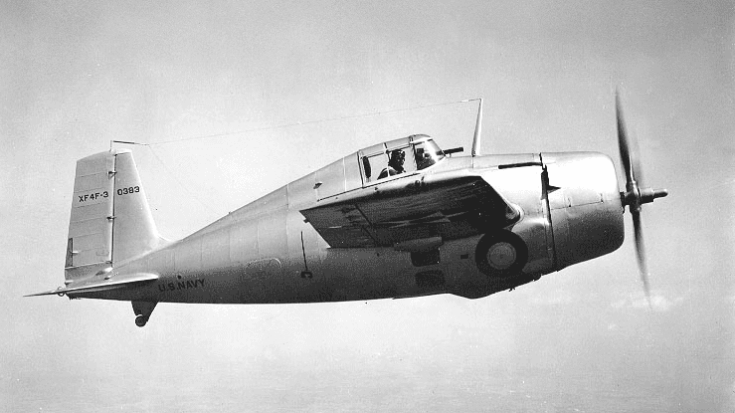
The Grumman F4F Wildcat is usually remembered for its ruggedness during the early Pacific War, but one small design feature often goes unnoticed: early variants gave pilots a direct view beneath the aircraft.
In a recent walkthrough of an General Motors FM-2 Wildcat, aviation staff revealed a small panel located near the cockpit floor rails. On the FM-2, the panel is covered with metal. Earlier Wildcat models, however, used glass panels in the same location.
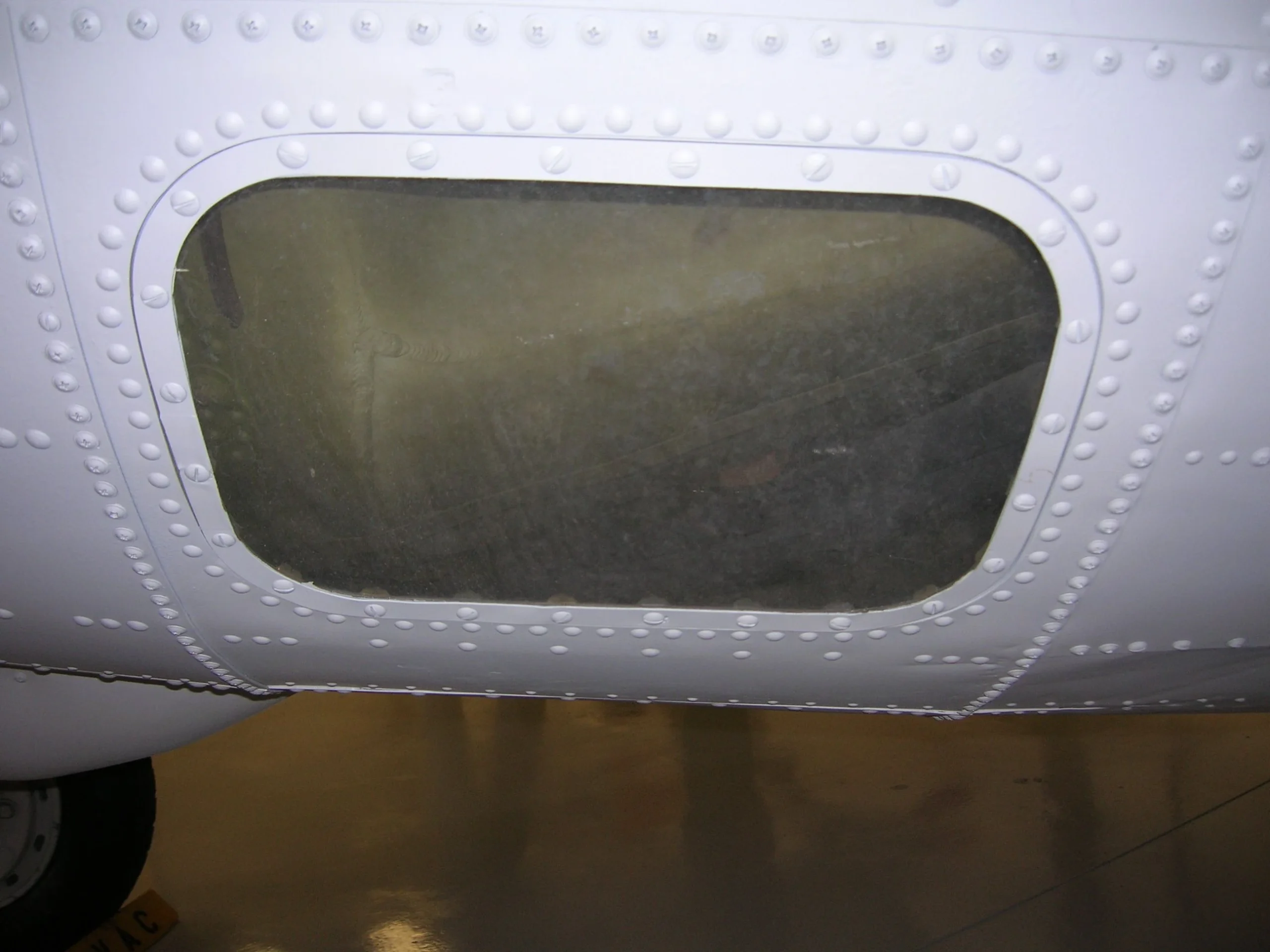
Why It Was There
The transparent panels allowed pilots limited downward visibility beneath the fuselage. Since the Wildcat cockpit lacked a traditional floor and instead used exposed structural rails, pilots could look through the lower section of the aircraft.
That visibility may have helped during carrier operations, formation flying, or spotting targets below. The exact operational value remains debated, but the feature reflected how designers tried to improve pilot awareness in an aircraft with otherwise restricted visibility.
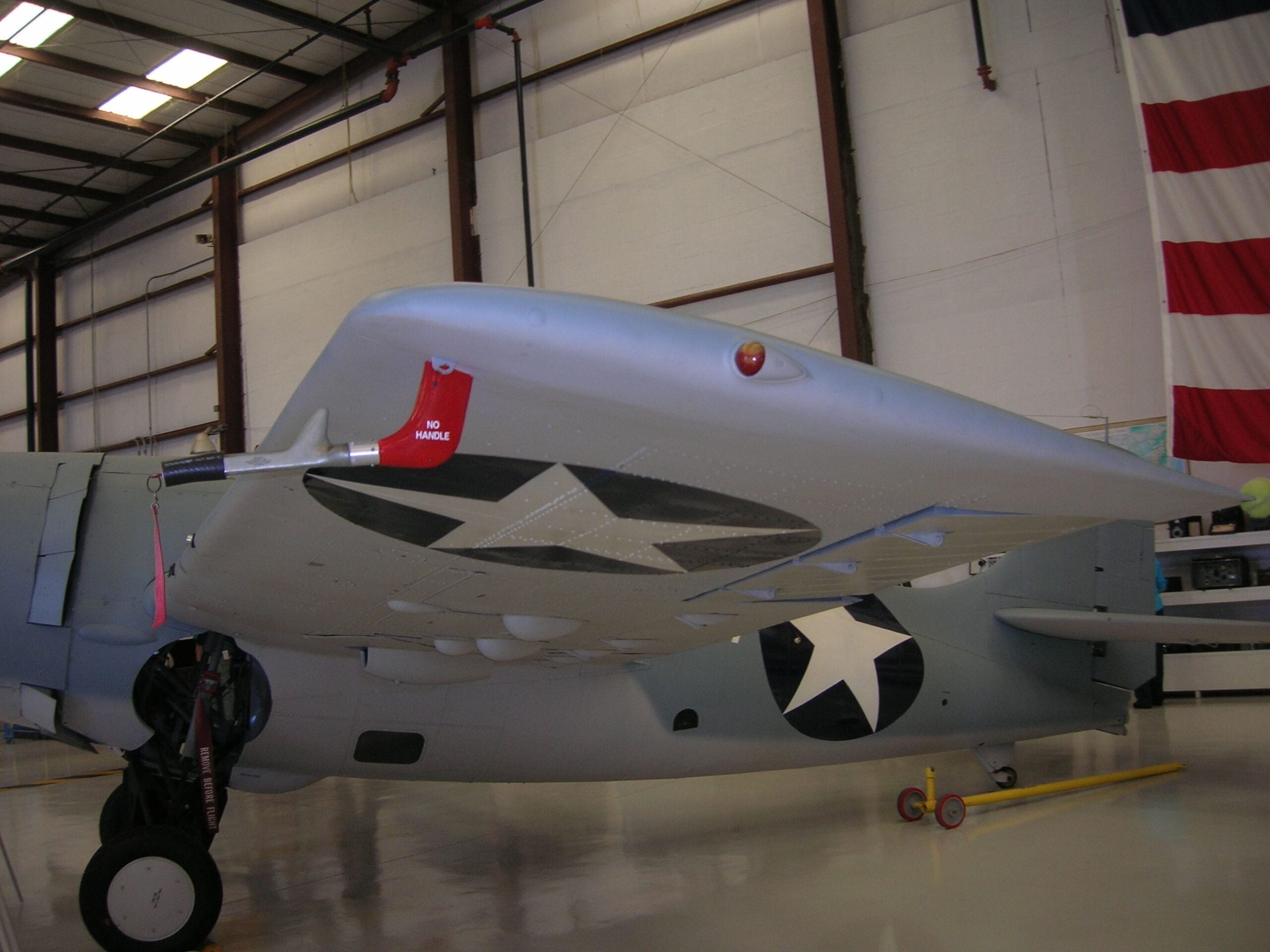
Why It Disappeared
By the time the FM-2 entered production, the Navy had removed the glass panels and replaced them with metal covers. That suggests the feature provided limited practical value in combat operations.
The change also reflected wartime production priorities. Simplifying components and removing unnecessary features saved time and reduced maintenance demands.
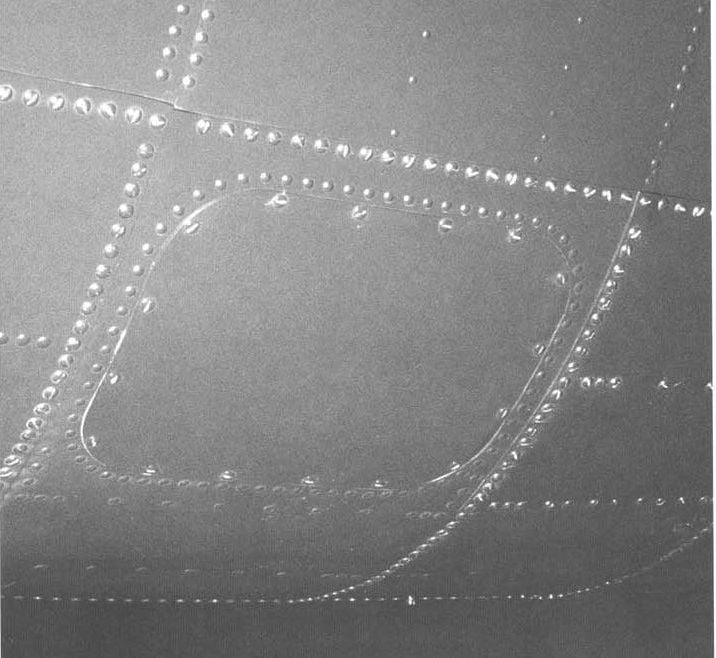
It is a small detail, but it highlights how wartime aircraft evolved quickly based on real combat experience.