The Hidden Reason the Zero’s Tail Looked Different
YouTube / Greg's Airplanes and Automobiles
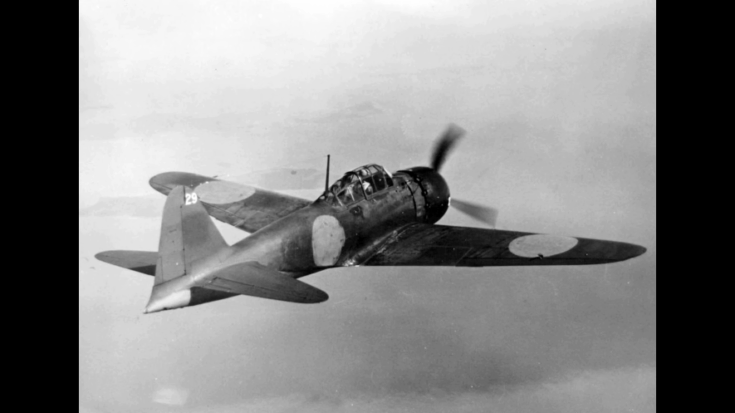
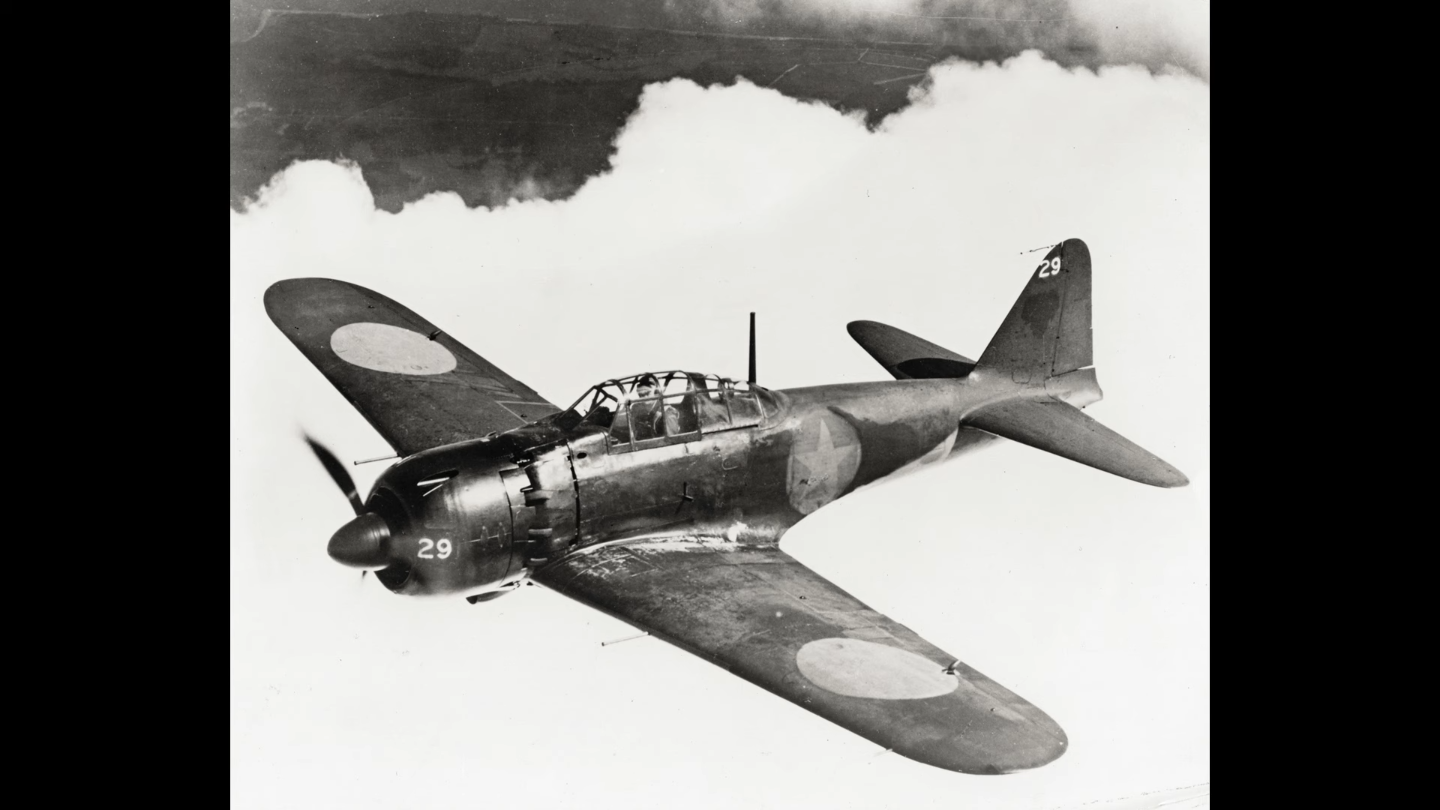
The Mitsubishi A6M Zero had one of the most recognizable silhouettes of World War II, but one design feature often goes unnoticed: its horizontal stabilizers sat noticeably farther forward than those on most contemporary fighters.
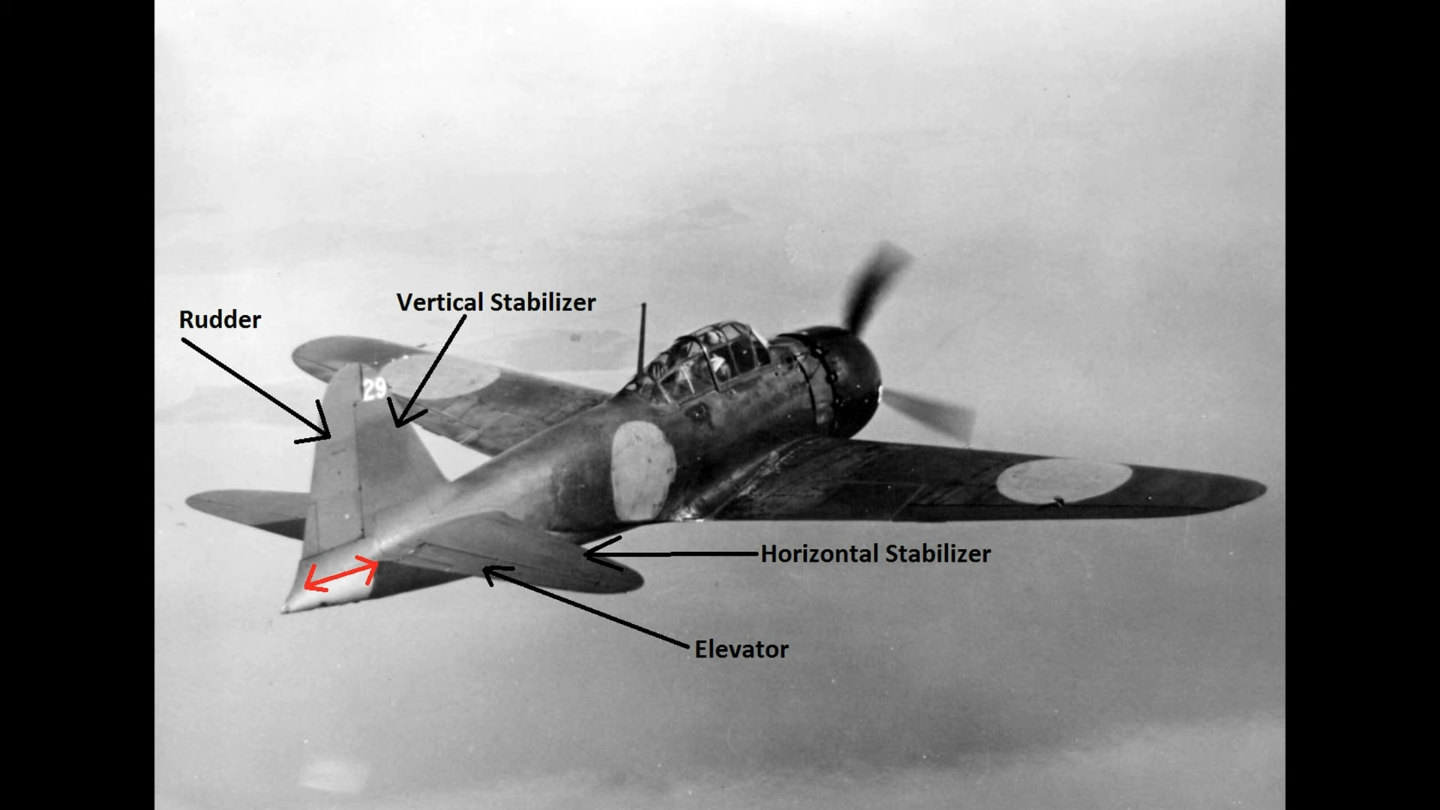
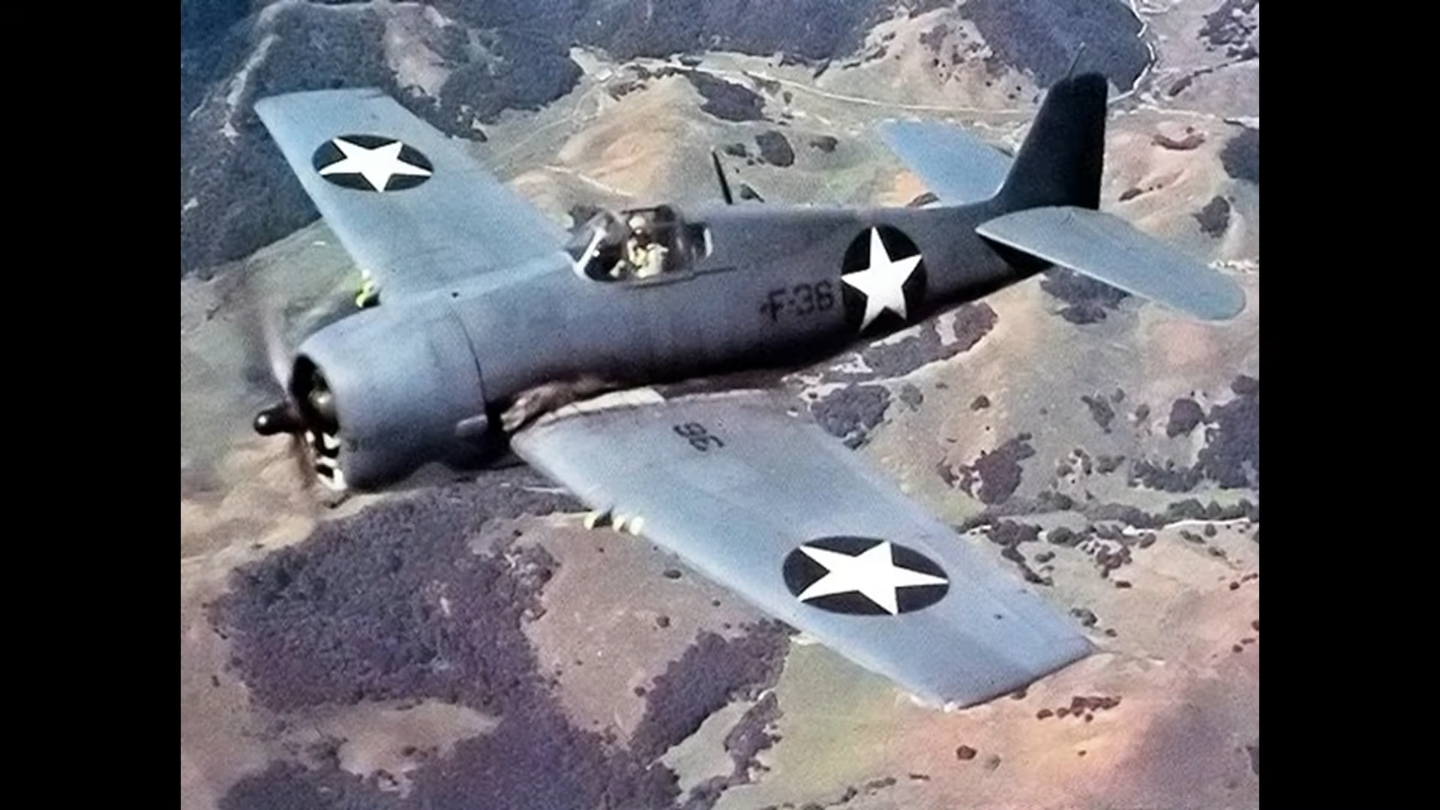
Aircraft like the Republic P-47 Thunderbolt, Grumman F6F Hellcat, Supermarine Spitfire, and Messerschmitt Bf 109 used more conventional tail layouts. Even the Zero’s close relative, the Nakajima Ki-43 Hayabusa, did not share this configuration.
Built for Extreme Maneuvering
Japanese engineers used a specialized spin tunnel to study airflow during extreme angles of attack. They found that traditional tail placement could disrupt airflow to the rudder during spins, stalls, and aggressive maneuvers.
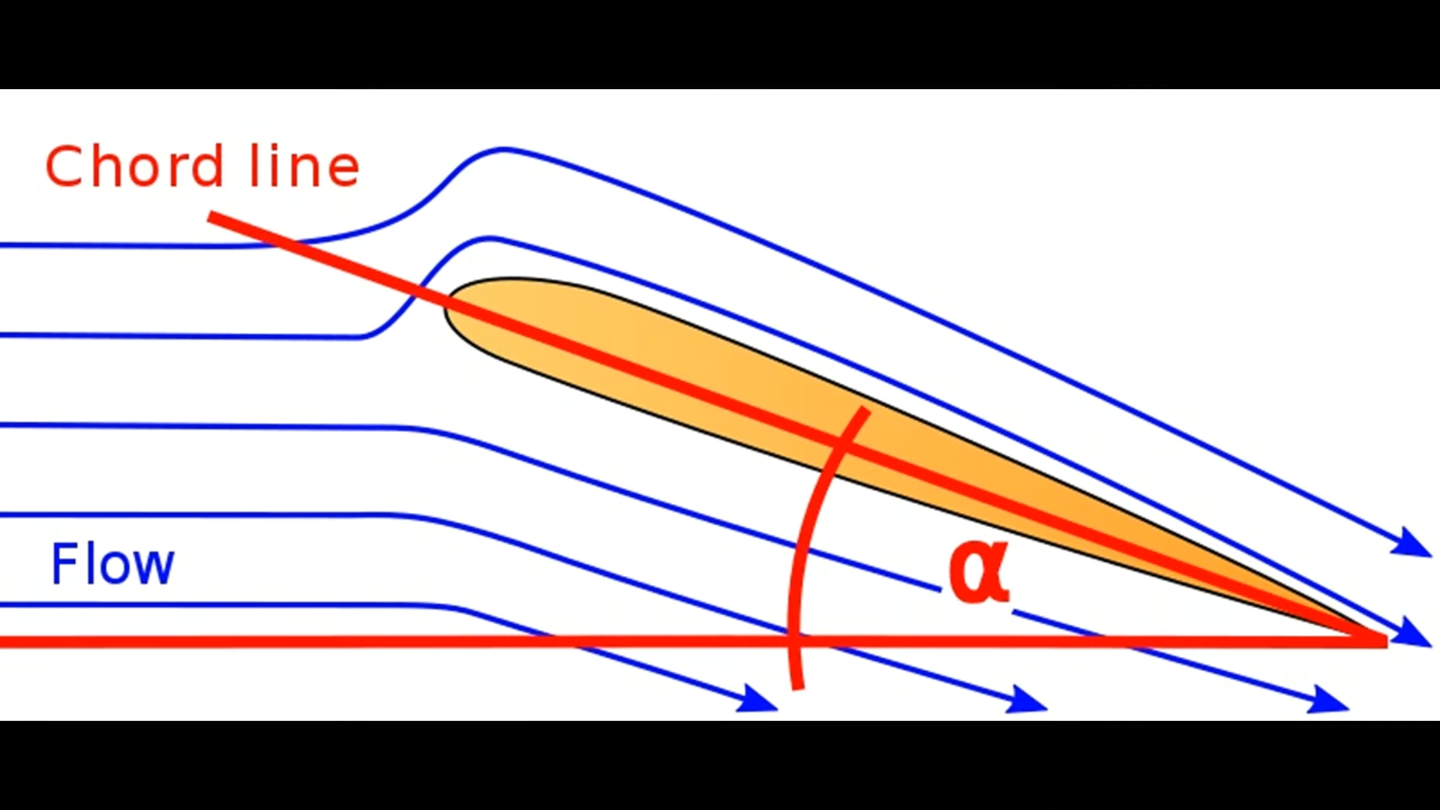
By moving the horizontal stabilizers forward, the Zero’s rudder remained in cleaner airflow during high-angle maneuvers. That gave pilots better rudder authority during snap rolls, hammerheads, and spin recovery.
A Major Early-War Advantage
This design helped make the Zero one of the most agile fighters of the early Pacific War. Combined with its light weight and large control surfaces, it excelled in turning fights.
That advantage faded once U.S. pilots adapted. Aircraft like the Grumman F6F Hellcat and Vought F4U Corsair avoided turning contests and used speed, firepower, and dive performance to counter the Zero.
The unusual tail design reflected Japan’s focus on maneuverability, a philosophy that delivered early success but proved less effective as air combat evolved.