

The Story of the Most Underrated American Battleship of World War II
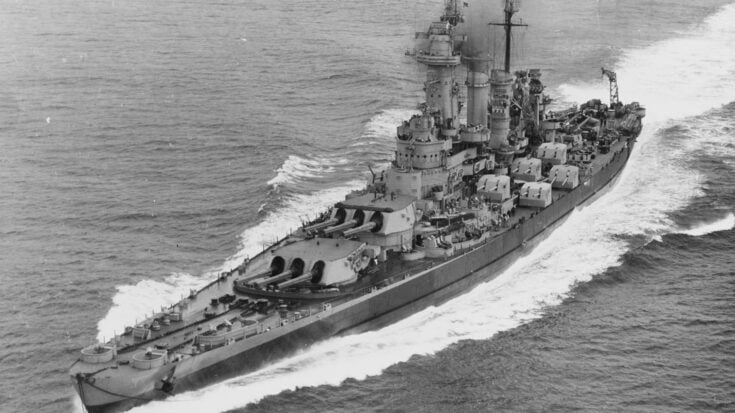
US Navy, Public domain, via Wikimedia Commons
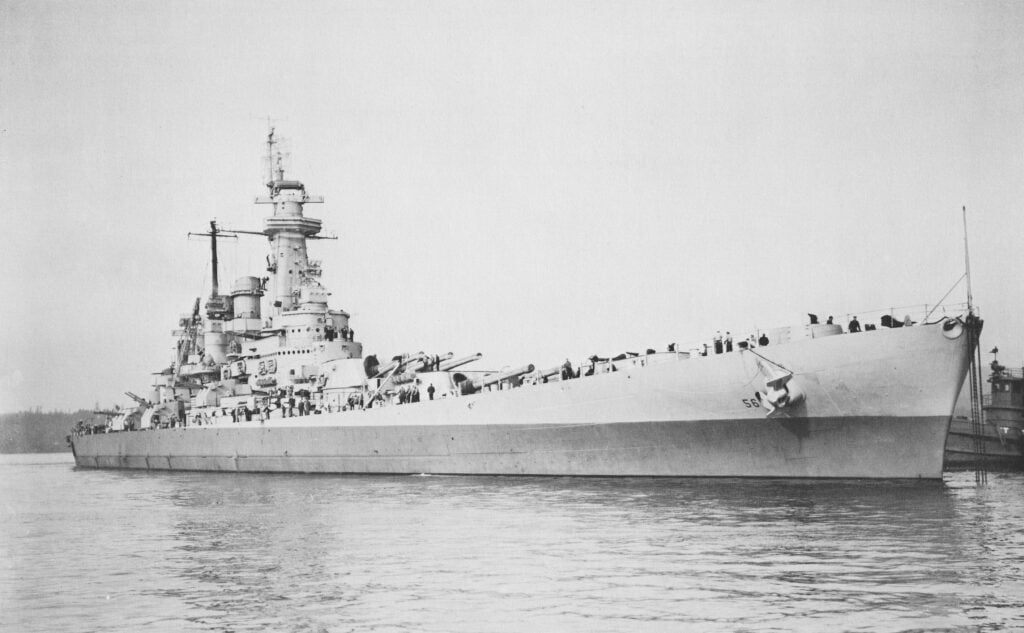
In the dark waters off Guadalcanal on the night of November 14–15, 1942, one American battleship changed how naval warfare was fought in the Pacific. The USS Washington (BB‑56) was not a carrier or a fast cruiser, and at the time many in the U.S. Navy viewed battleships as less important than aircraft carriers. But in a single night action, Washington proved that a well‑handled battleship with modern technology could be decisive. This is the story of how Washington rose from a supporting role to become one of the most effective American warships of the conflict.
Radar and Night Combat Readiness
At about 2300 hours on November 14, Washington’s radar operators picked up Japanese ships in Ironbottom Sound near Guadalcanal. They detected multiple enemy warships at long range, long before lookouts could see anything in the darkness. The battleship’s SG surface search radar and advanced fire control systems had been trained and tested for more than a year, allowing her crew to track and engage hostile ships without visual contact. This was not a common ability yet; many warships still relied on sight alone or early, less capable systems. Radar gave Washington a major edge in night combat where visibility was nearly zero.
Despite this technological edge, the ship had been kept in a defensive role because naval doctrine of the moment emphasized that battleships were too valuable to risk without aircraft carrier support. Carriers had taken center stage in the Pacific, and battleship commanders were instructed to guard them rather than fight on their own. Days earlier, a cruiser‑led task force without any battleships had been defeated by a Japanese force that included battleships, heavy cruisers, and destroyers in the chaotic night actions around Guadalcanal. That defeat underlined the danger of leaving battleships out of direct fleet engagements.
Enter Rear Admiral Willis A. Lee
With the threat of a renewed Japanese bombardment of American positions on Guadalcanal, Admiral Chester Nimitz ordered battleships into action without carrier cover. Rear Admiral Willis Augustus Lee Jr. was given command of Task Force 64, with Washington as his flagship and accompanied by South Dakota and several destroyers. Lee, a trained marksman and expert in gunnery, had also become one of the Navy’s foremost leaders in the use of radar for fire control. He drilled his crew to integrate radar information directly into the guns’ firing solutions, reducing delays and improving accuracy.
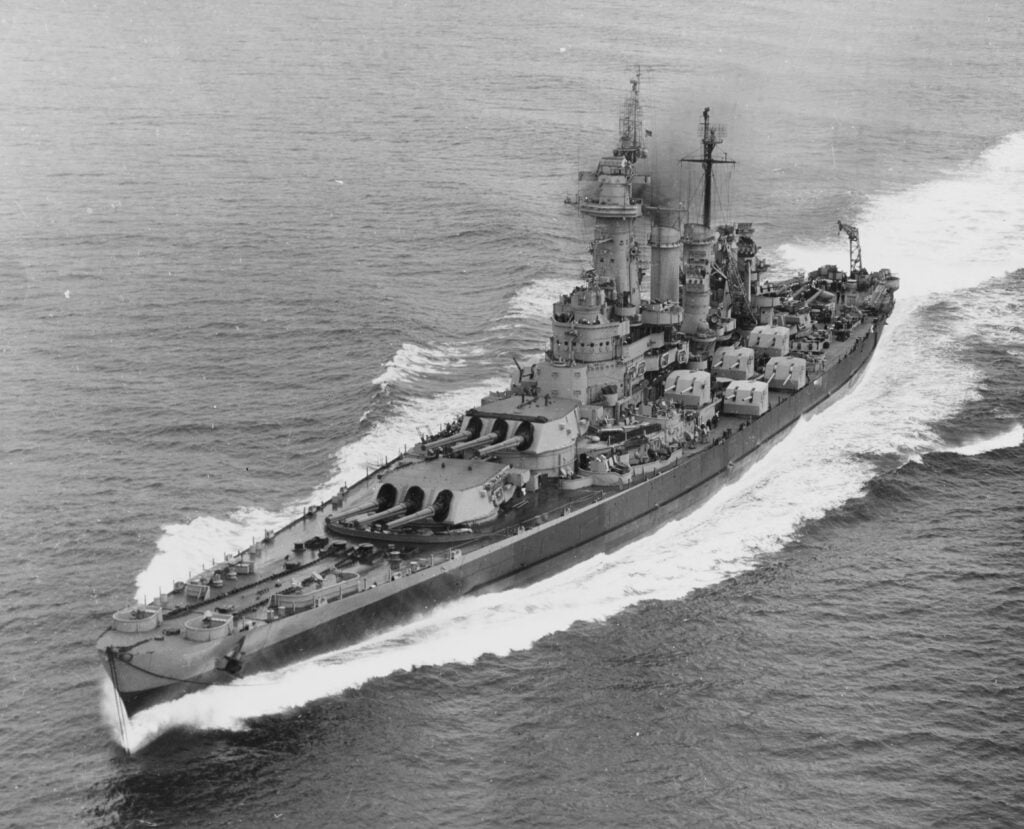
As the action began late on November 14, South Dakota was quickly damaged and temporarily out of the fight. But Washington continued on, undetected and guided by its radar systems. At close range of about 8,400 yards, Washington opened fire on the Japanese battleship Kirishima. Using radar‑directed gunnery, Washington’s 16‑inch main battery and secondary five‑inch guns unleashed a precise barrage. In a matter of minutes, the American battleship scored at least nine major hits and numerous secondary hits that damaged the enemy ship’s steering gear, flooded vital compartments, and set fires aboard. The Kirishima was so badly damaged that her crew abandoned her, and she was later scuttled.
Impact and Legacy
The destruction of Kirishima marked the only one‑on‑one battleship duel in the Pacific War where a U.S. battleship sank an enemy battleship. It also showed how radar could change naval combat, making night engagements decisive rather than uncertain. The success of Washington helped blunt Japanese efforts to bombard Henderson Field and reinforced the importance of technological integration in naval planning. Washington’s performance reshaped how battleships were viewed and underscored that, even in an age of aircraft carriers, fast and well‑handled battleships still had a major role to play.
_in_Puget_Sound,_10_September_1945.jpg)
