100-Year-Old WWII Pilot Allan Scott Takes to the Skies Again in a Hurricane—WATCH
BFBS Forces News / YouTube
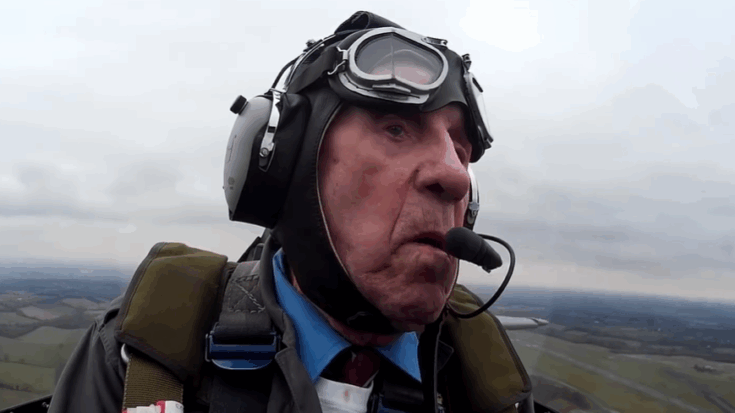
The sight of a century-old pilot returning to the cockpit carries deep meaning for aviation history. A widely shared video shows Second World War pilot Allan Scott flying again in a restored Hawker Hurricane at the age of 100, reconnecting with an aircraft type linked to one of the most dangerous periods of aerial combat. For many viewers, the moment bridged past and present through living memory rather than archives or photographs.
Scott was not simply a former flyer revisiting an old hobby. He had served as a Royal Air Force fighter pilot during the war, flying combat missions in Spitfires and defending Allied positions during intense air campaigns. His return to flight represented a rare case in which a combat veteran could once again experience the machines that defined his youth while sharing that experience with a modern audience.
A Veteran Pilot Returns to Flight
Born in the early twentieth century, Allan Scott joined the Royal Air Force in 1940 and later flew during major wartime operations, including the defense of Malta, where constant air attacks shaped daily survival. He earned the Distinguished Flying Medal for his actions and later served as an instructor and test pilot, flying dozens of aircraft types after the conflict ended. Even decades later, flying remained central to his identity.
During commemorative aviation events connected to Royal Air Force heritage celebrations, Scott had already returned to the skies in historic aircraft alongside other vintage warbirds. Reports from those flights described him performing controlled maneuvers with confidence, showing that the instincts developed during wartime training never fully faded. Organizers noted that he remained alert and engaged despite his age, treating the flight as both remembrance and celebration.

The Hurricane and Its Historical Meaning
The Hawker Hurricane holds a special place in aviation history. Introduced in the late 1930s, it formed a large part of Britain’s fighter defense during early wartime air battles. Though often overshadowed by the Spitfire in popular memory, the Hurricane accounted for a significant share of aerial victories against German aircraft during defensive operations over Britain. Its stable handling and rugged structure made it effective for pilots facing demanding combat conditions.
Modern restored Hurricanes are carefully maintained by heritage organizations and flown under strict safety supervision. Many surviving aircraft have been adapted to allow experienced pilots or passengers to experience flight while preserving the original design as closely as possible. Scott’s flight followed this tradition, combining historical preservation with public education.
Footage of the centenarian pilot in the air quickly spread online, drawing attention not only because of his age but because it highlighted a direct human link to events now studied mostly through books and museums. Watching Scott return to flight offered a reminder that the history of wartime aviation still lives through those who experienced it firsthand, even as that generation grows smaller each year.