16 US Military Aircraft Lost Since Operation Epic Fury Began
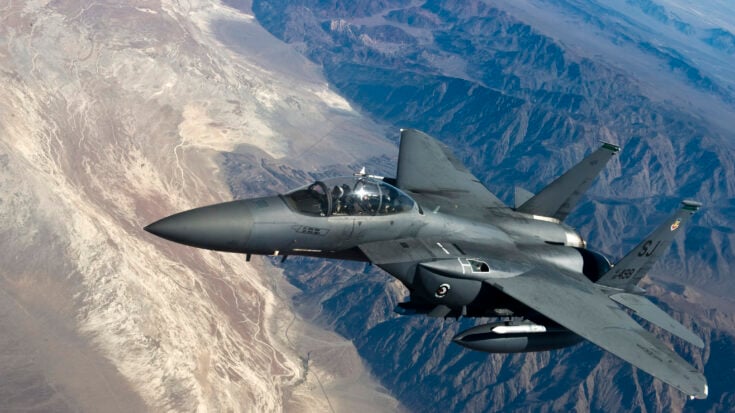
At least 16 American military aircraft have been destroyed since Operation Epic Fury began, with an additional half-dozen badly damaged in accidents or attacks. The losses span enemy fire, friendly fire, and operational accidents across three weeks of high-tempo combat operations.
The Breakdown
Ten MQ-9 Reaper drones account for the majority of confirmed losses to Iranian fire. At least nine were shot down in the air. One was destroyed on the ground at an airfield in Jordan by a ballistic missile strike. Two additional Reapers were lost to accidents. The drones are classified as attritable assets, meaning they are specifically designed to be flown in higher-risk environments because they carry no pilots and cost significantly less than crewed aircraft to replace.

The most consequential losses came from accidents rather than enemy action. Three F-15E Strike Eagles were downed by Kuwaiti friendly fire in early March. All six crew members ejected safely. A KC-135 Stratotanker was destroyed during a mid-air refueling operation over western Iraq, killing all six crew members aboard. Five additional KC-135s were damaged when an Iranian missile struck the airfield in Saudi Arabia where they were parked.

An F-35A made an emergency landing at an undisclosed Middle Eastern base after being struck by what is believed to be Iranian fire. The pilot is in stable condition.
Context and Scale
The loss rate, while significant, reflects the scale of operations rather than exceptional Iranian capability. The US conducted more strikes on the first day of Epic Fury than during the entire shock and awe campaign of the Gulf War. More sorties flown each day produces more exposure to both enemy action and operational risk. During the Libya intervention in 2011 the US reported only three combat losses over four months of operations.

Justin Bronk of the Royal United Services Institute described periodic accidents as an unfortunate likelihood in large, high-tempo, high-pressure combat operations. The KC-135 mid-air collision fits that pattern. The US Navy shot down one of its own aircraft during Middle Eastern operations in 2024 under comparable operational pressure.
Air Superiority Remains Incomplete
Chairman of the Joint Chiefs General Dan Caine has confirmed the US holds only localized air superiority over Iran, meaning specific portions of Iranian airspace are controlled while others remain contested. Iran’s air defenses were among the first targets of the combined US-Israeli campaign but have not been completely suppressed. Israeli and Western estimates suggest approximately 60 percent of Iranian launchers have been destroyed, though that figure has not changed significantly since the opening days of the war.

The persistence of Iranian air defenses directly affects the Strait of Hormuz situation. Any active air defense capability complicates efforts to reopen the waterway to commercial shipping. Houthi forces in Yemen shot down multiple Reapers in 2025 operating in a similar contested environment, and Iran’s remaining systems present a comparable challenge.
Iran struck energy facilities in Qatar and Saudi Arabia on Thursday in retaliation for US attacks on its South Pars gas field, as the campaign enters its third week.