



How a 19-Year-Old P-51 Pilot “Chuck Yeager” Changed WWII Air Combat Forever
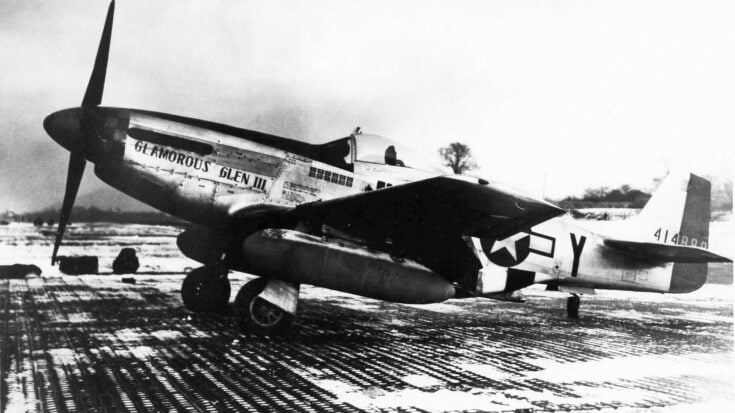
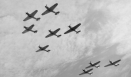
U.S. Air Force, Public domain, via Wikimedia Commons
In late 1943, the air war over Europe reached a crisis. Bomber crews faced heavy losses once American fighters turned back for fuel. A new aircraft, the P-51 Mustang, arrived with long range, but the tactics used by the United States Army Air Forces still followed old rules. Young pilots were told to stay in formation, move as one group, and avoid individual action. In this period, a 19-year-old pilot named Charles “Chuck” Yeager made a choice in combat that broke from training and helped change air fighting methods for the rest of the war.
The Deadliest Months of the Air War
In December 1943, deep raids into German territory cost many B-17 bombers. During the Schweinfurt mission and other strikes, one out of five aircraft failed to return. Bomber crews understood the odds of surviving all required missions were low. The main cause was range. P-47 and P-38 fighters could not follow bombers to distant targets, giving German pilots time to attack without pressure.
The P-51 solved the fuel issue, but American fighter doctrine was still stuck in the past. Leaders who trained in the 1920s stressed tight formations. Pilots were expected to keep position, even if it reduced options in a fight. Individual thinking was called unsafe. German tactics favored freedom of movement, fast attacks, and use of altitude, giving experienced pilots a major edge.
A Pilot from West Virginia
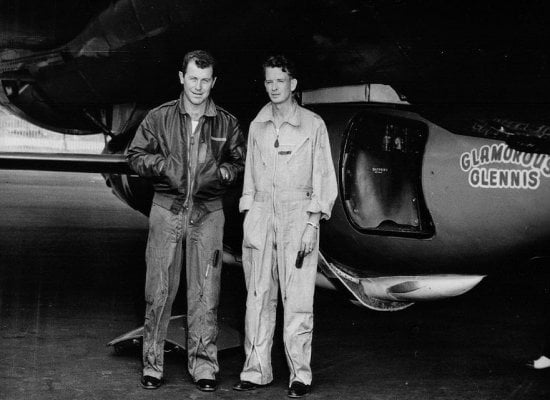
Yeager grew up in a small town, learning to aim while hunting to help his family eat during the Depression. His eyesight was sharp, and he could judge motion with skill. He first entered the Army Air Forces as a mechanic. When the service opened a path for enlisted men to fly, he applied and passed training through instinct and attention, not formal education.
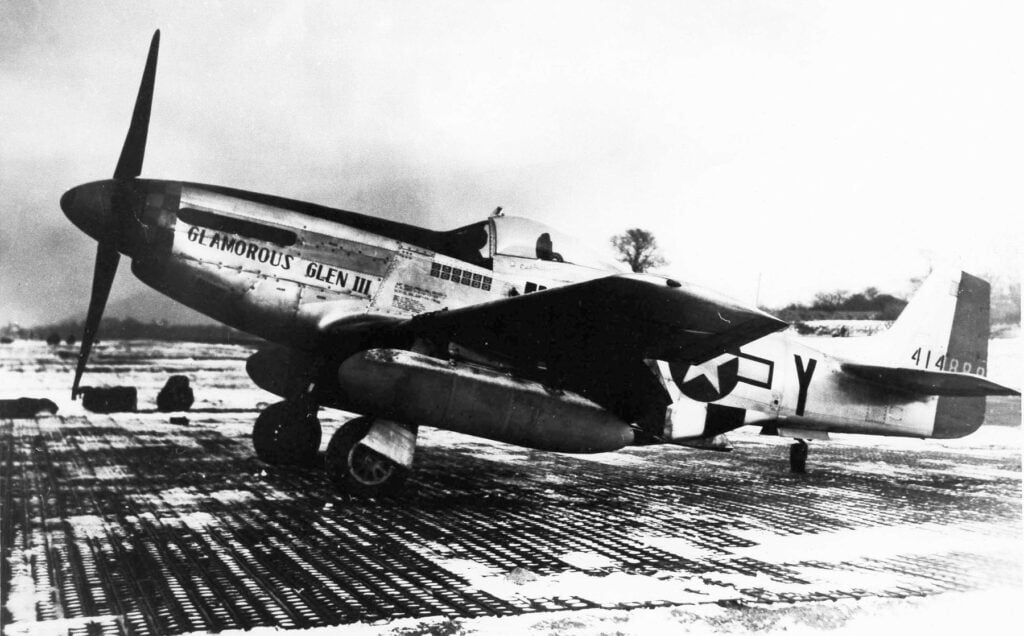
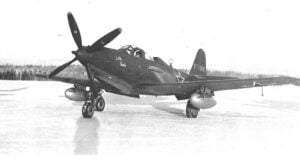
By the end of 1943, Yeager flew a P-51B named Glamorous Glenn with the 357th Fighter Group. He had limited combat experience when he entered an air fight near Bremen. A German fighter closed in from behind, forcing Yeager to choose between the stable pattern he had learned or a move he believed might save him.
The Dive That Broke the Rule
Yeager ignored his training and pushed the aircraft into a steep dive from high altitude. Manuals warned that diving away from a German fighter would lead to loss. In practice, the Mustang’s engine gained speed fast at extreme rates. The German pilot lost position when the dive reached very high speed. Yeager then pulled out low, reversed the movement, and fired a short burst that destroyed the enemy aircraft.
Senior officers doubted the report. They believed the German fighter would always out-dive American planes. Soon, other pilots returned with similar accounts. Tests over the English Channel confirmed that at high speed and at lower altitude, the P-51 held an advantage.
Changing the Rules
In early 1944, a respected commander ordered new tactics. Pilots could now use fast dives, sudden turns, and flexible formations rather than fixed lines. Young fliers gained freedom to strike from below using speed and timing. Some leaders resisted the change, but results in the air forced acceptance.
During raids in early 1944, Mustangs flying with new methods met German fighters on better terms. Yeager, now gaining skill, attacked from unexpected angles. Large groups of bombers reached targets with fewer losses. Survival rates rose, and crews noticed the difference.
The Long Impact
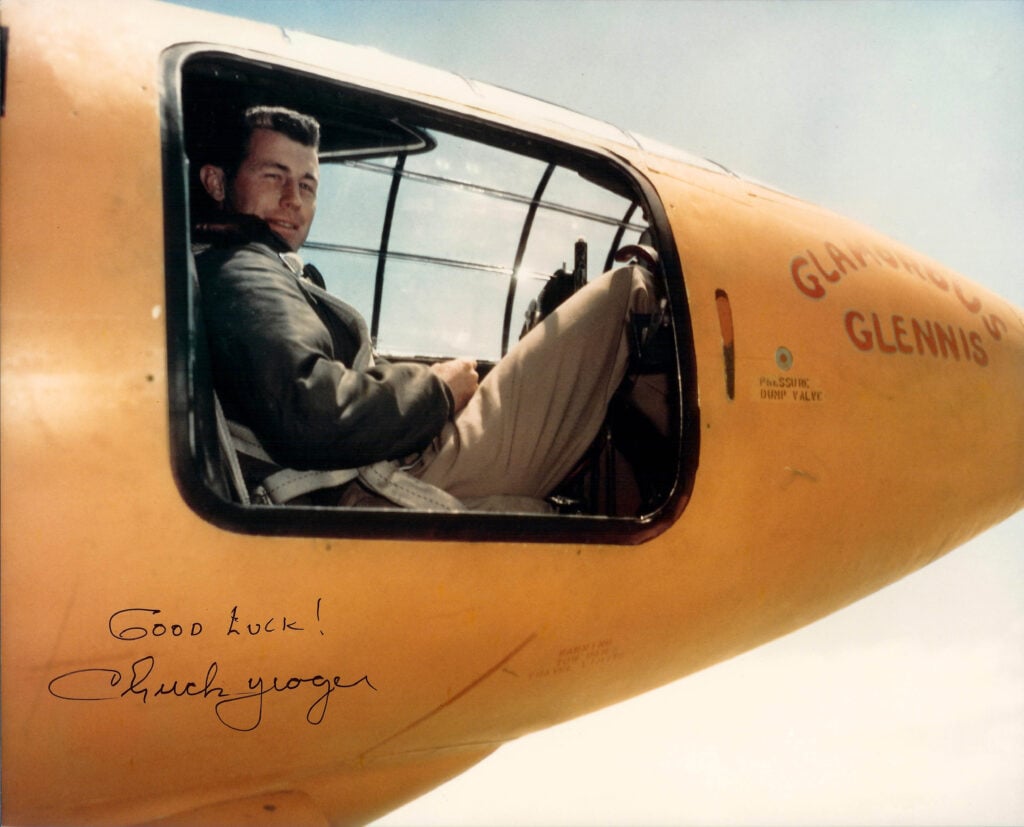
Through 1944, German losses increased, while trained replacements became rare. By summer, bomber losses fell to a fraction of the earlier level. Many crews finished tours they once believed impossible. Yeager continued to use the same control of speed later in his career, including when he flew the Bell X-1 in 1947 and passed through the sound barrier.


.jpg)