

7 Kills in One Flight How One Pilot Single-Handedly Saved the USS Enterprise
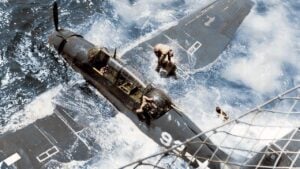
US Navy, Public domain, via Wikimedia Commons
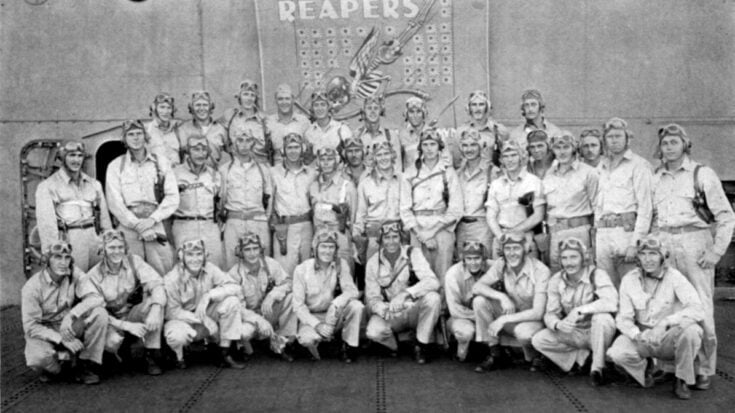
The morning of October 26, 1942, began with alarms screaming across the deck of the aircraft carrier USS Enterprise. American forces were deep into the Battle of the Santa Cruz Islands, and enemy aircraft were already inbound. Pilots ran for their planes knowing there was no margin for delay. Among them was Lieutenant Stanley “Swede” Vejtasa, a former dive-bomber pilot now leading a small group of F4F Wildcat fighters. He understood the danger before his wheels ever left the deck.
Scrambled Too Late Over the Fleet
Vejtasa’s eight Wildcats clawed for altitude, but they were already behind the curve. Enemy aircraft were closing fast, and the American formation had not reached the height needed for a clean interception. Below, more than twenty ships stretched across the ocean, including the carriers Enterprise and Hornet. Thousands of sailors depended on the fighters overhead.
Enemy dive bombers soon appeared above them. Vejtasa ordered a hard climb, but the attackers slipped past and began their dives. Bombs struck Hornet, tearing through the flight deck. Vejtasa turned his anger into action, attacking the bombers as they pulled away. He destroyed one, then another, firing until planes fell burning toward the sea.
Fighting After the Bombs Fell
More attackers followed. One damaged aircraft did not turn away but slammed into Hornet, spreading fire and chaos across the ship. Vejtasa saw the hit and knew there was no time to dwell. New reports warned that another group was heading straight for Enterprise. He ordered his pilots to regroup and climb again.
Out of the clouds came another wave of dive bombers. Vejtasa attacked without hesitation, tearing through their formation and shooting down more aircraft. His sudden strike threw the enemy into confusion, breaking up their attack before they could line up on the carrier. The Wildcats stayed aggressive, chasing the attackers until they scattered.
A Deadly Dive on Torpedo Bombers
As the sky briefly cleared, a warning came over the radio. Torpedo bombers were approaching at low altitude. Vejtasa and his wingman dove hard, dropping from above with guns blazing. He destroyed one bomber almost instantly, then turned after another and set it on fire. The remaining attackers broke away, their formation ruined.
With ammunition running low, Vejtasa climbed again, watching the sky for the next threat. It came quickly. Another group of torpedo bombers pushed toward Enterprise. Anti-aircraft fire filled the air, but Vejtasa knew it would not stop them all. He pressed the attack, firing until another bomber burst into flames.
Empty Guns and a Last Choice
One enemy aircraft remained, damaged but still flying toward the fleet. Vejtasa chased it with empty guns, weighing his final option. He closed in, preparing to strike with his propeller if needed. Before he could, the burning bomber plunged downward and crashed into the destroyer USS Smith, causing fires but sparing the carrier.
Out of ammunition and fuel, Vejtasa returned to land. In a single flight, he had destroyed seven enemy aircraft. His actions broke multiple attacks and helped keep Enterprise in the fight. That day, he became an ace and proved how one pilot, acting at the edge of exhaustion, could change the course of a battle.
_c1942.jpg)
_1942.jpg)
