Why This WWII Woman Pilot Flew and Delivered 400 Warplanes Without a Parachute
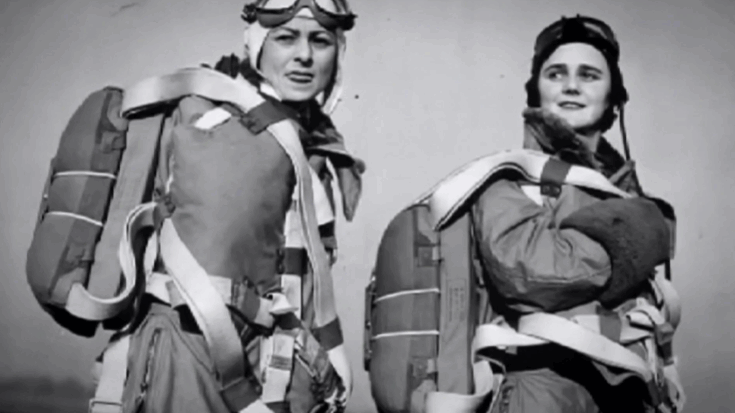
Mark 1333 / YouTube
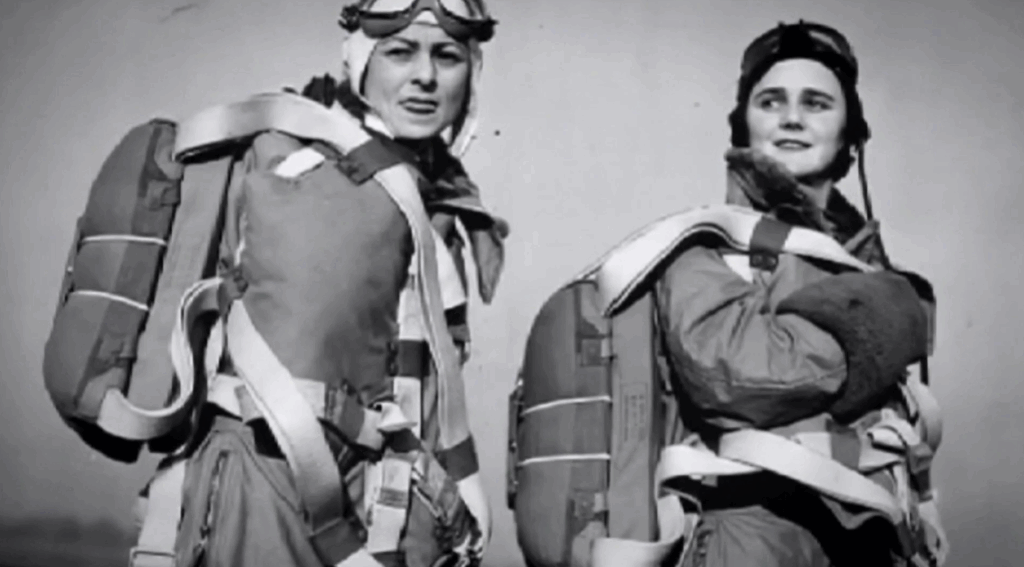
When Britain faced its darkest hours in World War II, help came from an unexpected place. It did not arrive with bombs or guns, but with steady hands and quiet resolve. One woman pilot delivered more than 400 warplanes across dangerous skies, often alone, unarmed, and without a parachute. Her name was Mary Ellis, and her work kept the Royal Air Force fighting when it mattered most.
A Girl Who Watched the Sky
Mary Wilkins grew up in England during a time when flying felt distant and unreachable, especially for girls. Aircraft crossed the sky like small shadows, and she watched them whenever she could. Adults told her flying was not meant for her, but she paid no attention. She spent hours at local airfields, learning by observation and asking questions whenever she could.
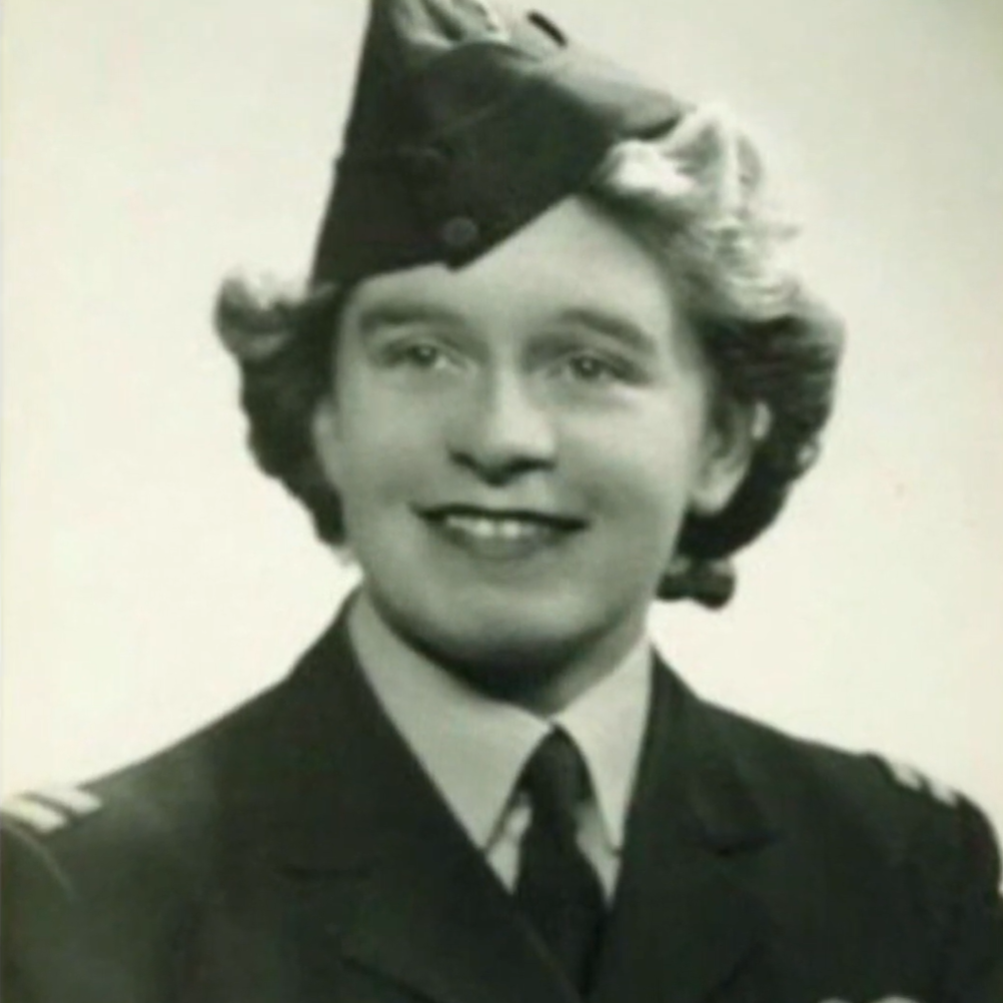
By sixteen, Mary was determined to fly. She took her first lesson after a pilot noticed her watching closely and decided to give her a chance. Within months, she was flying solo. When war came, she already had something Britain urgently needed: trained pilots. She later married and became known as Mary Ellis, but her skills were already proven.
The Air Transport Auxiliary Steps In
By 1940, Britain had aircraft rolling out of factories faster than they could be used. Fighter pilots were tied to combat, and bomber crews were stretched thin. The solution was the Air Transport Auxiliary, a civilian group tasked with ferrying aircraft from factories to air bases. For the first time, women were accepted.
Many doubted the decision, but there was no alternative. Mary signed up immediately. ATA pilots did not fight, but their work was dangerous. They flew in bad weather, often without radios, and navigated alone. Most shocking of all, ATA rules did not allow parachutes during ferry flights, as they were considered combat gear.
Flying Without a Safety Net
Mary asked for a parachute and was refused. One officer told her to land the aircraft if there was trouble. She answered calmly that if she could land safely, she would not need one. Without a parachute, every flight meant only two outcomes. Either the aircraft landed, or it did not.
Her first major assignment was a Hawker Hurricane, a frontline fighter she had never flown. ATA pilots received only a one-page instruction sheet for new aircraft. She studied it, memorized the controls, and took off. When she landed safely, stunned airmen asked where the pilot was. Mary stepped out of the cockpit herself.
Four Hundred Flights Across War Skies
Over four years, Mary delivered fighters, bombers, and transport aircraft. She flew Hurricanes, Spitfires, Mustangs, Wellingtons, and many others. Some aircraft were damaged. Some had engine problems. Others faced storms, fog, or icing conditions. Each flight carried the same risk.
On one flight, an engine failed and smoke filled the cockpit. Mary guided the aircraft toward an open field and escaped moments before flames consumed it. On another, violent storms nearly tore her Spitfire apart. Instruments failed, visibility vanished, and she forced the plane down with a hard landing that left her alive.
Quiet Service and Lasting Impact
Women in the ATA received little recognition during the war. Their pay was lower, and their work was often overlooked. Yet frontline crews understood their value. When a new aircraft arrived, it meant another pilot could fly and fight.
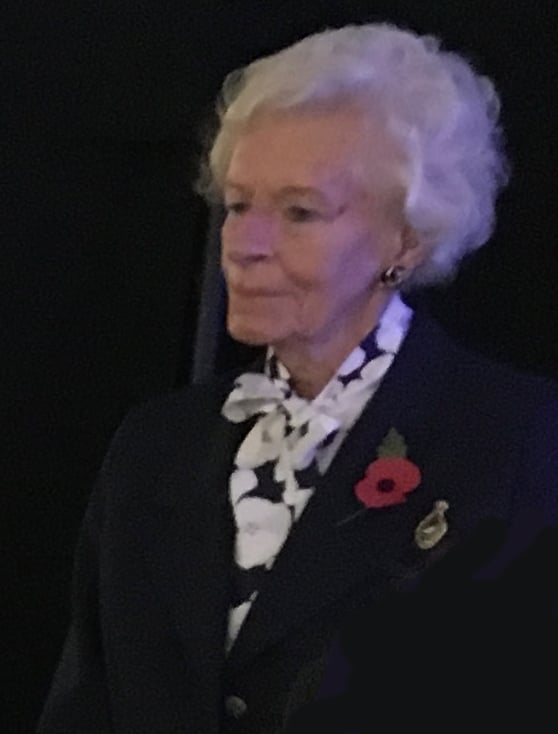
After the war, Mary continued flying and became Europe’s first female air base commander. Decades later, when asked if she had been afraid, she answered simply that fear did not land planes. Her work helped save lives, not through combat, but through courage shown again and again in the cockpit