







Why the B-25’s 75mm Cannon was a Failure
YouTube / WWII US Bombers
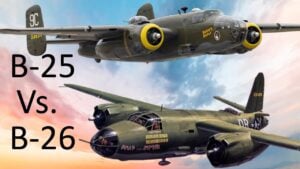
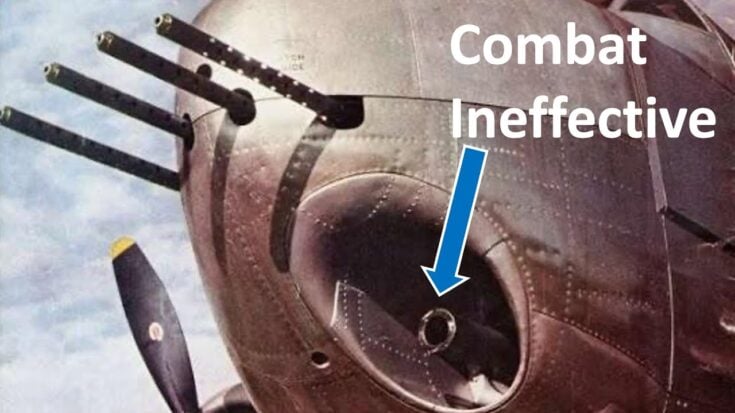
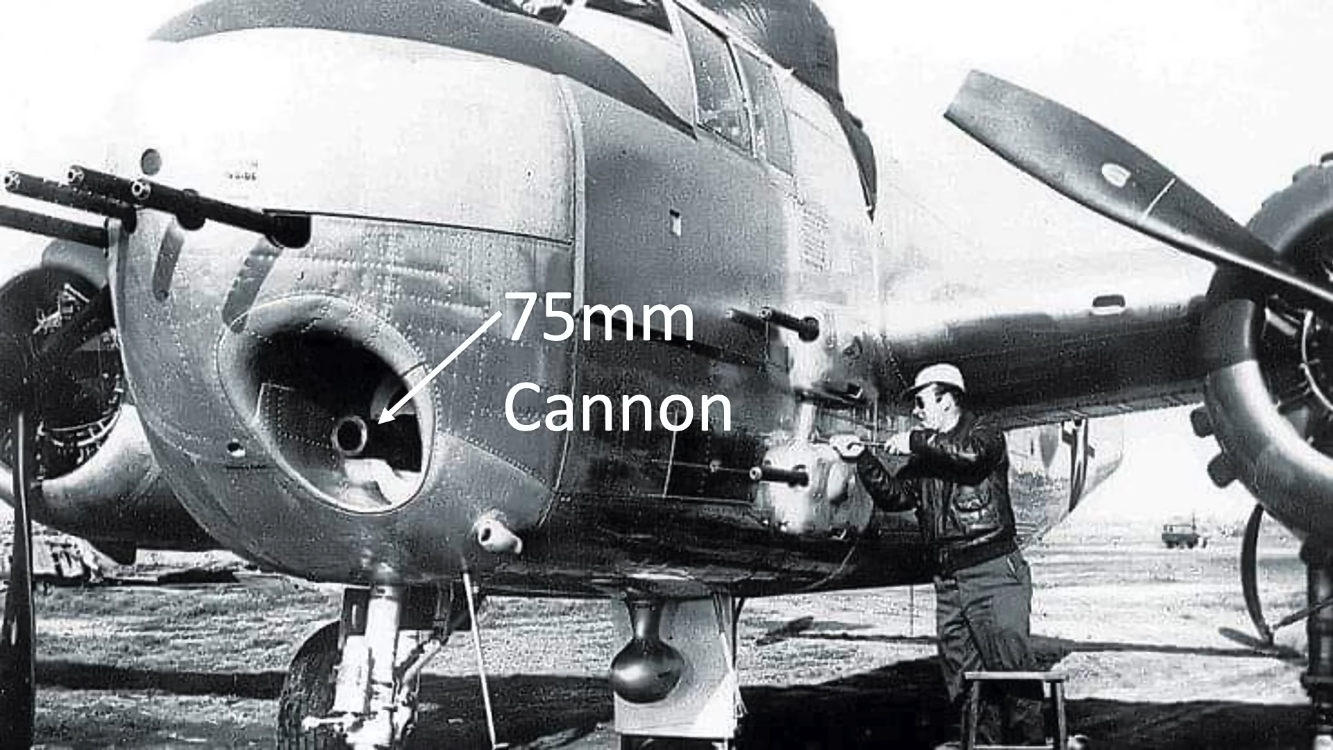
The B-25G and B-25H arrived with one of the most ambitious ideas of the Pacific air war. Engineers and commanders wanted to turn a medium bomber into a forward-firing ship attacker built around a single M4 75mm cannon. The goal was simple. The cannon would add heavy punch during low level strikes on Japanese shipping. More than 1,000 aircraft were ordered with this system, but the modification produced limited results in combat.
Design and Operation
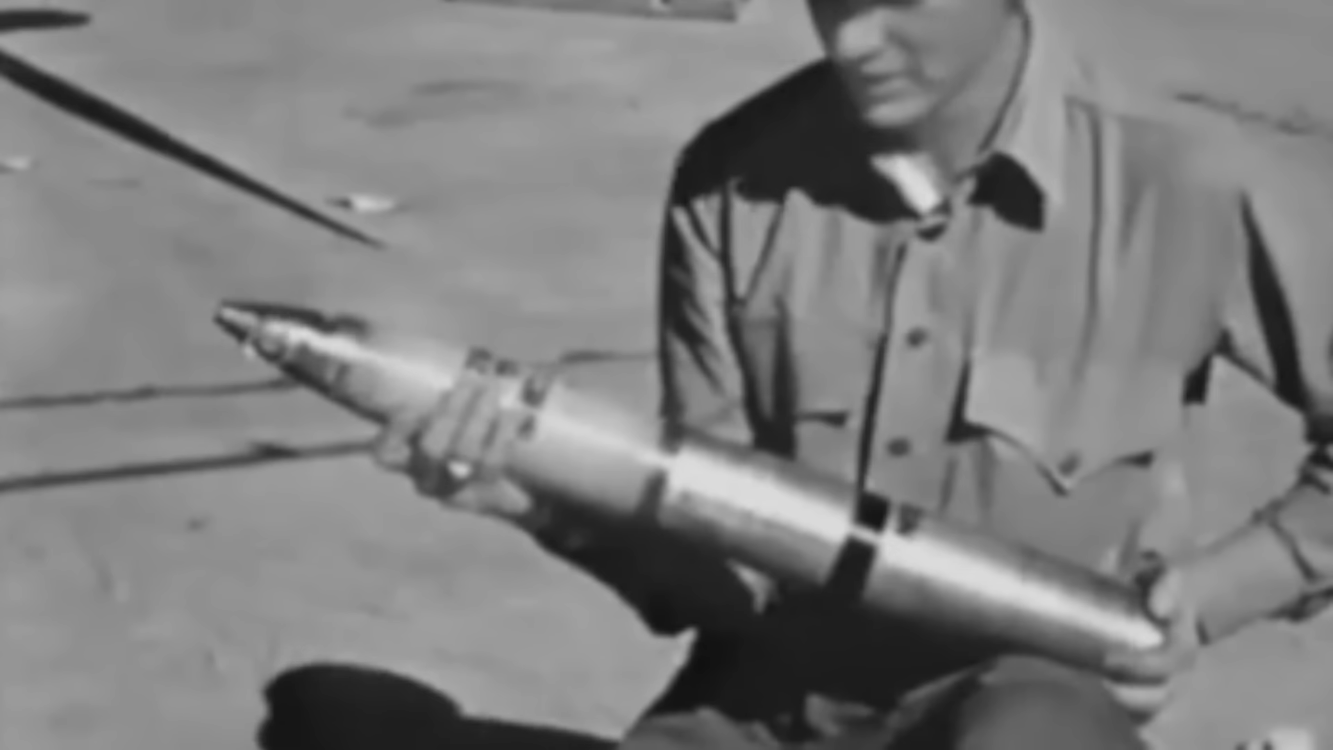
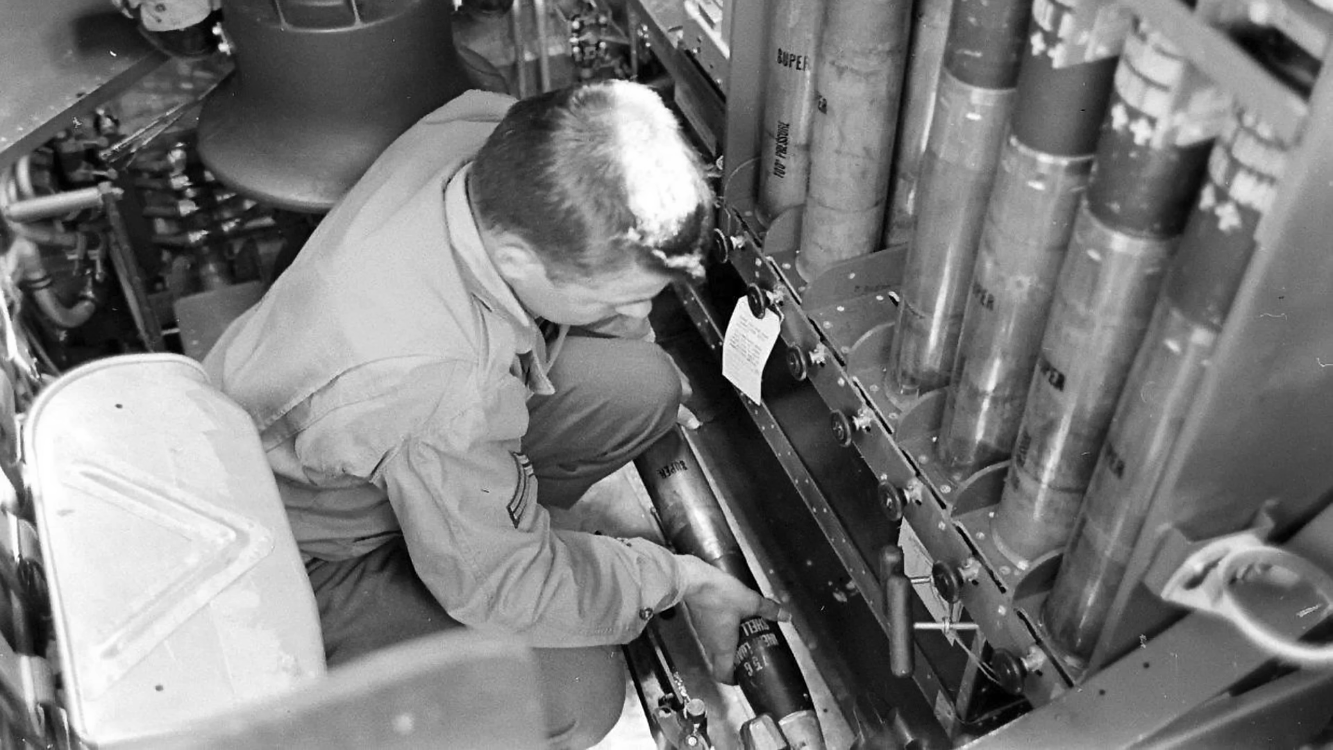
The M4 aircraft cannon weighed 893 pounds and stretched more than nine feet. Each round weighed nearly fifteen pounds and had to be loaded manually. The gunner sat between the pilot and top turret gunner, and the B-25G eliminated the co pilot position entirely to make room for the new system. The aircraft carried twenty one rounds, and the pilot fired the weapon through fixed forward sights.
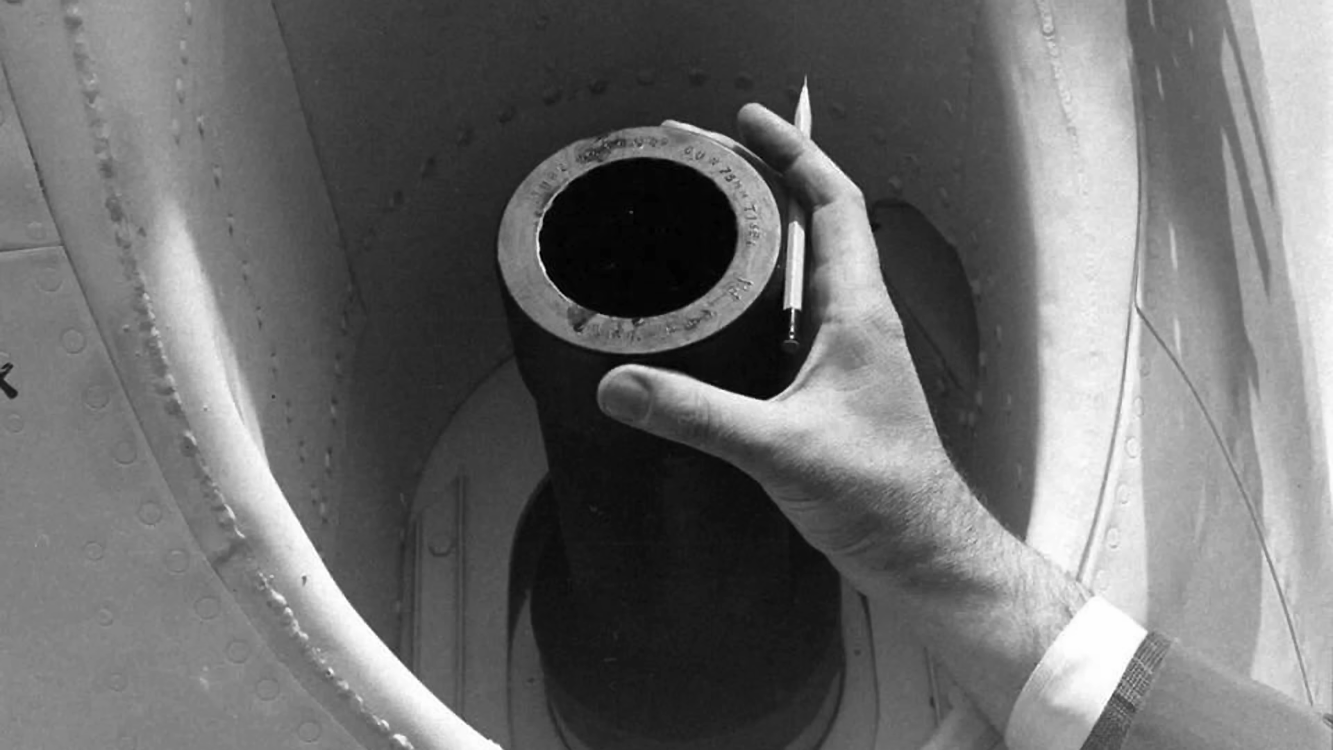
In theory, a cannon round offered significant penetration. Tests showed it could punch through several inches of homogeneous armor at distances typical of attack runs. This suggested it could bore into the hull of a destroyer or damage superstructure equipment.
Combat Performance
Operational use revealed the limits of the idea. During the first combat test in July 1943, seven cannon rounds struck two Japanese destroyers. The hits produced small holes but no meaningful internal damage. The ships were sunk only after skip bomb attacks with 1,000 pound bombs. Cannon rounds carried very small explosive charges. Even the high explosive type held only 1.47 pounds of filler. A single M65 bomb carried 558 pounds of TNT, a difference that defined combat results.
The rate of fire further reduced effectiveness. A typical attack run allowed three or four shots at most. These rounds placed only a small amount of steel and explosive against the target compared to the concentrated impact of machine guns. Fourteen .50 caliber guns could deliver roughly a thousand rounds in a five second burst, and crews found this far more useful for suppressing anti aircraft fire.
Removal and Legacy
Reports from squadrons using cannon equipped B-25s described limited accuracy, slow loading, reduced range, and increased airframe stress. Crews consistently preferred additional machine guns. By early 1944 the Fifth Air Force removed the cannon from combat aircraft and replaced it with two .50 caliber guns. Later B-25 models focused on massed forward firepower rather than large caliber weapons.
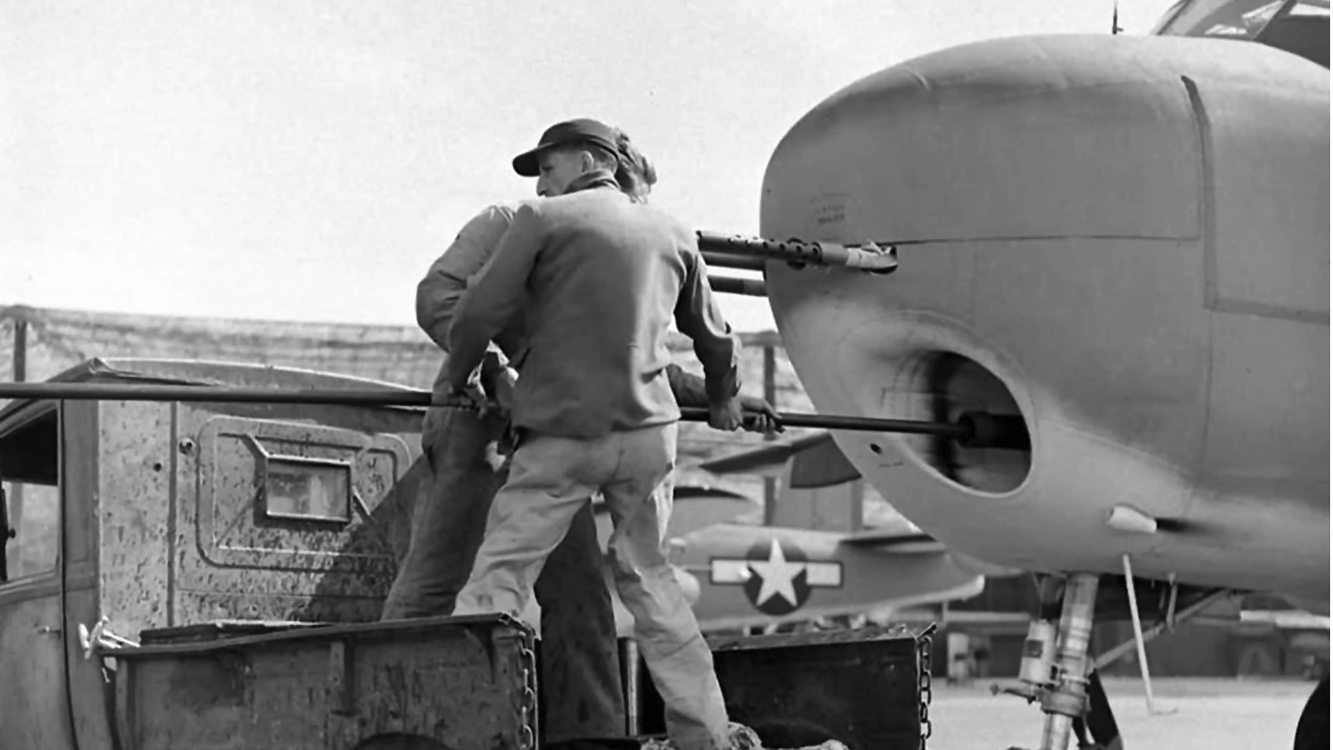
The B-25’s 75mm experiment left a clear lesson: medium bombers performed better with many fast firing guns rather than a single heavy cannon.