A-10 Warthog Reportedly Joined Initial U.S. Strike Waves Against Iran, CENTCOM Indicates
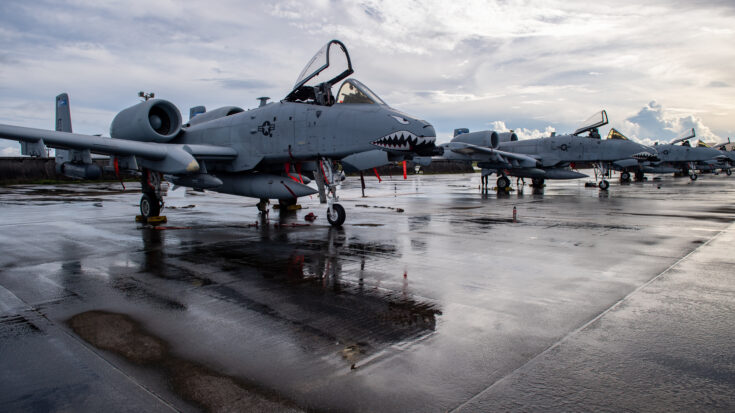
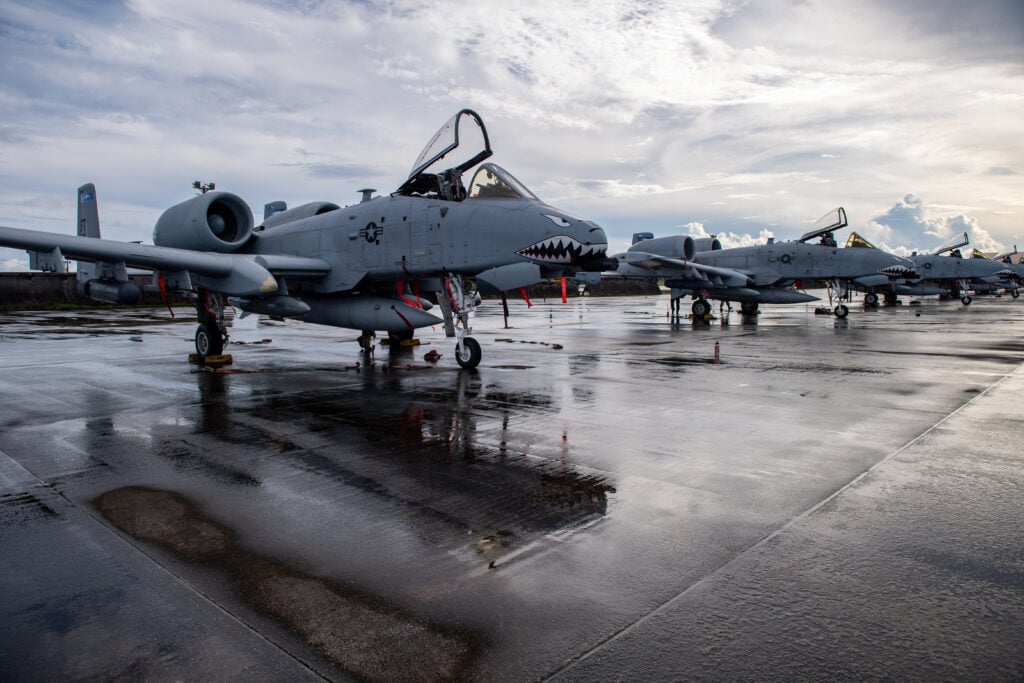
Airman 1st Class Courtney Sebastianelli, CC0, via Wikimedia Commons
The opening phase of Operation Epic Fury has drawn renewed attention to one of the U.S. military’s oldest but most recognizable aircraft. According to statements linked to U.S. Central Command (CENTCOM), A-10 Thunderbolt II attack aircraft were deployed during the first 48 hours of operations against Iranian targets, marking one of the aircraft’s most demanding combat roles in decades. The use of the A-10, often called the “Warthog,” highlights how older designs can still serve important roles in modern warfare despite advancing technology.
Military planners integrated the aircraft into a large multinational air campaign that included B-52 and B-1B strategic bombers, F-35 stealth fighters, and naval forces operating across the Persian Gulf. Analysts believe the decision reflected the need for aircraft capable of remaining over combat zones for extended periods while identifying and striking mobile targets such as missile launchers and fast attack boats. Unlike faster jets built for brief engagements, the A-10 is designed to stay close to the battlefield and respond quickly as conditions change.
A Cold War Aircraft in a Modern Conflict
The A-10 Thunderbolt II first entered service in the 1970s, created specifically to destroy armored vehicles and protect ground troops. Over time, it became known for reliability and survivability. Its continued presence in Operation Epic Fury comes after years of debate within the U.S. Air Force about retiring the fleet. Lawmakers repeatedly intervened, arguing that no direct replacement offered the same endurance and precision at low altitude.
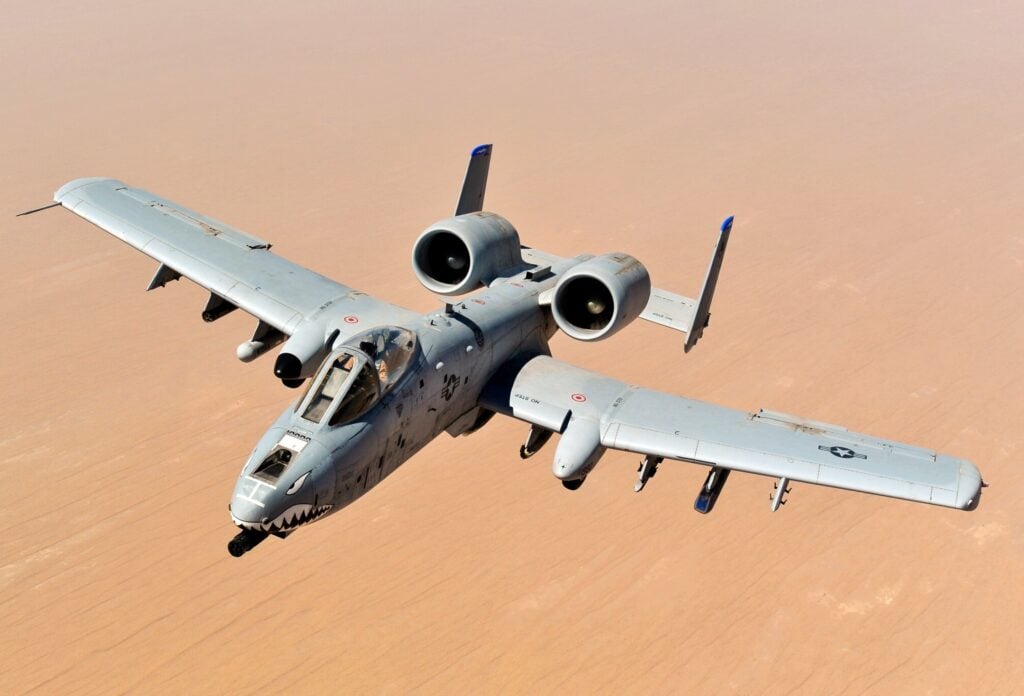
Under the Fiscal Year 2026 National Defense Authorization Act, Congress required the Air Force to maintain a minimum number of operational A-10 aircraft through September 30, 2026. This legislative decision ensured the aircraft remained available for combat deployment. The jets used in the operation were upgraded A-10C models, equipped with digital weapons management systems, modern cockpit displays, and advanced targeting pods that allow coordination with newer aircraft and satellite networks.
Mission Roles Over Land and Sea
CENTCOM officials indicated the A-10s were tasked with sustained armed overwatch, meaning pilots remained airborne to observe threats and respond immediately when targets appeared. In the Gulf region, this role included monitoring maritime areas near the Strait of Hormuz, where small vessels and mobile launch platforms can move quickly and blend into civilian traffic.
The aircraft’s GAU-8/A Avenger 30-millimeter cannon remains central to its mission. Capable of firing thousands of rounds per minute, the weapon allows pilots to engage targets precisely while limiting collateral damage compared to larger munitions. Reports suggest A-10 crews also worked alongside Littoral Combat Ships, providing aerial protection for mine-clearing operations and escort missions.
Recent operational indicators also suggest the aircraft played a role in counter-drone defense. Slow-moving unmanned aerial vehicles can be difficult targets for expensive missile systems, making the A-10’s cannon and laser-guided rockets a cost-effective alternative. This approach reflects changing battlefield conditions, where drones now appear alongside traditional threats.
Survivability and Changing Strategy
Operation Epic Fury presents a more complex environment than earlier conflicts in Iraq or Afghanistan. The A-10’s design still emphasizes pilot protection, including a titanium armored cockpit and redundant flight systems. These features gained attention during earlier wars when damaged aircraft successfully returned to base despite heavy damage.
As U.S. forces continue their largest regional buildup in years, the A-10’s role appears to be evolving. Instead of focusing only on ground support, the aircraft is now part of a wider maritime and defensive strategy aimed at protecting shipping routes, military bases, and allied infrastructure. With retirement planned later in the decade, the Warthog’s deployment shows how long-serving aircraft can remain relevant when missions demand endurance, visibility, and controlled firepower in complex combat conditions.