

The Last Tomcats? Israeli Air Force Destroys Iranian F-14 Fleet in Wide-Scale Attack
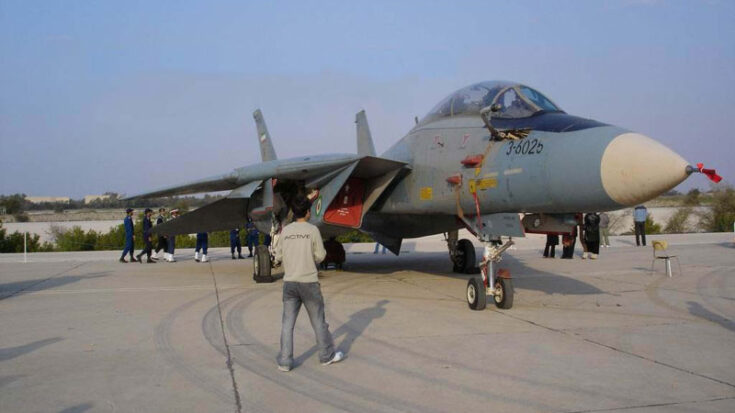
Amirmgh at English Wikipedia, Public domain, via Wikimedia Commons
The history of one of aviation’s most famous fighter jets may have reached a dramatic turning point after reports that Israeli forces struck Iranian F-14 Tomcats during a large military operation. According to statements released by the Israeli Air Force, several aircraft were destroyed in attacks targeting military facilities near Isfahan, Iran, a location long believed to house the last operational examples of the Cold War-era jet.
For decades, Iran remained the only country still flying the F-14 Tomcat, an aircraft made famous by its variable-sweep wings and long-range interception role. Aviation observers have long followed the fate of these aircraft, which were once considered among the most advanced fighters ever exported by the United States. The reported strike has raised questions about whether any airworthy Tomcats remain anywhere in the world.
Origins of Iran’s Unique F-14 Fleet
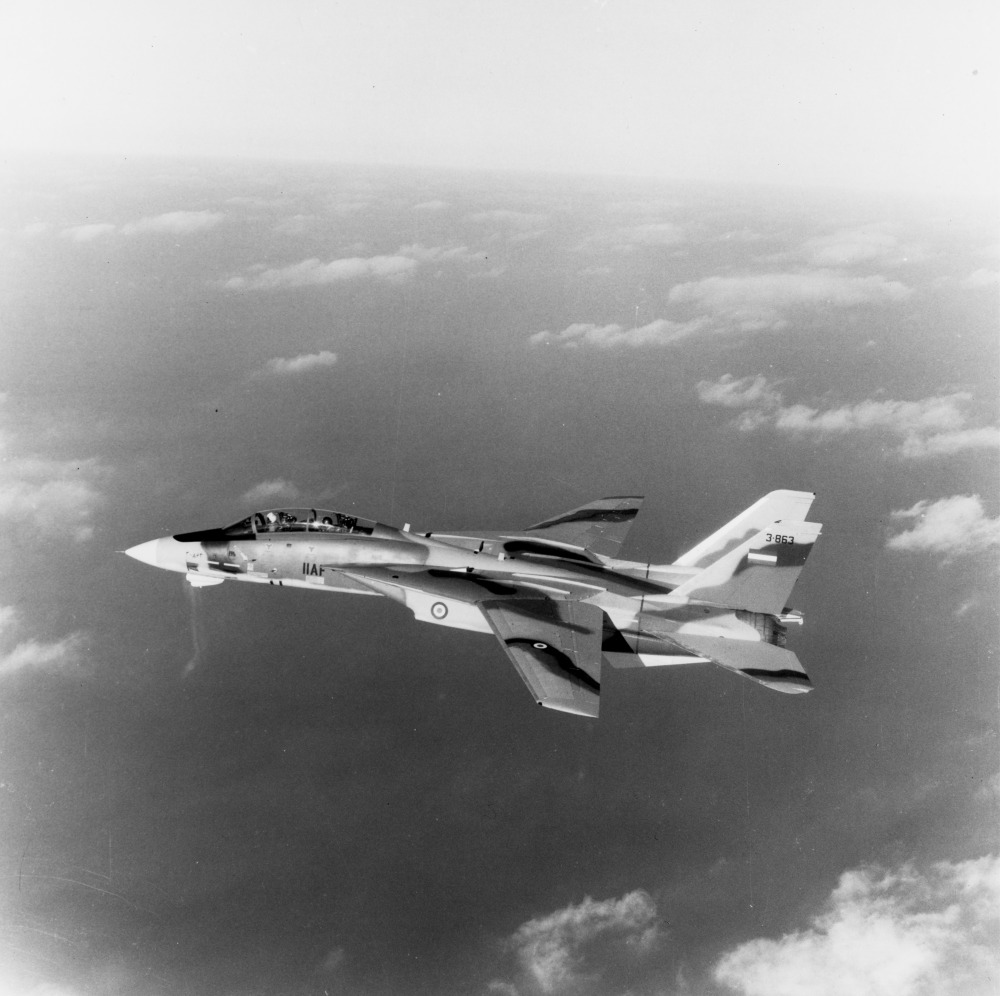
Iran acquired its fleet of F-14s in 1976 when the United States delivered 79 aircraft to the country under a defense agreement signed before the Iranian Revolution. At the time, Iran sought a powerful interceptor capable of defending its large airspace against high-speed reconnaissance aircraft. The Tomcat, equipped with advanced radar and long-range missiles, was chosen to fill that role.
After political relations between the two countries collapsed in 1979, Iran faced serious challenges maintaining the complex aircraft without American support. Spare parts became scarce, and many analysts predicted the fleet would quickly become unusable. Instead, Iranian engineers developed local repair methods and improvised supply chains to keep some planes flying. Over the years, the fleet gradually shrank, but reports suggested roughly two dozen remained operational as recently as the early 2020s.
Strike Near Isfahan
Israeli officials stated that the weekend operation targeted military infrastructure connected to Iran’s air defenses and aviation assets. Satellite imagery and defense reports indicated damage at facilities believed to store or maintain F-14 aircraft. While exact numbers have not been confirmed publicly, aviation analysts noted that multiple Tomcats were likely destroyed during the strikes.
The Isfahan base held special significance because it was widely viewed as the main hub for Iran’s remaining Tomcats. These aircraft were rarely seen publicly in recent years, appearing mostly during national military exercises or state media broadcasts. If the reported losses are accurate, the attack may mark the end of active service for the aircraft type worldwide.
Legacy of the F-14 Tomcat
First introduced by the U.S. Navy in the early 1970s, the F-14 became known for its speed, range, and powerful radar system designed to track multiple targets at long distances. The aircraft played a major role during the Cold War and later gained global fame through films and popular culture, which helped cement its reputation beyond military circles.
The United States retired its own Tomcats in 2006, replacing them with newer multirole fighters. After retirement, many surviving American airframes were scrapped to prevent spare parts from reaching Iran, highlighting how unusual it was that the aircraft continued flying elsewhere. Iran’s continued operation of the jet turned the country into the final guardian of a design otherwise lost to history.
Military historians often viewed the Iranian fleet as a living relic of Cold War aviation, representing a rare surviving link between two nations whose political paths sharply diverged decades ago. With reports of destruction at Isfahan, aviation observers now question whether the era of the Tomcat has finally come to an end, leaving only museums and archived footage to preserve the aircraft’s legacy.








_(17109327976).jpg)