

RAF Typhoons From 11 Squadron Arrive in Qatar to Support Regional Operations
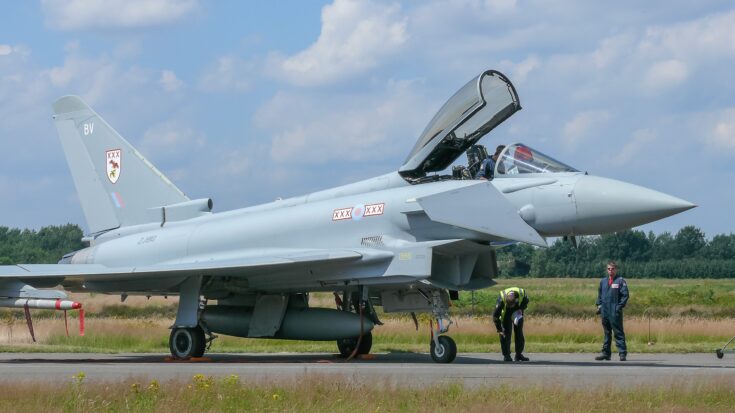
Jim van de Burgt from Wijk bij Duurstede, Netherlands, CC0, via Wikimedia Commons
British defense officials confirmed that the squadron will operate alongside No. 12 Squadron, which already maintains a rotational presence in the region. The deployment reflects the United Kingdom’s continued role in coalition air missions designed to protect regional stability, monitor airspace activity, and support partners facing increasing drone and missile threats. The move also highlights how allied nations coordinate airpower to respond quickly when regional security conditions shift.
Deployment to Dukhan Air Base
Dukhan Air Base serves as a key operating location for coalition forces working across the Gulf. Situated on Qatar’s western coast, the base allows aircraft to reach major shipping routes, energy infrastructure, and regional air corridors within minutes. RAF Typhoons arriving from the United Kingdom traveled thousands of miles with aerial refueling support before landing in Qatar, demonstrating the rapid mobility of modern air forces.
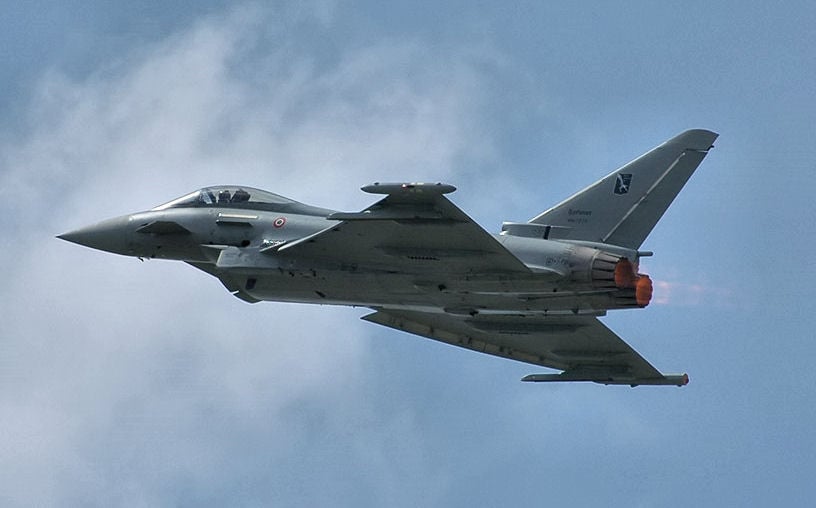
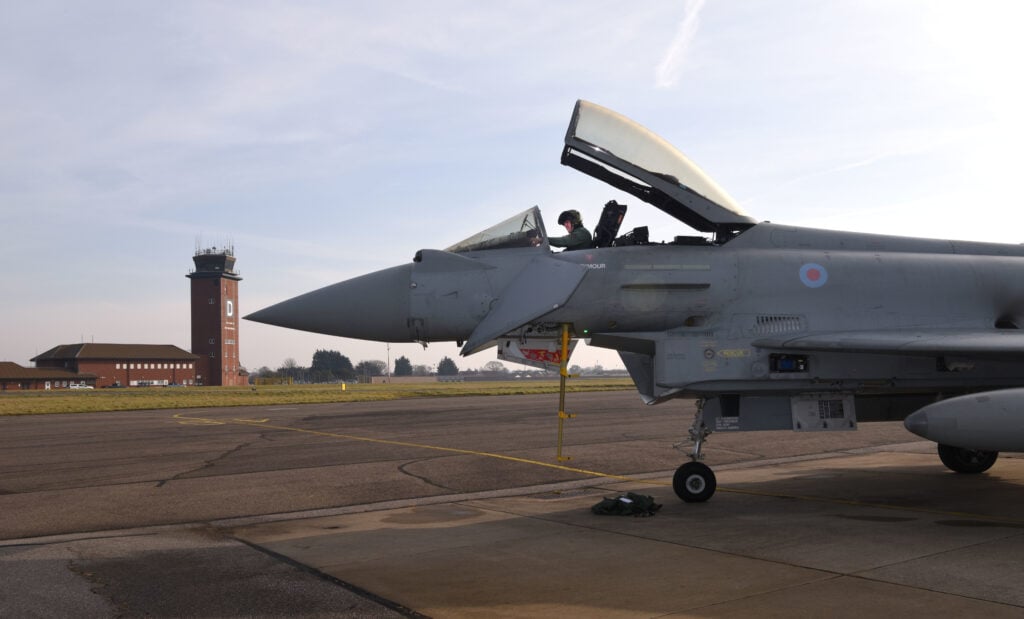
No. 11 Squadron has a long history within the Royal Air Force, dating back to World War I. Today, it operates the Eurofighter Typhoon, a multirole combat aircraft designed for both air defense and ground attack missions. The aircraft combines advanced radar systems, long-range missiles, and precision-guided weapons, allowing pilots to respond to a wide range of threats. Working together with No. 12 Squadron, British crews will share operational responsibilities, maintenance planning, and training exercises while deployed overseas.
Strengthening Regional Air Defense
The arrival of additional Typhoons comes as Gulf nations face continued security concerns linked to missile launches and unmanned aerial vehicle activity across the region. British officials stated that the deployment aims to strengthen defensive capabilities rather than escalate conflict. RAF aircraft are expected to conduct patrol flights, surveillance missions, and coordinated exercises with allied air forces.
Typhoon jets are particularly suited for quick-response air policing duties. Equipped with advanced sensors, the aircraft can detect and track targets at long distances while maintaining communication with allied command networks. This allows pilots to identify unknown aircraft, escort civilian flights when necessary, and deter potential threats without direct confrontation. Defense analysts note that visible air patrols often serve as a stabilizing presence, signaling readiness while reducing uncertainty during tense periods.
Cooperation With Allies
British air operations in Qatar form part of a broader partnership with regional allies and NATO partners operating across the Middle East. The United Kingdom has maintained a military presence in the Gulf for decades, supporting maritime security, counterterrorism operations, and joint training programs. Deployments like this one allow personnel to gain operational experience while strengthening cooperation with host nations.
Officials emphasized that the mission focuses on defending British interests and supporting allies rather than conducting offensive campaigns. RAF crews will work closely with Qatari forces and other coalition partners to share intelligence and coordinate flight operations safely within crowded regional airspace. The presence of multiple allied squadrons also improves response time during emergencies, including humanitarian evacuations or protection of commercial aviation routes.
As additional aircraft arrive in theater, the deployment demonstrates how modern air forces rely on cooperation and forward positioning to maintain readiness. The Typhoon squadrons stationed at Dukhan Air Base now form part of a wider defensive network designed to monitor developments across one of the world’s most strategically important regions.


.jpg)

.jpg)