







The A-10 Warthog Upgrade No One Saw Coming
YouTube / Wild Iron
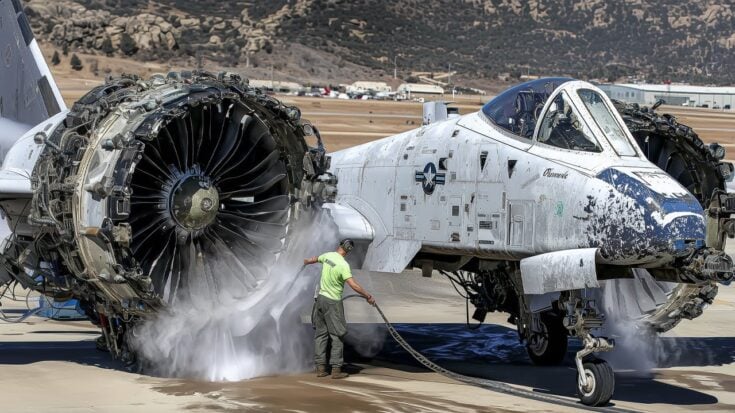
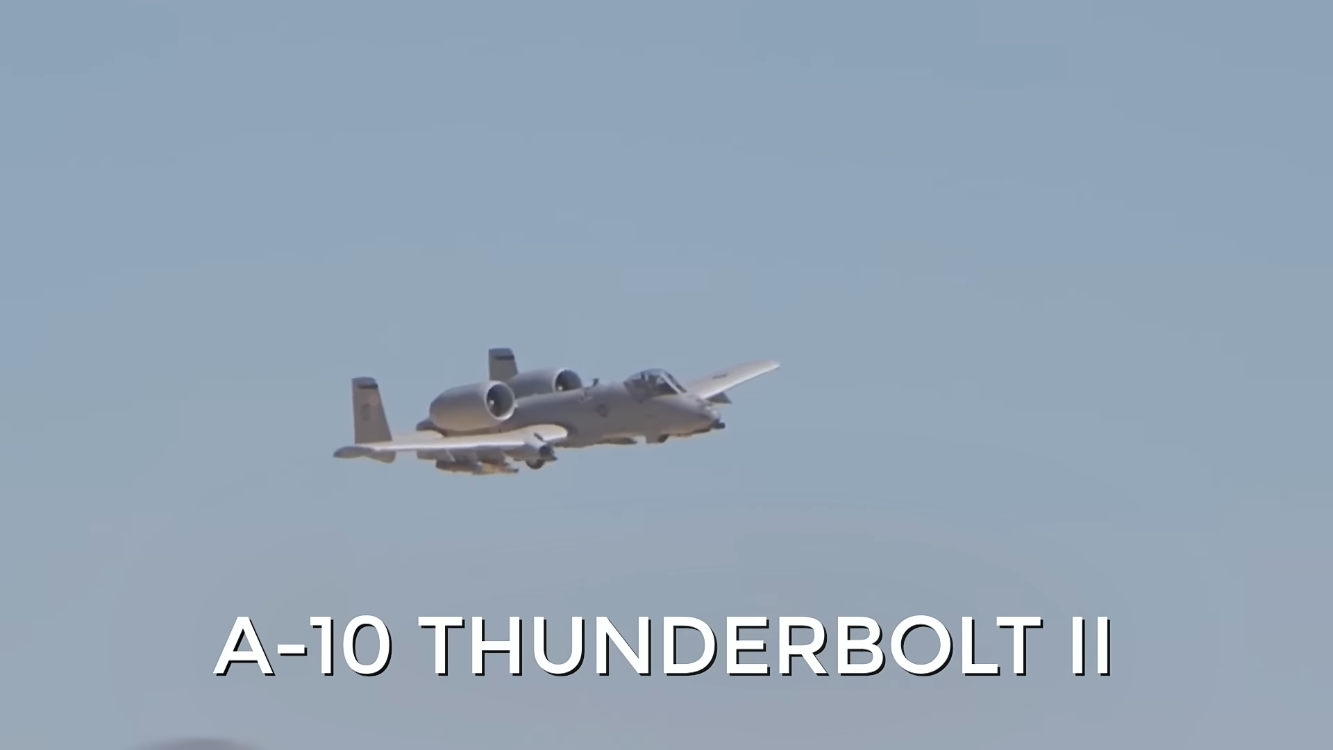
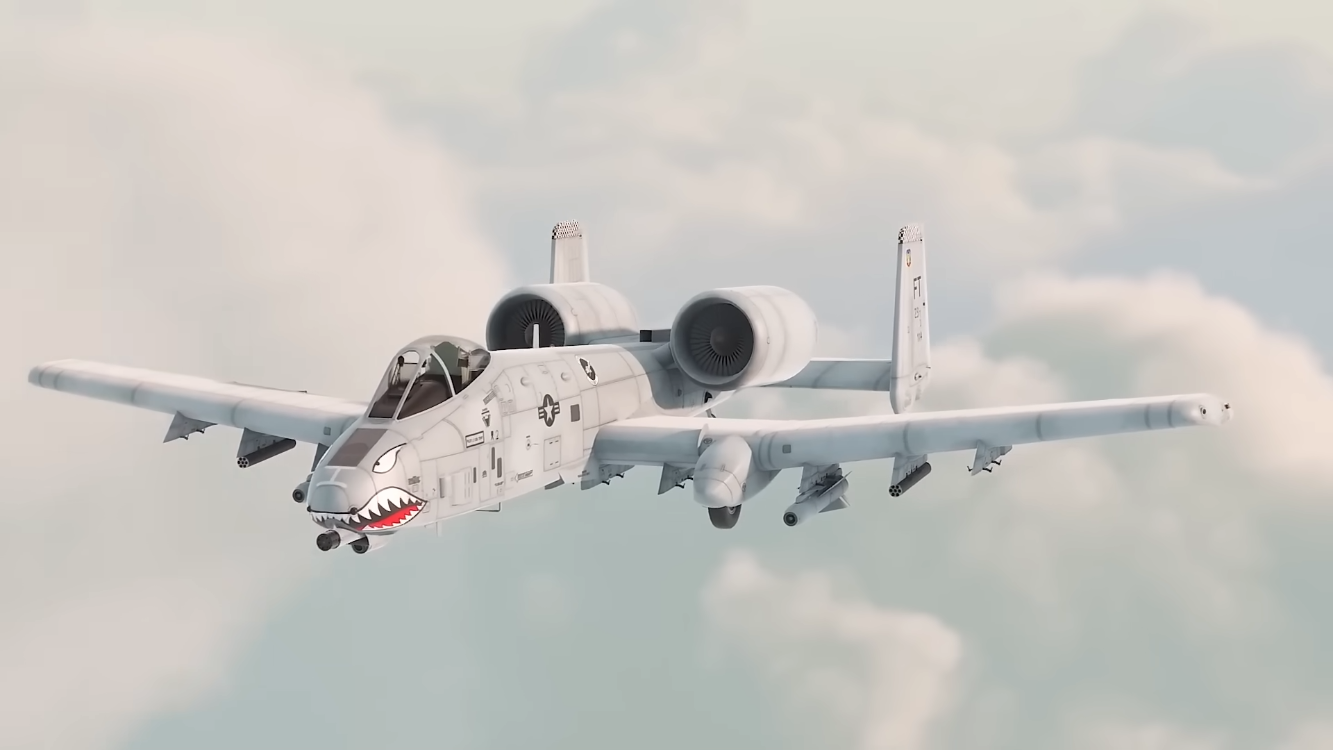
The A-10 Thunderbolt II entered service with a single mission. It was created to break Soviet tank columns and support infantry at close range. Engineers at Fairchild Republic built it for survivability, simplicity, and low altitude fighting. The result was an attack aircraft with thick titanium armor, redundant systems, and engines placed high above debris fields. It survived decades of modernization cycles and repeated retirement attempts. Yet, the rise of drone warfare has created a new mission that could keep the Warthog relevant beyond its expected end of service.
A Design Focused on Pilot Survival
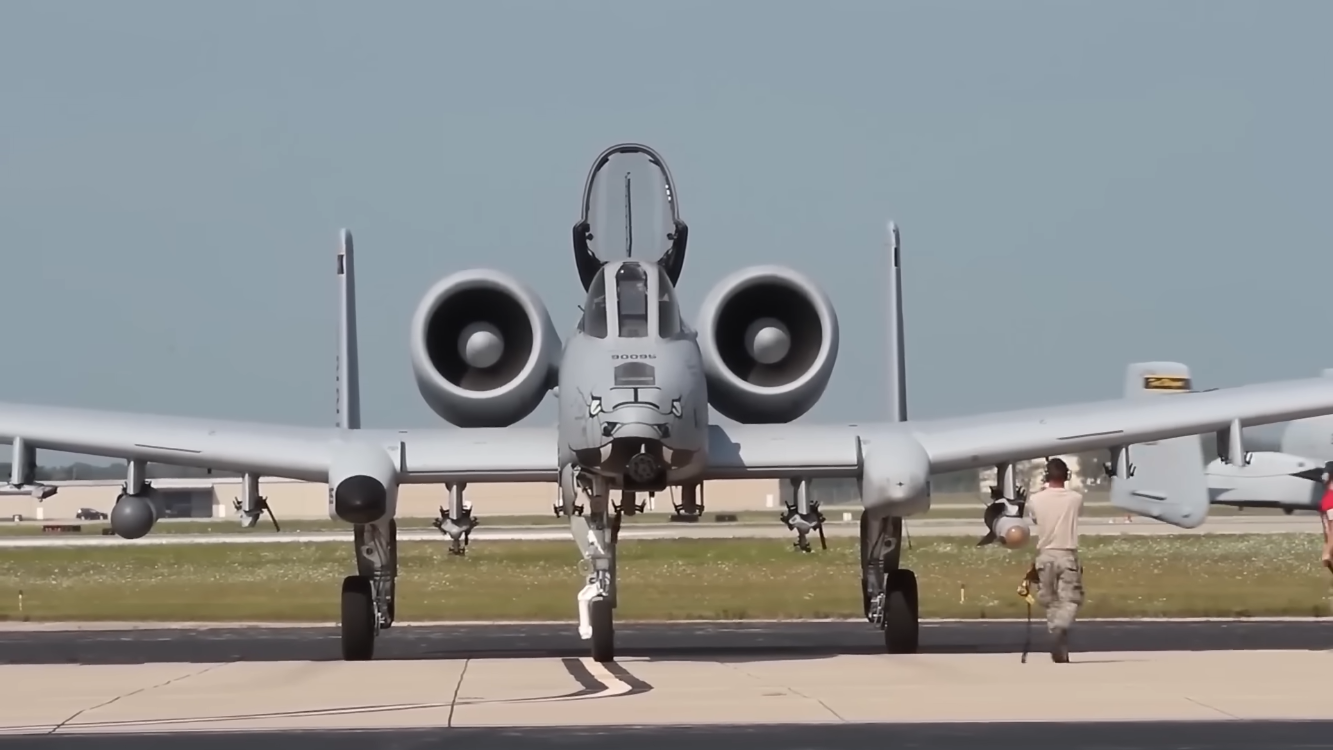
The A-10’s armor layout is one of the most robust in aviation. The cockpit sits inside a titanium tub that can stop 23 mm armor piercing rounds and shield the pilot from larger fragmentation. All major fuel tanks sit close to the center of the aircraft and away from the fuselage skin. Each tank can seal itself after damage, and check valves isolate any tank that becomes compromised. The fuel system also uses polyurethane foam to contain debris and slow leakage. If every main tank is lost, two reserve sumps give the aircraft enough fuel to reach a base. These systems were matched by firewalls, extinguishers, and an engine arrangement that reduces infrared exposure and helps avoid missile detection.
The structure was built to keep flying even if major sections were destroyed. The aircraft can remain controllable with one engine, one elevator, and half a wing. This capability was demonstrated in 2003 when Captain Kim Campbell flew a severely damaged A-10 back to base after losing hydraulics over Baghdad.
A Cannon Built Into the Airframe
The A-10’s most distinctive feature is the GAU-8 Avenger. This seven barrel rotary cannon fires 30 mm rounds at up to 3900 rounds per minute. Engineers designed the aircraft around the gun to handle its weight, recoil, and heat. Early problems, including pilot blindness from muzzle flash and engine stalls from gas ingestion, were solved with redesigned mounts, ignition controls, and protective systems. The result was a reliable and accurate weapon for low altitude attack missions.
Retirement Pressure and a Changing Battlefield
From 2008 to 2025, leaders in the Air Force launched repeated efforts to remove the A-10 from service. Arguments cited age, vulnerability in high threat environments, and the shift toward fifth and sixth generation fighters. Congress pushed back over concerns about close air support gaps. By 2024, the Air Force still operated more than 200 Warthogs. Retirement began in stages as 39 aircraft were removed from service that year.
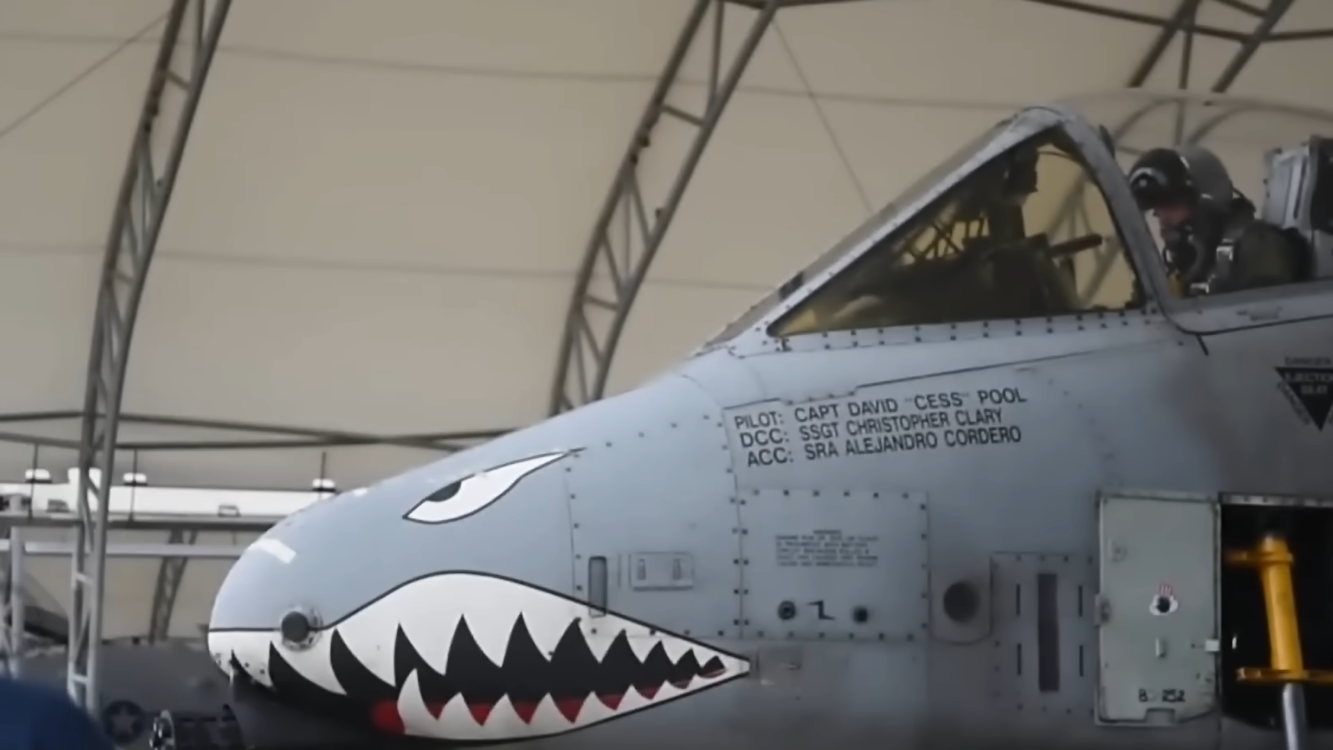
The remaining fleet received significant upgrades under Suite 11. These included new high resolution displays, updated radios, improved GPS protection, 3D audio systems, and the ability to use GBU 39B small diameter bombs. These changes improved precision and made the aircraft more adaptable to modern targeting networks.
The Unexpected Role as a Drone Hunter
A recent addition to the A-10’s arsenal is the advanced precision kill weapon system. This system uses laser guided missiles with proximity fuses designed to detonate near slow moving airborne targets. It has been cleared for use on the A-10 along with the F-16 and F-15E. Units using similar weapons have already shot down hostile drones in the Middle East. Each guidance kit costs far less than a traditional air to air missile. This gives the Warthog the ability to carry large numbers of low cost weapons for drone defense.
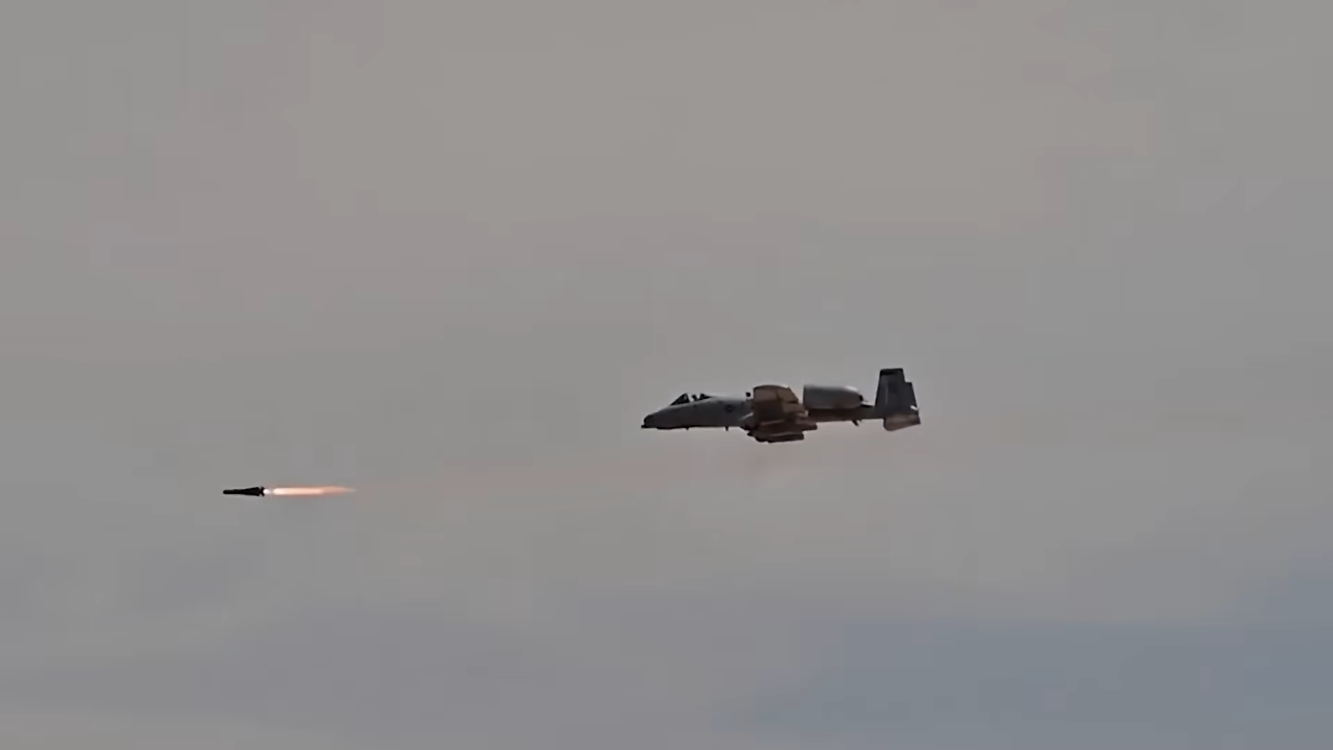
The A-10’s slow loiter speed, long endurance, and ability to operate near the ground could make it effective against propeller driven drones and unmanned surface craft. It does not carry its own radar, but it can rely on external sensors from fighters, ground stations, or pod mounted systems. These factors position the aircraft for a mission focused on drone interception if service life allows.
A Future Shaped by Retirement Decisions

The A-10’s potential as a drone hunter depends on how long it remains in service. Its recent upgrades show that it can still adapt to modern threats. Whether it continues flying into the 2030s depends on budget decisions and the Air Force’s plans for next generation aircraft. The Warthog was created for a different era but continues to evolve in ways that few expected.