Why the AIM-9 Sidewinder Growls and What That Sound Actually Means
The sound a Sidewinder makes when it locks onto a target is one of the most recognizable in military aviation. Fighter pilots hear it in their headsets during combat and training alike. The physics behind it are simpler than most people assume.
How the Seeker Works
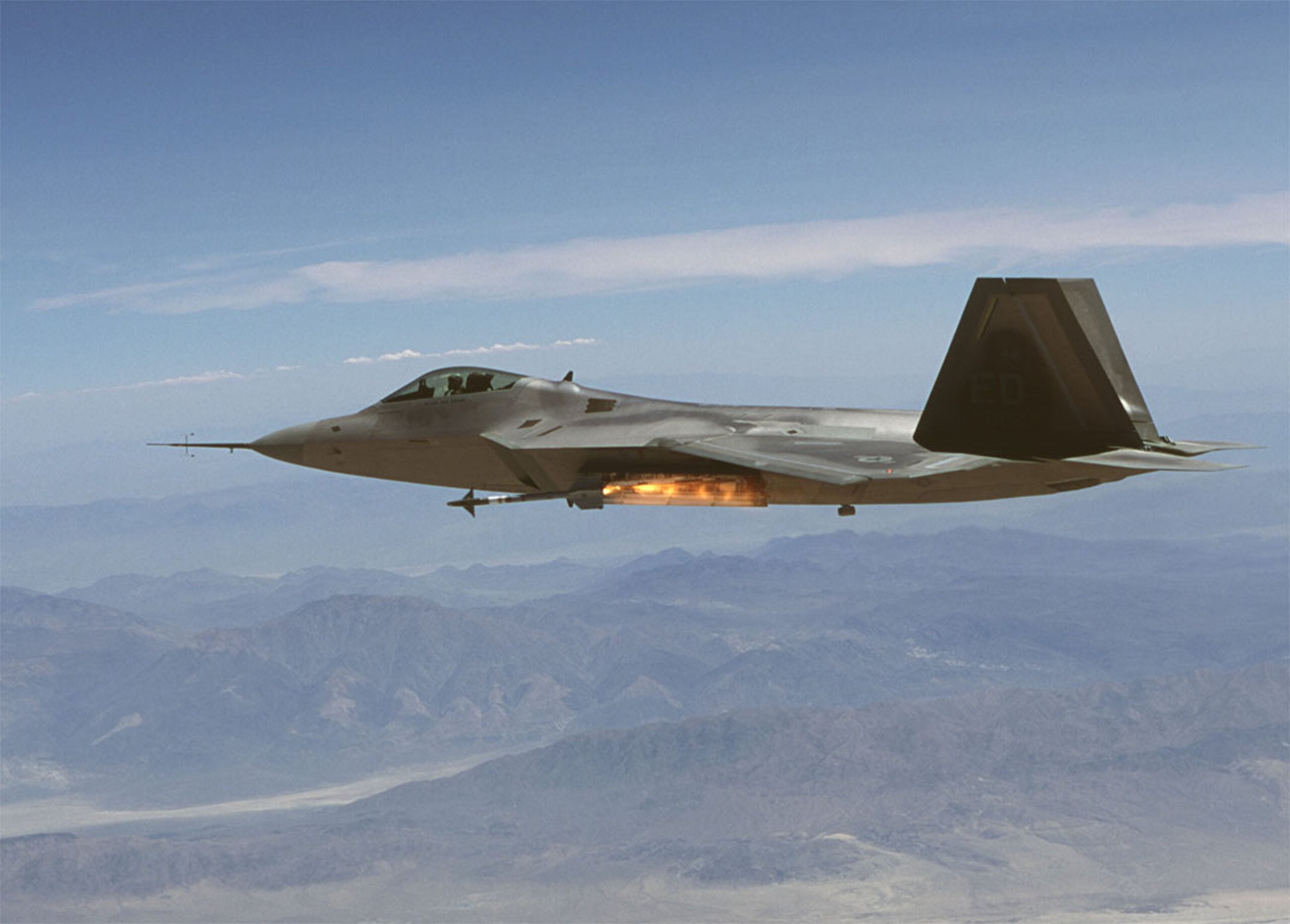
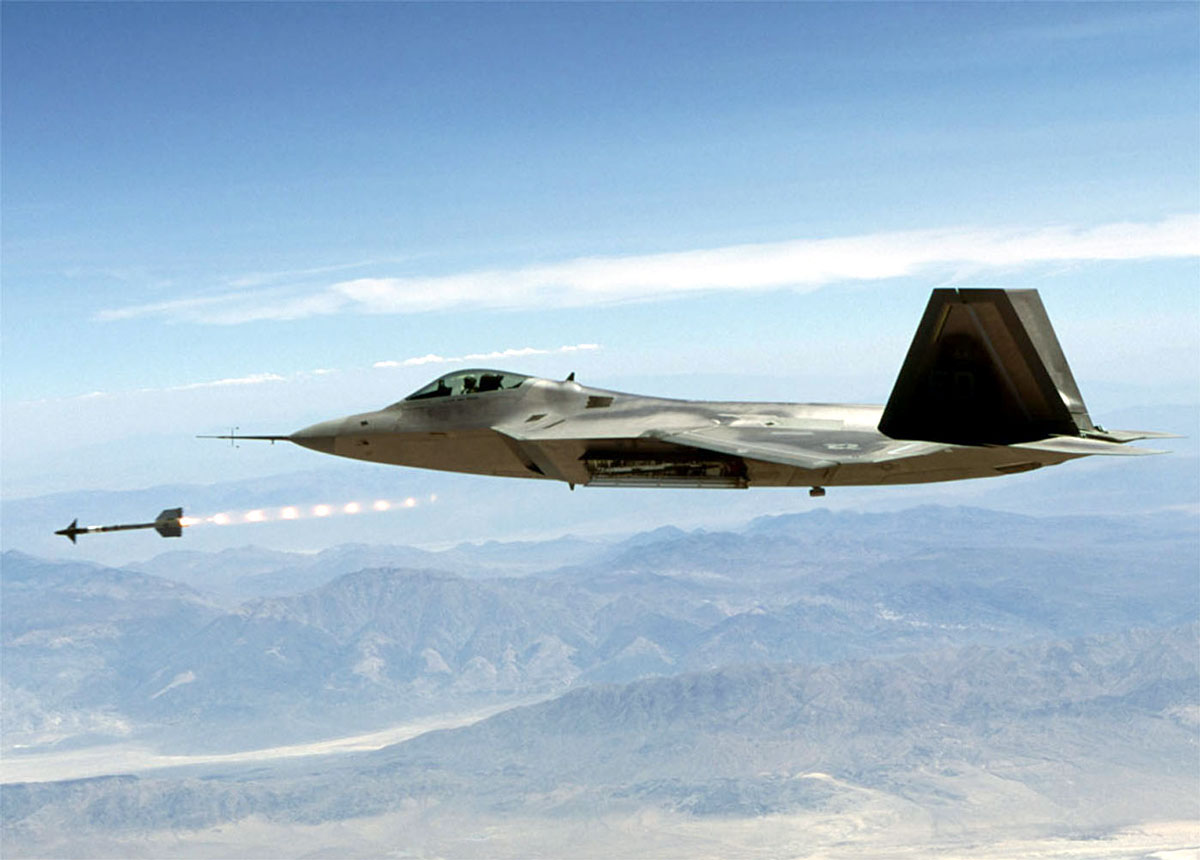
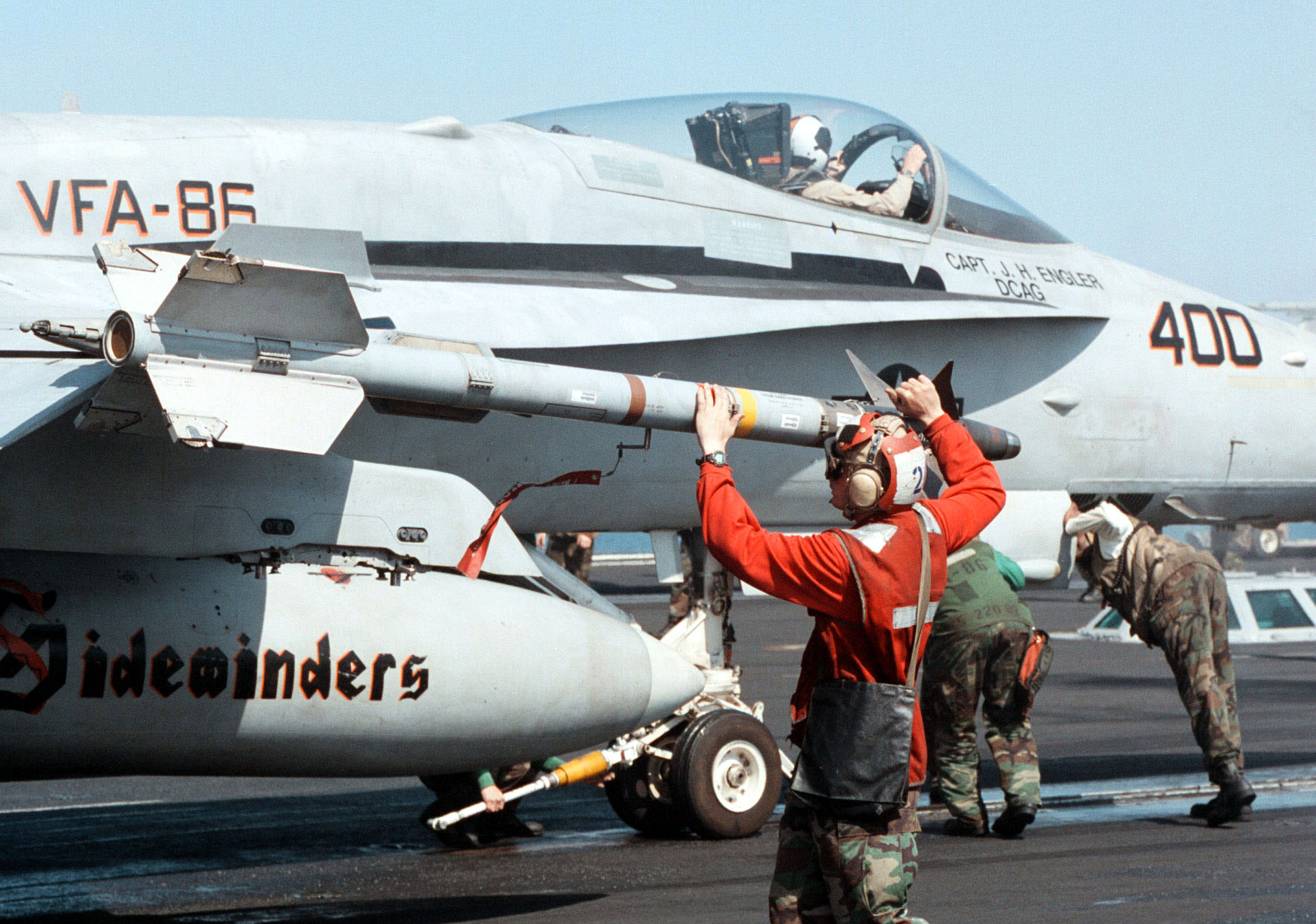
The AIM-9 Sidewinder uses an infrared seeker head to detect and track the heat signature of a target aircraft. Inside that seeker is a piece of photo-conductive material that generates a small electrical signal when it reacts to infrared light. The amount of signal it produces corresponds directly to how much infrared energy is reaching the sensor.
In front of that sensor sits a spinning infrared filter that rotates continuously. As the filter spins across the sensor’s field of view, it modulates the incoming infrared signal and turns what would otherwise be a steady electrical reading into a wave pattern. The frequency of that wave changes based on where the heat source sits relative to the center of the seeker’s field of view.
When the target is off-center or at the edge of the seeker’s tracking cone, the modulated signal produces a lower frequency wave. As the missile’s seeker tracks the target and centers on its heat signature, the target moves toward the optical center of the sensor and the signal modulation increases. The wave frequency rises.
Where the Sound Comes From
That electrical wave signal is converted into audio and fed to the pilot through the headset. A weak or off-center lock produces a low, slow tone. As the seeker centers on the target and confidence in the lock increases, the frequency rises and the tone sharpens into the distinctive high-pitched growl that pilots associate with a solid firing solution.
The pilot is literally hearing the infrared energy balance between the missile’s seeker and the target expressed as an audio frequency. A stronger lock sounds different from a weaker one because it genuinely is different in a measurable physical sense.