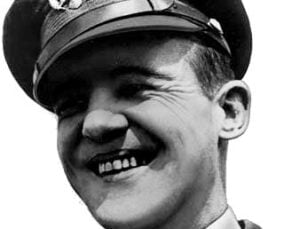
B-17 Co-Pilot John “Red” Morgan Throws a Fist at His Own Captain Mid-Air To Save The Crew While Enemy Fighters Swarm Around Them
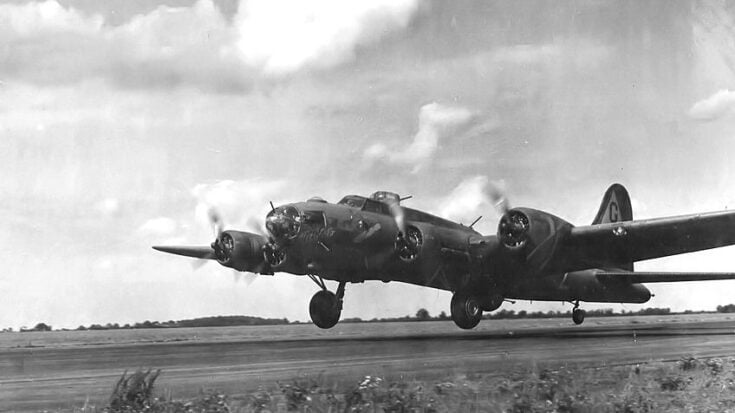
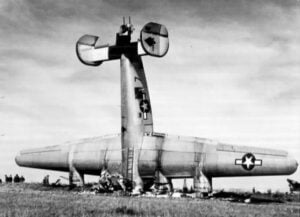
United States Army Air Forces, Public domain, via Wikimedia Commons
The Mission and the Attack
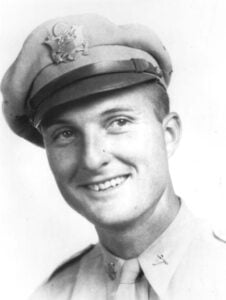
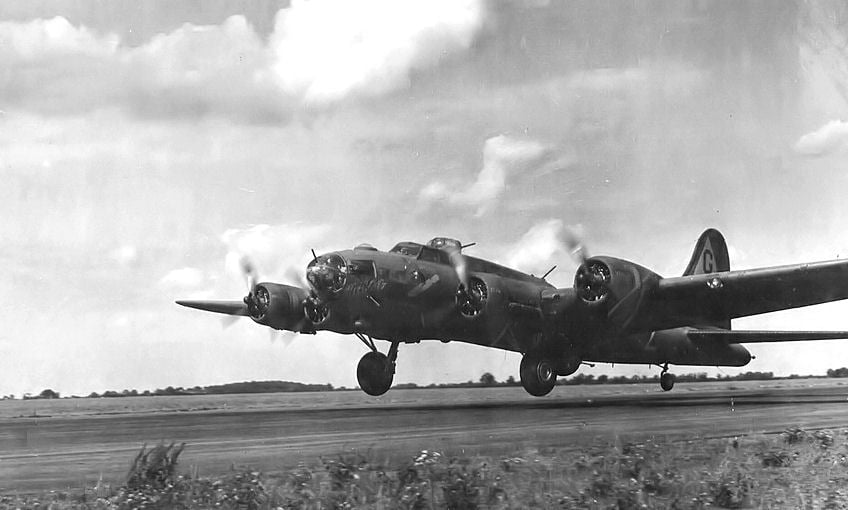
On July 26, 1943, a large force of U.S. Army Air Forces B‑17 bombers climbed into the sky over England for a daylight raid against targets in Hanover, Germany. One of these Flying Fortresses was named Ruthie II, crewed by men of the 326th Bomb Squadron. Among them was Second Lieutenant John Cary “Red” Morgan, serving as co‑pilot. Their bomber group was part of the Mighty Eighth Air Force, flying deep into enemy territory in broad daylight.
As they crossed the North Sea near the Dutch coast, German fighter aircraft — mainly Focke‑Wulf Fw 190s — swarmed toward the bomber formation. The sky filled with tracers and explosions as the enemy fighters struck before the bombers could reach their target. Ruthie II took heavy fire. A cannon shell shattered the cockpit windshield, and a machine‑gun round struck Captain Robert Campbell, the aircraft’s pilot, in the head. He slumped over the controls with grievous injuries.
Morgan, in the co‑pilot seat, was suddenly in command. The bomber was buffeted by enemy fire and badly damaged. The interphone was destroyed, meaning he could not call for help from the rest of the crew. Many of the rear gunners lost consciousness as oxygen lines were knocked out by the attack. Morgan knew that leaving the protection of the bomber formation would mean almost certain death, but he also faced another peril — his wounded pilot was still gripping the controls.
A Battle in the Cockpit
When Captain Campbell fell forward, his arms locked tightly on the flight controls and his mind was clouded by injury and shock. Morgan grasped the yoke from his side and pulled Ruthie II back into formation. But the wounded captain fought Morgan for control. In the chaos of combat and pain, Campbell reacted unpredictably, jerking the bomber and steering it off course.
Morgan tried to reason with him, but Campbell’s injury made listening impossible. The pilot struck out at Morgan, hitting him again and again even as the bomber shook under the continuing enemy assault. Blows to Morgan’s face and body did not stop him from keeping hold of the controls. The two men struggled physically in the small cockpit, trying to fly and wrest control of the aircraft under fire. It was a battle fought at 20,000 feet while German fighters swarmed around the formation.
Cockpit violence between comrades was not part of training, but in the desperate conditions of that day, it became necessary. For two hours, Morgan fought both the wounded captain and the bomber’s erratic flight. He kept Ruthie II aligned with the rest of the formation, never letting it fall behind where it could be isolated and destroyed. Meanwhile, other crewmen struggled with their own injuries and conditions, including the top turret gunner, Staff Sergeant Tyre Calhoun Weaver Jr., who lost an arm to enemy fire and was later helped to bail out of the damaged plane by the navigator.
Reaching the Target and the Return
Despite the internal struggle and ongoing fighter attacks, Morgan’s determination paid off. Ruthie II reached the target area over Hanover, and the crew dropped their bombs with the formation. Afterward, Morgan fought to bring the battered bomber back toward England, holding the aircraft steady with one hand and fending off the pilot’s resistance with the other until the navigator could assist in restraining Campbell.
As the damaged bomber approached friendly airspace, oxygen slowly became breathable for the unconscious gunners as the aircraft descended. One by one, they regained consciousness. Though Captain Campbell succumbed to his wounds shortly after landing at an RAF base, most of the crew survived.
Recognition and Later Life
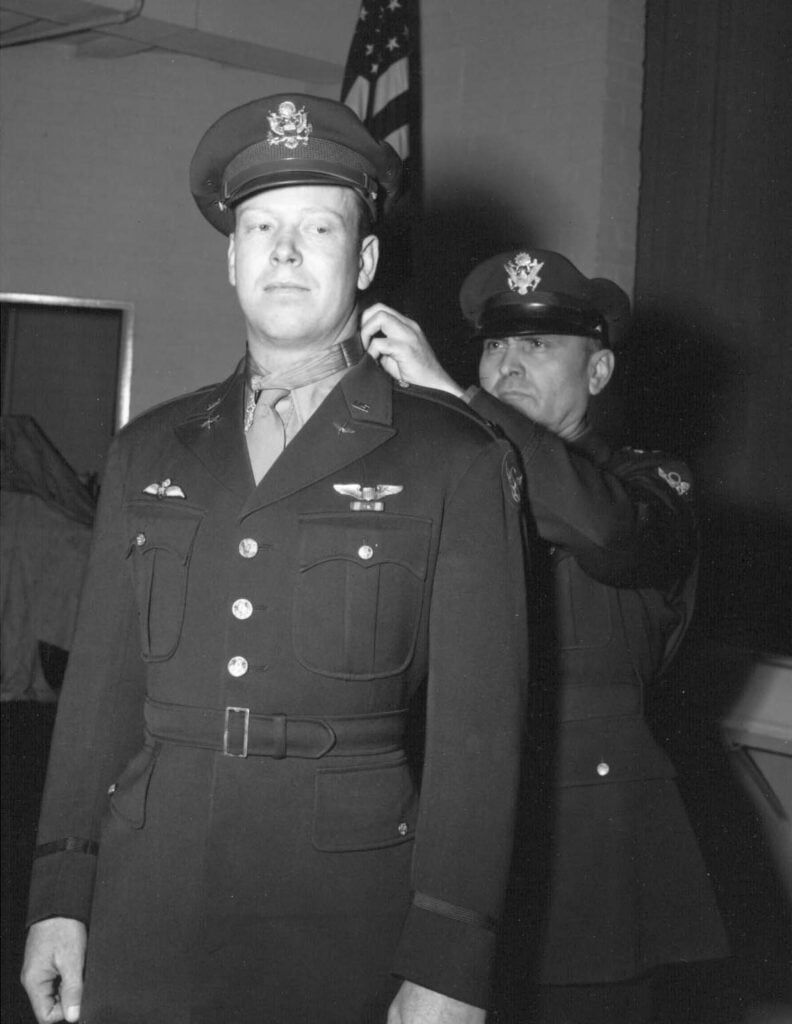
For his actions that day, Morgan was awarded the Medal of Honor on December 18, 1943, for extraordinary heroism under fire. His citation notes that he held Ruthie II in formation and complete the mission despite intense danger and physical struggle with the wounded pilot. After this mission, Morgan continued flying combat missions until he was shot down in March 1944, becoming a prisoner of war until May 1945. He survived the war, continued his Air Force career, and retired with the rank of lieutenant colonel.
Morgan’s story remains one of the most remarkable in U.S. Army Air Forces history, showing how courage and will can carry men through even the deadliest skies.