

Most Useless Japanese Guns of WWII
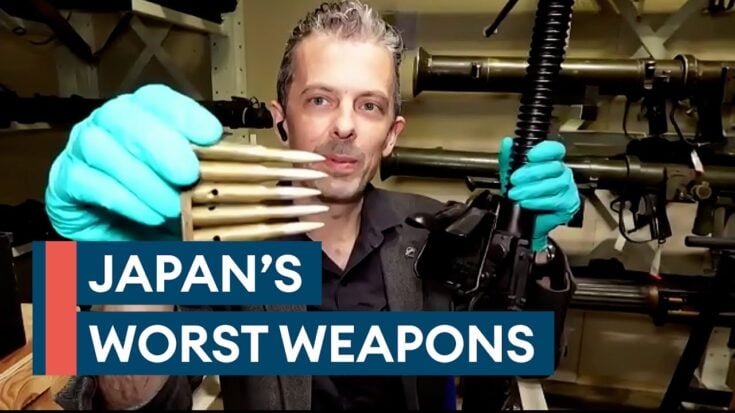
YouTube / BFBS Forces News
World War II produced enormous quantities of effective infantry weapons, but it also fielded designs that failed to meet the realities of modern combat. Some were technically interesting, others ambitious, yet their flaws limited battlefield value. Several Japanese small arms illustrate how design choices, ammunition limitations, and industrial strain combined to produce weapons that struggled to justify their service use.
Type 100 Submachine Gun

The Type 100 was Japan’s primary submachine gun, built around a simple open bolt, blowback system. Mechanically, it was competent and not as crude as the British Sten. It featured a relatively clean disassembly system and an aperture rear sight, even if that sight was optimistically graduated to 600 meters.

Its core problem was ammunition. The 8 mm Nambu cartridge was underpowered by 1940s standards, producing weak terminal performance and limiting reliability margins in an automatic weapon. Other nations adopted hotter 9 mm loads specifically to ensure dependable cycling. The Type 100’s cartridge left it at a disadvantage in close combat, where submachine guns were supposed to dominate. The early bayonet mounting further added weight and complexity without offering practical value in typical submachine gun engagements.
Type 11 Light Machine Gun
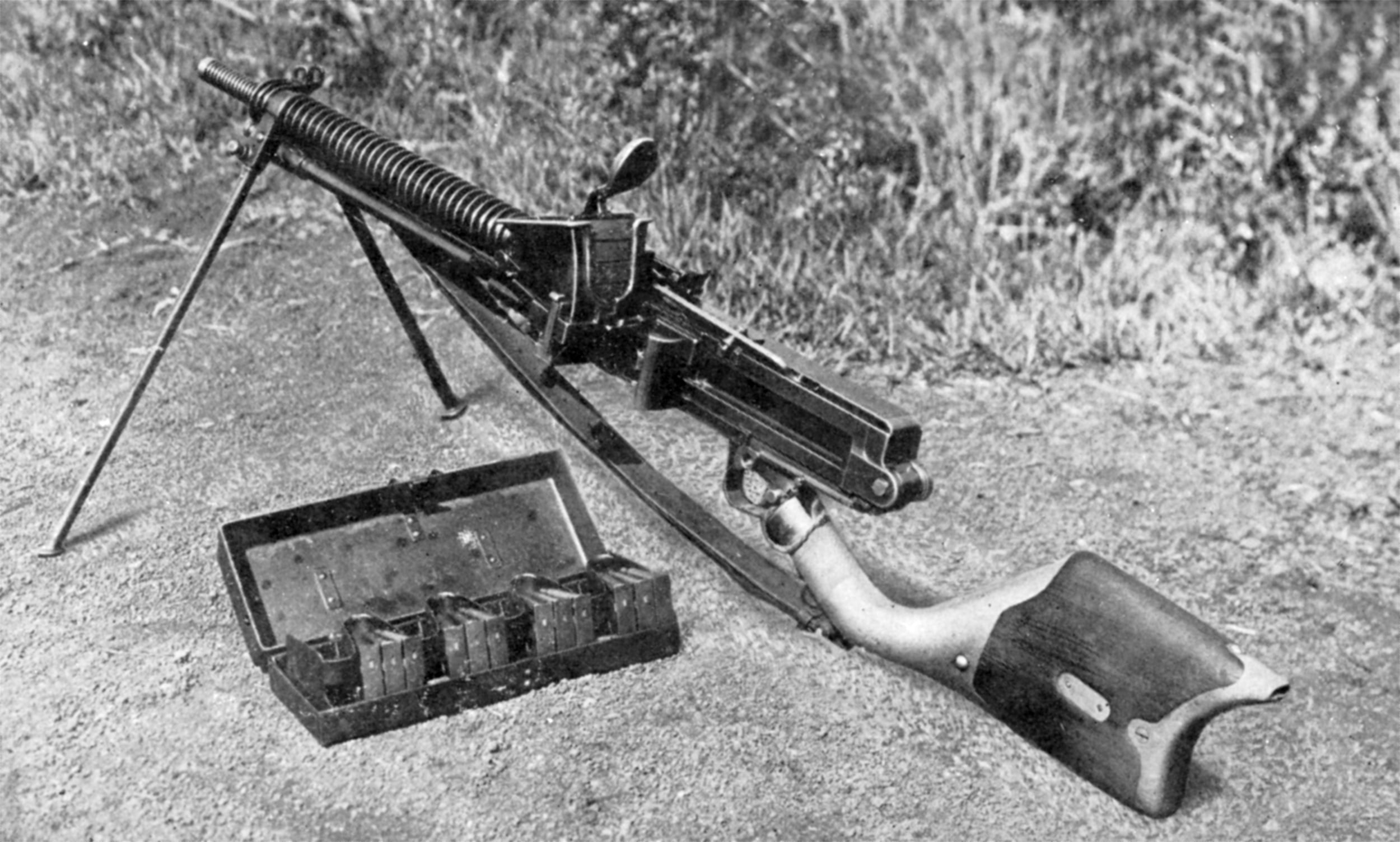
Introduced in 1922, the Type 11 represented an early attempt to define what a light machine gun should be. It used a long stroke gas piston and a heavy barrel to manage heat, but its most distinctive feature was its hopper feed system. Instead of a detachable magazine, it accepted five round rifle clips directly from standard infantry ammunition, feeding them horizontally into the action.

In theory, this simplified logistics. In practice, it introduced reliability concerns. The mechanism had to strip rounds from clips, eject empty clips, and maintain consistent feed pressure. Dirt, damage, or worn clips could disrupt the entire process. The offset sights and stock compensated for the feed system but resulted in awkward ergonomics. By the late 1930s, more conventional magazine fed designs rendered the Type 11 obsolete.
Type 94 Nambu Pistol

The Type 94 was intended as a compact sidearm for vehicle crews and airmen. It was smaller than earlier Japanese pistols but suffered from questionable design decisions. Most notably, it featured an exposed sear bar on the side of the frame that could release the firing mechanism if pressed.

Although it had a manual safety and required improper handling to discharge unintentionally, the design violated contemporary safety expectations. US ordnance evaluators considered it hazardous, and its reputation suffered accordingly. Declining manufacturing quality late in the war further reduced confidence in the weapon.







