

B-2 Stealth Bombers Just Did Something HUGE In Iran
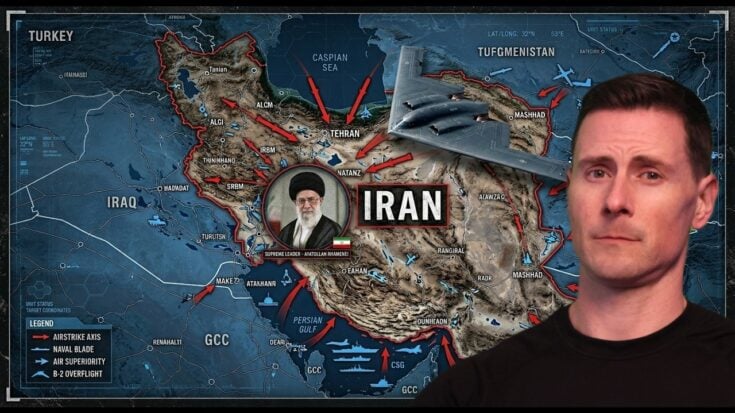
YouTube / Max Afterburner
On the night of February 28, 2026, four to six B-2 Spirit stealth bombers departed Whiteman Air Force Base in Missouri and disappeared into the dark. Thirty-six hours later, Operation Epic Fury had decapitated the Iranian regime, gutted its nuclear infrastructure, and left the Islamic Revolutionary Guard Corps scrambling for a response it couldn’t organize. The man at the center of that chaos, Ayatollah Ali Khamenei, was confirmed dead by the Trump administration the following day.
How the B-2 Got There
The UK declined to offer forward basing at RAF Fairford, forcing the mission to run direct from the continental United States. It didn’t matter. The B-2 was built for exactly this kind of unassisted intercontinental strike. KC-135 and KC-46 tankers supported the aircraft across the Atlantic and Mediterranean, tracked in part through publicly visible flight data. The bombers didn’t need a closer runway. They needed stealth, endurance, and the right weapons, and they had all three.

F-22 Raptors carved silent corridors ahead of the B-2s, suppressing Iranian radar and communications without tipping off IRGC personnel who might have warned the Iranian Leader in time for him to disappear into the network of tunnels beneath Tehran. Speed of execution was critical. Any warning and the mission’s primary target would have been gone.
What They Hit
Iran’s most fortified nuclear sites, Fordow and Natanz, were struck with GBU-57 Massive Ordnance Penetrators. Each bomb weighs 30,000 pounds, penetrates over 200 feet of hardened earth and concrete, and impacts at speeds exceeding 800 mph. Each B-2 can carry two. The goal at those sites was total destruction, collapsing the facilities from within rather than simply damaging their entrances.

The strike on the leadership compound required a different approach. The GBU-57 is designed for deeply buried hardened targets. Against a surface compound, it is far more than necessary. GBU-31 Joint Direct Attack Munitions, 2,000-pound precision-guided bombs with selectable penetration capability, were more likely the weapon of choice for the palace complex.

The Broader Strike Package
Naval assets fired more than 38 Tomahawk cruise missiles to open corridors and suppress Iran’s integrated air defense network before the bombers arrived. F-35Cs and F/A-18E/Fs launched continuously from the USS Abraham Lincoln in support of the campaign. AGM-88 HARM anti-radiation missiles and JASSM standoff weapons handled surviving radar installations and surface-to-air missile batteries.

Israel committed 200 aircraft to the operation, including F-35I Adirs, F-15s, and specialized electronic warfare jets. US Central Command’s Task Force Scorpion debuted the Locus one-way attack drone in combat for the first time, an upgraded derivative of Iran’s own Shahed-136 design turned against its originators.







