Why the LaGG-3 Earned One of Aviation History’s Darkest Nicknames
Shadows of War / YouTube
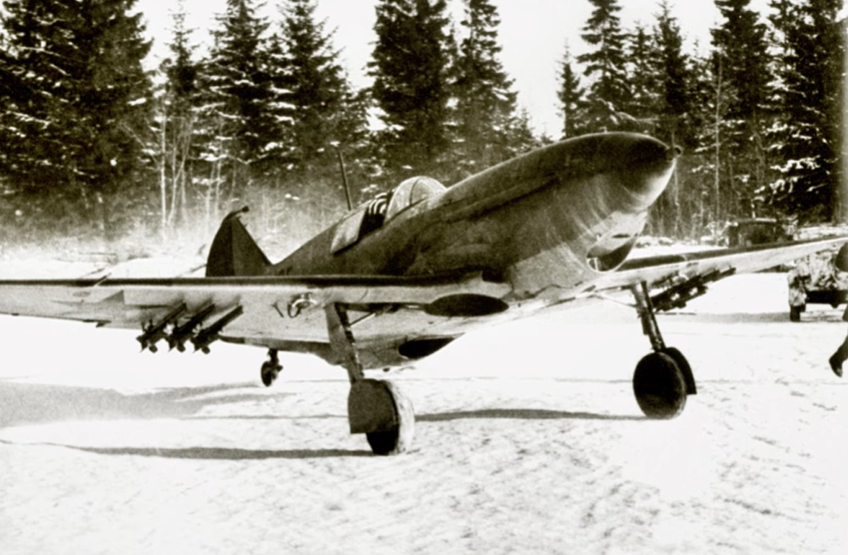
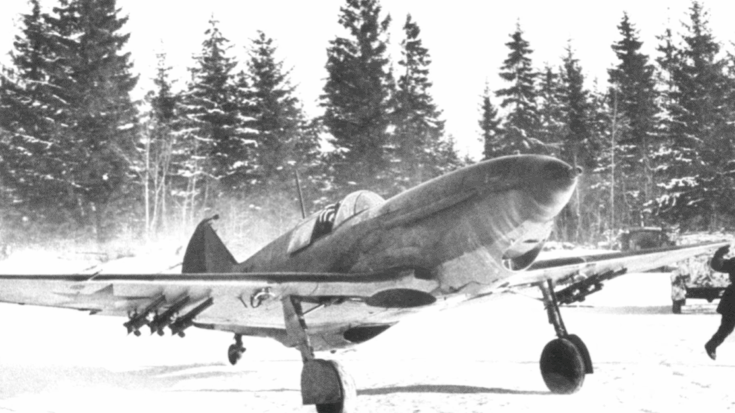
In 1941, as German forces advanced into Soviet territory during Operation Barbarossa, young fighter pilots rushed toward aircraft that were expected to defend their homeland. Among them was the LaGG-3, a new fighter designed to strengthen the Soviet Air Force at a moment of crisis. On paper, it represented modern engineering and rapid innovation. In reality, many pilots soon discovered that flying it could feel as dangerous as facing the enemy itself.
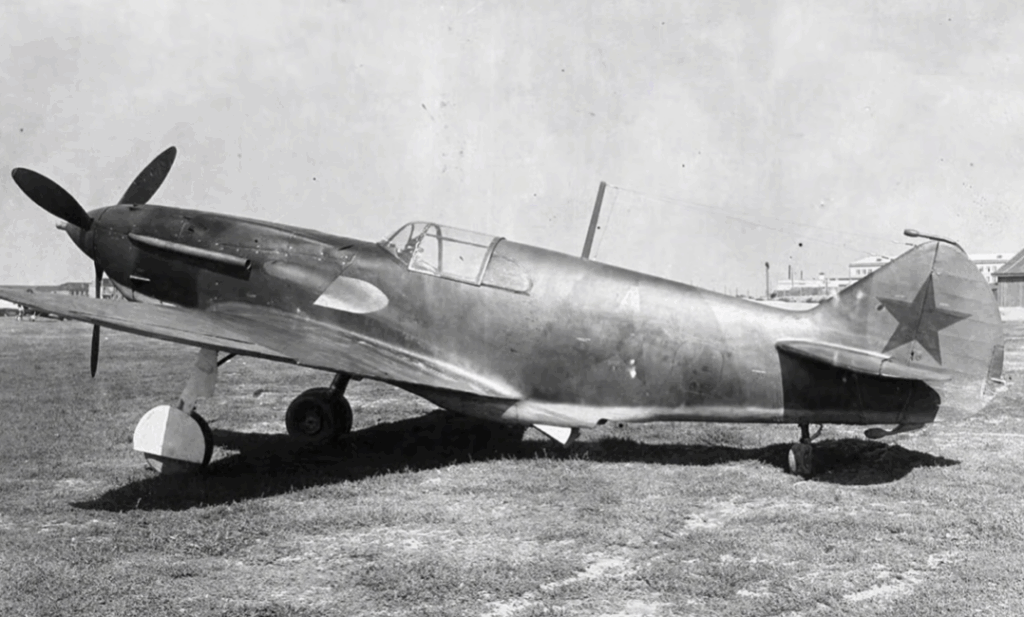
The aircraft quickly gained a grim reputation among crews. Soviet aviators gave it the nickname “guaranteed lacquered coffin,” reflecting both its glossy wooden finish and the risks pilots believed they faced in combat. Understanding how this aircraft earned such a name requires examining wartime shortages, design compromises, and the harsh conditions of early Eastern Front air battles.
Built from Necessity and Limited Resources
During the late 1930s, Soviet leadership pushed for rapid modernization of military aviation. However, a serious shortage of duralumin, the lightweight metal widely used in aircraft construction, forced engineers to find alternatives. Designers Semyon Lavochkin, Vladimir Gorbunov, and Mikhail Gudkov responded by creating a fighter built largely from treated wood rather than metal.
Their solution was a material called delta wood, formed by pressing layers of birch veneer with synthetic resin under heat and pressure. Engineers hoped it would match metal strength while conserving scarce resources. The polished surface gave the aircraft its lacquer-like appearance. Early tests suggested promise, but large-scale wartime production exposed weaknesses. Manufacturing quality varied between factories, and environmental stress often caused the material to deteriorate over time.
Performance Problems in Combat
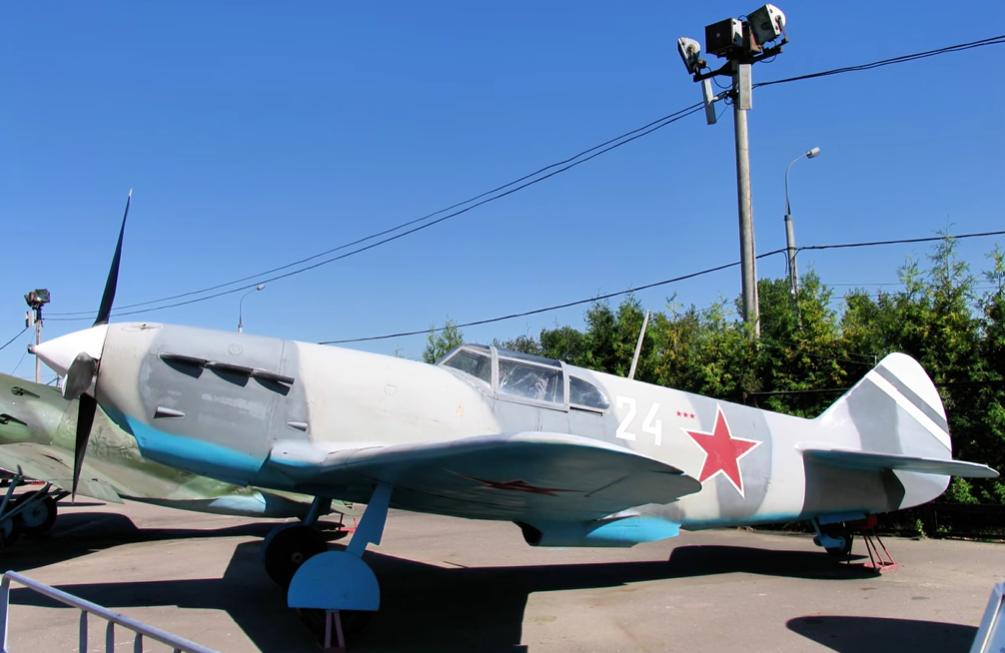
The LaGG-3’s greatest flaw was weight. The wooden structure proved heavier than expected, and production models gained additional reinforcement that increased mass further. Compared with the lighter Yak-1 fighter, the LaGG-3 could weigh nearly 300 kilograms more. Its Klimov M-105P engine, producing about 1,050 horsepower, struggled to deliver adequate performance.
Pilots reported slow climb rates, limited acceleration, and reduced maneuverability. Against German fighters such as the Messerschmitt Bf 109, which climbed faster and turned more easily, the LaGG-3 often entered combat at a disadvantage. Sudden maneuvers sometimes caused dangerous spins that were difficult to recover from, especially at low altitude. These handling issues contributed heavily to the aircraft’s reputation among frontline crews.
Pilot Experience and Battlefield Reality
Accounts from Soviet pilots reveal growing frustration. Veteran pilot Viktor M. Sinitsyn later described the aircraft bluntly, saying, “It was an unpleasant customer.” Others referred to it as a “flying brick” or a “piano with wings.” Such remarks reflected daily operational stress rather than exaggeration. Pilots faced enemy aircraft while also managing machines that demanded constant caution.
The fighter did possess strengths. Its heavy wooden frame could absorb significant battle damage, allowing some aircraft to return safely despite hits that might destroy lighter designs. The LaGG-3 also carried strong armament, typically a 20 mm cannon supported by machine guns. Yet firepower meant little if pilots struggled to position themselves effectively during combat engagements.
Transformation into Something Better
Despite its troubled service record, the LaGG-3 laid the foundation for improvement. In 1942, Lavochkin’s design bureau replaced the underpowered inline engine with the more powerful Shvetsov ASh-82 radial engine, producing roughly 1,700 horsepower. This redesign created the La-5 fighter, which transformed the airframe’s performance.
The stronger engine improved speed, climb rate, and handling, allowing the aircraft to compete effectively at low and medium altitudes. What had once been criticized became a solid base for a successful design. The La-5 later evolved into one of the Soviet Union’s most effective wartime fighters, showing how adaptation under pressure shaped aviation development during the conflict.