The Real Reason B-52s Have Ripples in Their Skin
YouTube / armedstories
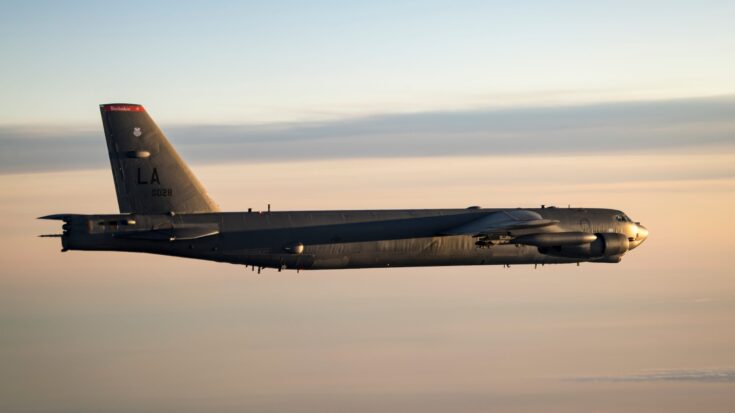
At first glance, American B-52 bombers appear worn and uneven, with visible ripples running along the fuselage. In contrast, many Russian bombers present a smooth, clean exterior. The difference comes down to engineering philosophy, not age.

The B-52 Stratofortress was designed in the 1950s with extremely thin aluminum skin panels to reduce weight and maximize range. These panels flex under aerodynamic stress, especially as the massive wings shift in flight. The wings can move up to 17 feet between ground position and full aerodynamic load. As the structure bends, the thin skin forms visible ripples known as “beauty wrinkles.” They are a normal feature of the aircraft’s lightweight construction.

Soviet bombers such as the Tupolev Tu-95 followed a different approach. Designers favored thicker metal skins and stronger load distribution across the airframe. The Soviet Union also made extensive use of titanium in certain programs during the Cold War, improving structural rigidity and reducing visible buckling.
The result reflects two distinct strategic priorities: American emphasis on weight savings and range, and Soviet emphasis on structural stiffness and durability.