

WWII Naval Losses (1944): Japanese ‘Betty’ Bomber Torpedoes USS Intrepid and Forced Out of Combat for Months
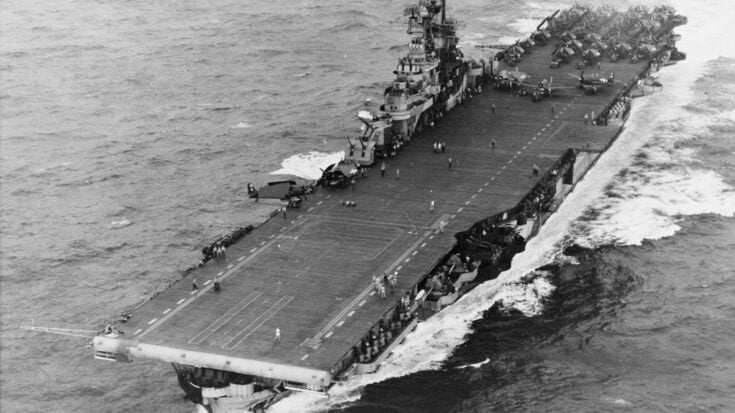
Naval History & Heritage Command, Public domain, via Wikimedia Commons
In early 1944, the United States Navy began a large offensive against key Japanese bases in the Pacific. One of the chief targets was Truk Atoll, a major anchorage in the Caroline Islands where Japanese warships and supply vessels were concentrated. In February, Task Force 58 sailed into position to attack Truk with aircraft from its carriers. These strikes sought to damage enemy ships, aircraft, and facilities so that American forces could move farther across the Pacific with less danger.
Among the carriers in this group was the USS Intrepid (CV‑11), a newly commissioned Essex‑class aircraft carrier. On February 16, her aircraft joined in the day’s raids, flying strikes against installations and shipping at Truk. These early attacks succeeded in damaging enemy positions and sinking smaller vessels. However, danger did not end when the sun went down. In the night hours that followed, the carrier fell victim to a sudden and deadly counterattack.
The Night Attack on Intrepid
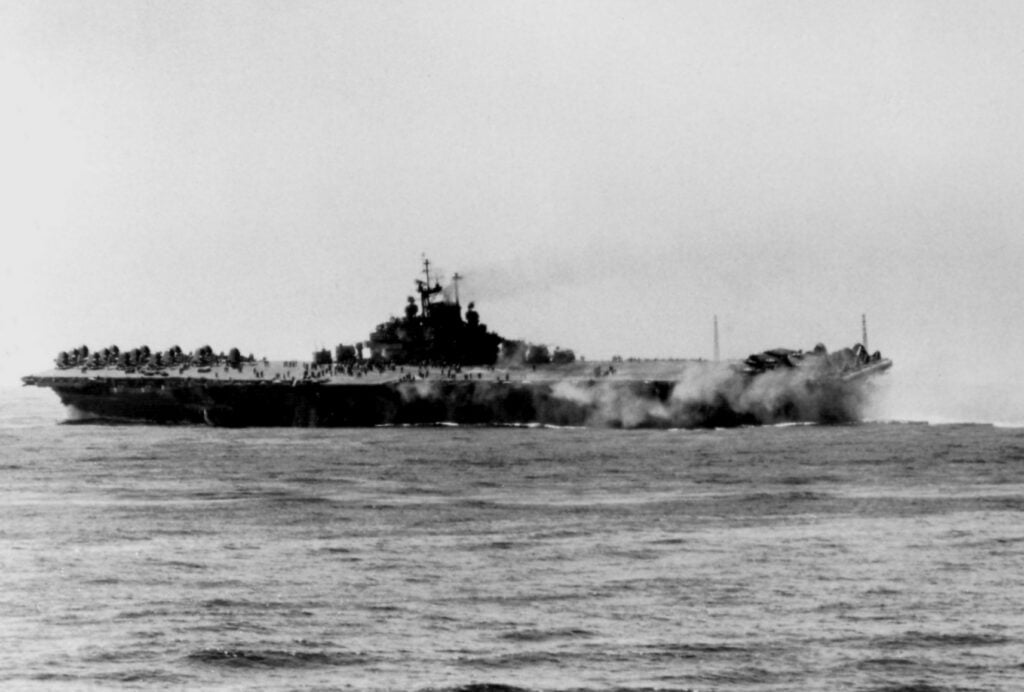
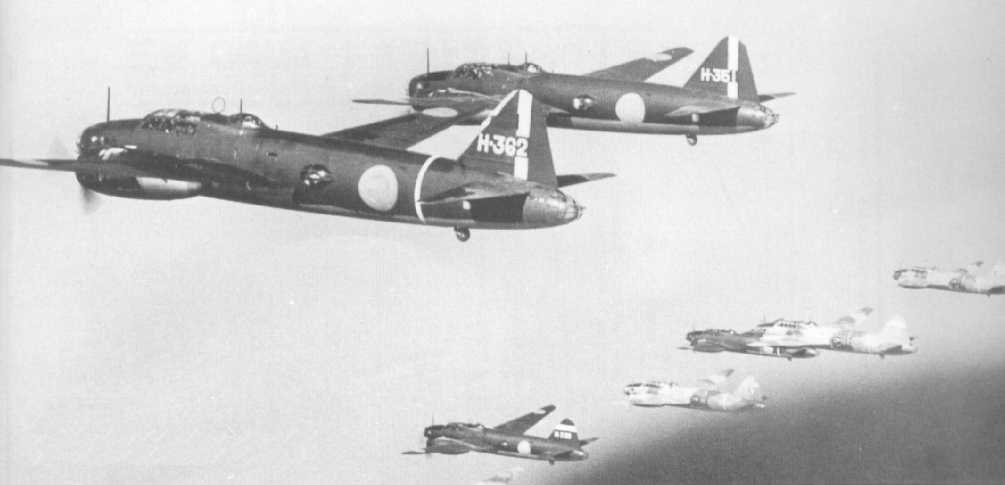
Late on February 17, a lone Japanese bomber managed to slip past the protective screens of destroyers and cruisers that surrounded Task Force 58. The plane, identified by U.S. crews as part of the enemy’s night attack force, carried a torpedo and sought to strike the American carriers before they could withdraw or resume operations. As darkness settled, the bomber approached the formation and released its weapon toward the USS Intrepid.
The torpedo struck the Intrepid on her starboard quarter about 15 feet below the waterline. The blast caused a violent shock that shook the ship and flooded several compartments near the stern. Most critically, the explosion jammed the rudder to port, making it impossible for the carrier to steer in the normal way. The ship pitched and rolled, and eleven sailors lost their lives in the blast and in flooded spaces. Several more were wounded as water rushed into the hull and machinery rooms were affected.
Immediate Response and Damage Control
When the torpedo hit, alarms sounded throughout the ship and crew members rushed to their stations. Damage control teams set to work immediately to slow the flooding, shore up bulkheads, and keep essential power systems running. Firefighting units checked for sparks and electrical shorts that might start new blazes in flooded compartments. Meanwhile, officers reported to the bridge to assess the carrier’s steering problems and consider how to keep her on course.
With the rudder jammed in one position, the Intrepid could not be steered by usual methods. Captain Thomas L. Sprague consulted with his engineering officers, and they devised a way to control the ship’s heading using the engines. By running the port propeller at high speed while idling the starboard screw, they were able to counteract the rudder’s effect and force the ship to make headway in a roughly forward direction. This technique required careful balance and constant adjustment to keep the carrier from veering off course.
Improvising Steering at Sea
For two days following the attack, Intrepid fought to maintain a steady course. Weather conditions and sea state could upset her progress, and the improvised steering method demanded intense concentration from the engineering and bridge teams. At one point, strong winds overpowered their engine balancing technique, causing the ship to turn uncontrollably. The crew then tried another unusual method: they fashioned a makeshift sail from canvas and hatch covers. With the wind filling this improvised gear, they guided the carrier more steadily toward home waters.
During this period, the ship’s crew continued repair work below decks, patching damaged bulkheads, and ensuring that flooded compartments were sealed off from unaffected areas. The engineers became adept at managing the complex interplay of engines and wind, keeping Intrepid in motion despite the damage she had suffered. From the bridge to the engine rooms, sailors worked long hours with little rest, knowing that any loss of power or misstep could leave their ship adrift.
Voyage to Safety and Repair
By February 24, the carrier had reached Pearl Harbor, a major naval base where further repairs could be made. There, workers conducted temporary fixes to the hull and steering systems so that Intrepid could make the longer transit to a naval shipyard on the U.S. West Coast. In mid‑March, she arrived at the Hunters Point Naval Shipyard in San Francisco, where permanent repairs were carried out. These included restoring the rudder, reinforcing hull sections, and ensuring that the carrier could return to full operational status.
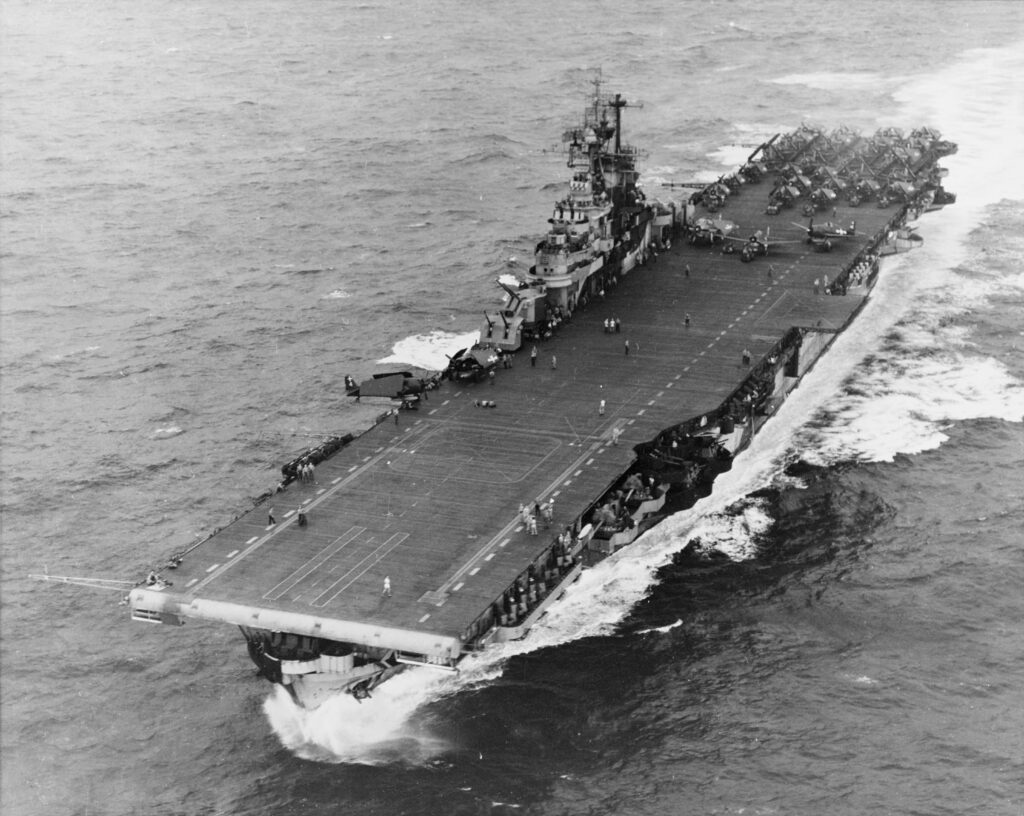
Because of the torpedo hit and the extensive repairs needed, Intrepid was out of combat for several months. She missed many of the later actions in the Marshalls and early Marianas campaigns. When she finally returned to the fleet, she would continue to play a role in strikes across the Pacific, helping to support amphibious landings and carrier raids that pushed closer to the Japanese home islands.
Service After the Torpedo Strike
The men who survived the torpedo attack remembered the night as one of fear, confusion, and determination. Sailors who fought flooding below decks, and those who served on the bridge managing the damaged ship, recalled how teamwork and quick thinking kept the Intrepid from sinking. Although 11 lives were lost in the strike, the vessel itself remained afloat and under control, a credit to the efforts of those who refused to let her founder.
When the ship resumed action later in the war, she would take part in major battles across the Pacific, and her air groups would continue to carry out strikes against strategic targets. The torpedo attack of February 1944 had taken Intrepid out of combat for months, but it did not end her service. Like many ships of the U.S. Navy in World War II, she survived great danger and continued to fight until the final year of the war.

_operating_in_the_Philippine_Sea_in_November_1944_(NH_97468).jpg)
_listing_1945.jpeg)