


The Story of the Black Cat Squadron Regarded as a Secret Weapon in WWII
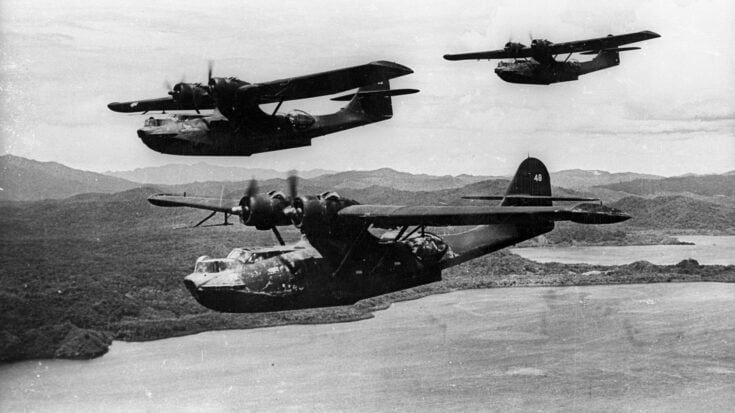
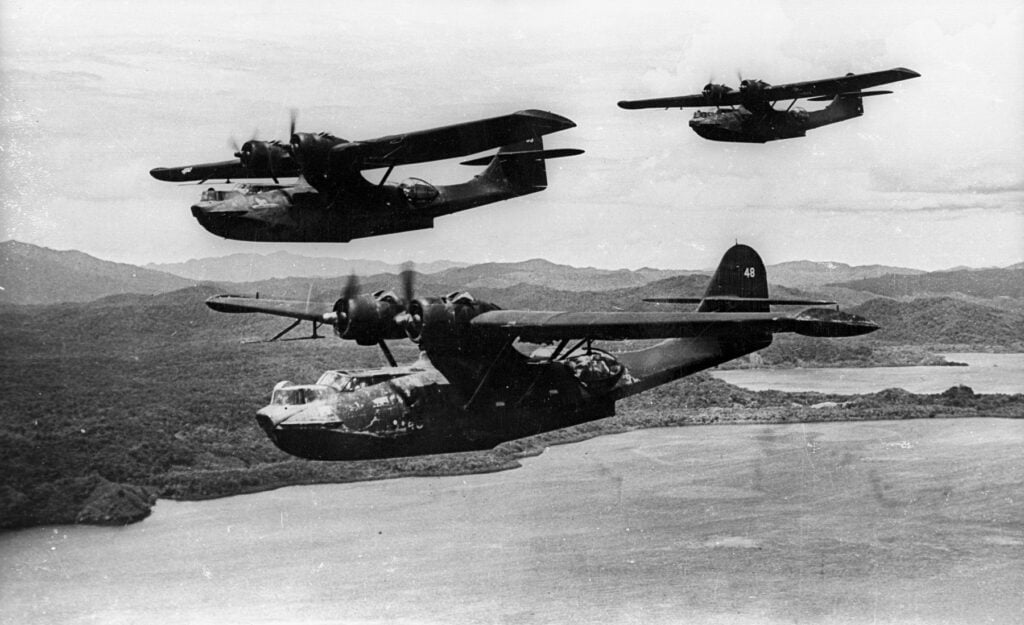
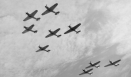
USN, Public domain, via Wikimedia Commons
During World War II, the waters of the South Pacific were among the most dangerous in the world. American pilots flew close to enemy-held islands, often under the cover of darkness, to avoid detection. Among these pilots were the members of the PBY Black Cat Squadron. These men and their aircraft became famous for their night missions, using stealth and strategy to attack enemy ships and support allied forces. Painted matte black for camouflage, the Black Cats proved that even a slow, heavy plane could become a weapon of precision when used skillfully.
The Origins of the Black Cats
The name “Black Cats” was officially adopted on October 30, 1942. It referred to nighttime operations carried out by PBY aircraft over the South Pacific. These planes were modified to operate under the cover of night, allowing them to attack targets, scout enemy positions, and carry out rescue missions without being seen. The PBY aircraft became known as hunters and suppliers, able to reach remote islands while performing both combat and support roles.
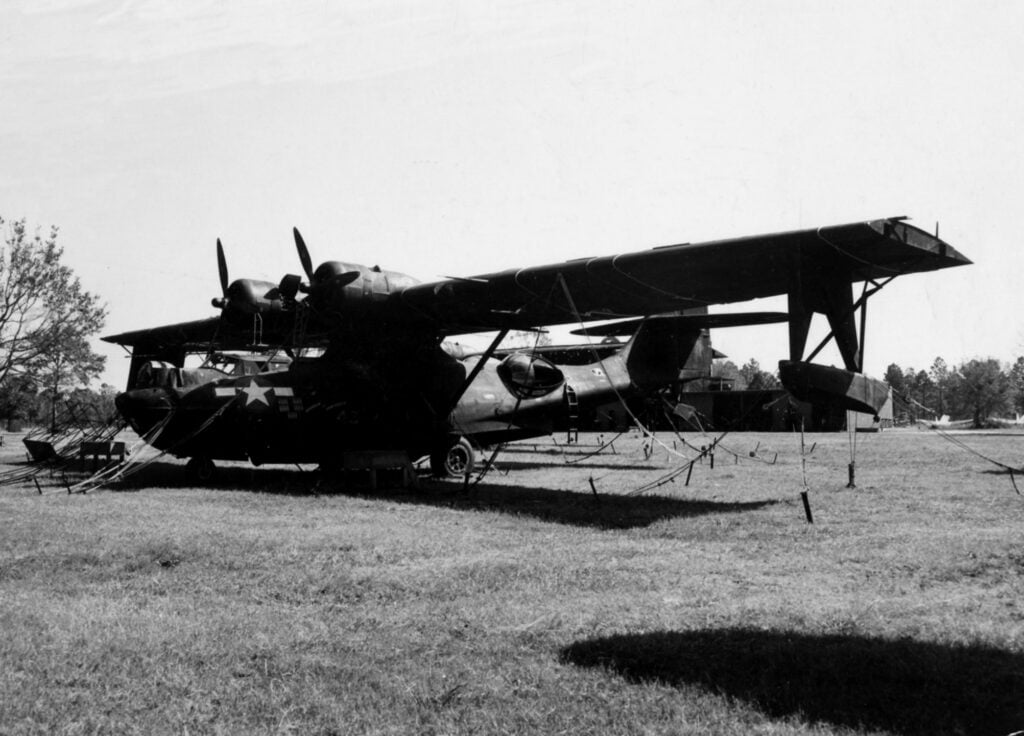
Despite their size and slower speed, the PBY aircraft were effective in the night sky. The matte black paint made them almost invisible against the darkness, while their crews carefully planned attacks to avoid exposure. Each plane could carry torpedoes weighing over two thousand pounds, demanding exact calculation from pilots and crews to strike enemy ships. The missions were dangerous, requiring skill and courage, but they proved highly effective. The Black Cats earned many commendations for their service, a recognition of both their creativity and bravery.
The First Squadrons
The first official Black Cat squadron was VP-12. Previously designated VP-24, the squadron was reformed on August 1, 1941, at NAS Ford Island in Pearl Harbor. On December 7, 1941, Japanese forces attacked Pearl Harbor, and much of the fleet was either out at sea or damaged. VP-12, fueled by a sense of duty, relocated to NAS Kaneohe and began patrolling Hawaiian waters. Later, detachments operated around Midway Island, providing both reconnaissance and offensive operations.
The squadron’s early missions around Guadalcanal showcased their versatility. They carried out attacks against enemy ships, assisted in rescue operations, and provided critical intelligence for Allied forces. The Black Cats’ contributions in these waters helped shape the outcome of naval operations in the Pacific and ensured that small, heavily armed enemy units could be challenged even in remote locations.
Legacy of the Black Cats
In later years, the bravery and ingenuity of the Black Cats have been commemorated in various ways. Modern tributes include apparel and memorabilia honoring the original squadrons. VPB-24, VPB-71, VPB-44, and VP-12 have all been recognized with logos and jackets, keeping the memory of their service alive. These items symbolize the skill and precision of the aircrews who operated under extreme conditions.
The PBY Black Cats were more than just a squadron; they were a symbol of adaptation and clever strategy during a difficult war. By using darkness to their advantage, they turned a heavy, slow aircraft into an effective weapon. Their missions required careful planning, precise execution, and courage in the face of danger. Today, their story reminds us of the innovations and risks that shaped air operations in the Pacific theater.
The Black Cats’ work remains a significant chapter in U.S. military history. Their combination of strategy, skill, and bravery made them one of the first truly specialized nocturnal squadrons. Even decades later, historians and enthusiasts study their operations for insight into early aerial tactics and the ways small innovations can have a major impact in war. The Black Cats proved that determination and clever use of resources could overcome seemingly impossible challenges.