Rejected Marine Pilots Who Became the Most Feared Squadron in the Pacific
YouTube / WW2 DOCUMENTARY HUB
A Squadron No One Wanted
On the morning of September 16, 1943, 27 Marine pilots stood on a dirt strip at Munda in the Solomon Islands, waiting for orders. They were not a carefully selected unit. They were pulled from hospital wards, replacement pools, and disciplinary lists across the Pacific. Some had combat experience, many did not, and several had been passed over repeatedly by other commanders. The Marine Corps needed pilots for the coming push against Rabaul, and this group was assembled because no one else would take them.

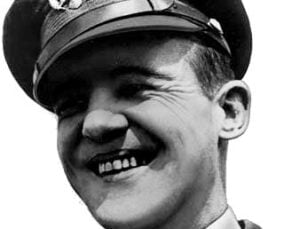
Their commander was Gregory Boyington, a 31-year-old major whose reputation nearly matched theirs. Older than most fighter pilots, burdened by debt, court-martial trouble, and a history of heavy drinking, Boyington had returned from flying with the American Volunteer Group in China carrying unrecognized combat claims and little trust from Marine leadership. Giving him command of a squadron made up entirely of other outcasts was a gamble born of necessity.

Learning to Survive in the Corsair
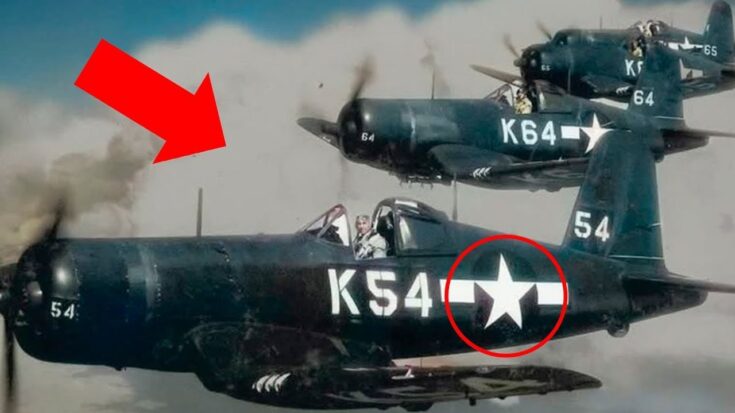
The unit was designated Marine Fighting Squadron 214. Boyington’s preferred nickname was rejected, and the squadron became known as the Black Sheep. They had less than four weeks to train before combat. Their aircraft was the F4U Corsair, fast and heavily armed, but unforgiving to careless pilots. Landing accidents were common, and the aircraft demanded strict discipline at low speeds.

Boyington focused on tactics that emphasized teamwork over individual glory. Two-plane elements became the foundation of every fight. Pilots were trained to use speed, altitude, and coordinated attacks, never turning with Japanese fighters and never fighting alone.
Proving Themselves Over Rabaul
VMF-214 flew its first combat mission on September 16, escorting bombers over Japanese-held airfields. They returned without losses and with confirmed victories. From that point forward, the Black Sheep were rarely off the schedule. Escort missions, fighter sweeps, and long flights to Rabaul followed one another with little rest.

Over the next 84 days, the squadron flew into some of the most heavily defended airspace in the Pacific. They faced experienced Japanese pilots, harsh weather, and exhausting flight distances. Losses came, but so did results. By the end of their tour, VMF-214 was credited with 94 confirmed enemy aircraft destroyed and 32 probable kills. Nine of its pilots became aces.
A Reputation Earned in Combat
Boyington was shot down and captured in January 1944, presumed dead by the Marines he left behind. The squadron continued on without him, its reputation already secure. What began as an experiment built from misfits became one of the most effective fighter units of the Pacific War.

The Black Sheep were mocked before they flew. Their record ensured they were never dismissed again.