Inside the Me 163 Komet
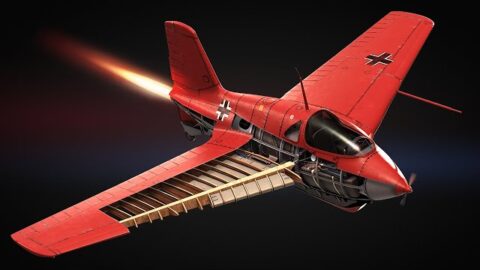
YouTube / Blue Paw Print and Yarnhub
The Messerschmitt Me 163 Komet stands alone in aviation history as the only rocket-powered fighter ever to see combat. Born from desperate wartime innovation, it shattered expectations when its prototype became the first aircraft to exceed 1,000 km/h in level flight. But this breathtaking speed came at a cost, less than ten minutes of powered flight before the aircraft became a silent glider.
Fueled by volatile chemicals, armed with heavy cannons, and flown by exceptionally brave pilots, the Me 163 was as dangerous to its crews as it was to the enemy. It demanded entirely new combat tactics, concepts that were never fully realized during its brief and dramatic service in World War II.
A Radical Answer to Desperate Times
As the Second World War intensified, Germany sought revolutionary solutions to counter the growing dominance of Allied bombers. One of the most extreme answers was the Me 163 Komet. It remains the only rocket-powered fighter to ever see combat, representing both the brilliance and desperation of late-war German aviation design.
The Me 163 stunned the aviation world when its prototype became the first aircraft to exceed 1,000 km/h in level flight. Its blistering speed allowed it to climb rapidly and intercept high-flying bombers with ease. However, this performance came with a severe limitation: less than ten minutes of powered flight before its fuel was exhausted.
A Rocket with Wings
Rather than a conventional fighter, the Komet was essentially a rocket fitted with wings. Once its volatile fuel supply was depleted, the Me 163 became an unpowered glider, forced to return to base without thrust. This made landing especially dangerous, as the aircraft used a skid instead of traditional landing gear.
Deadly Power and Dangerous Fuel
It’s armed with powerful 30 mm cannons capable of tearing apart heavy bombers in a single pass. Yet its greatest threat often came from within. The rocket fuel, a mixture of highly volatile chemicals, was notoriously unstable. Even minor leaks or rough landings could result in catastrophic explosions, earning the aircraft a fearsome reputation among its own pilots.
Flying the Me 163 required extraordinary skill and courage. Pilots faced extreme acceleration, rapid climbs, unpredictable handling, and the constant risk of fuel ignition. Combat tactics had to be reinvented to match the aircraft’s brief attack window, demanding perfectly timed, high-speed firing passes.
A Legacy of Innovation and Risk
Although the Me 163 showed promise as a bomber interceptor, its operational life was short. Fuel shortages, technical problems, and the rapidly evolving war situation hindered the development of effective tactics. The aircraft’s incredible speed could not compensate for its limited endurance and high loss rate.
Still, the Me 163 Komet remains one of the most extraordinary aircraft ever built. It pushed the boundaries of speed and propulsion, influencing future rocket and jet research. At the same time, it stands as a stark reminder that technological brilliance alone cannot overcome practical limitations and the harsh realities of war.