Colorized WWII Footage Shows Intense Air Battles Above Europe
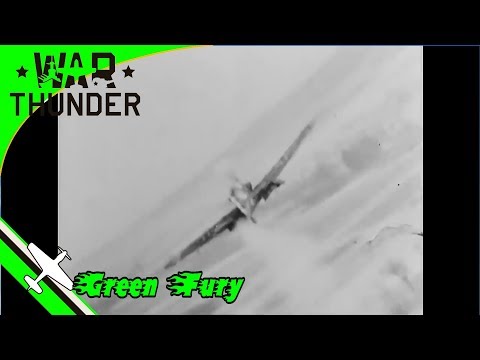
Green Fury / YouTube
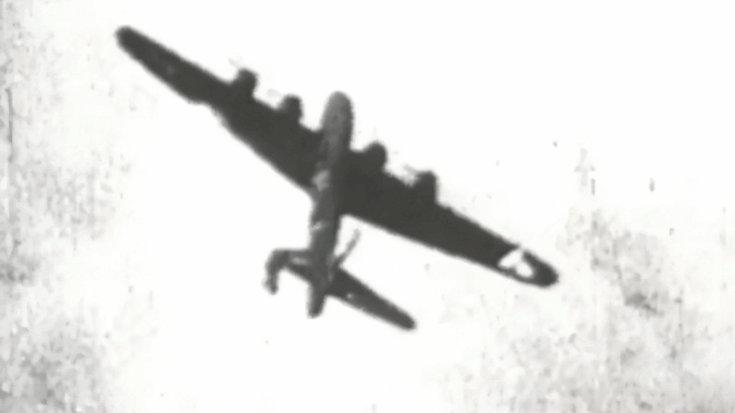
The air war of the Second World War unfolded far above cities, coastlines, and battlefields, often unseen by civilians below. Today, restored and colorized film allows modern audiences to witness these encounters with unusual clarity. Compilations created from wartime recordings bring together scenes of dogfights, bomber formations, and anti-aircraft fire, offering a closer understanding of how aerial warfare shaped the conflict across Europe and beyond. Rather than staged scenes, these images were captured during real combat missions, preserving moments experienced by pilots facing extreme danger at high speed.
Many of the surviving sequences come from gun cameras mounted directly on fighter aircraft. These devices activated when pilots fired their weapons, recording combat from the pilot’s perspective. Introduced earlier for training, gun cameras became widespread during the war as air forces sought reliable proof of aerial victories and material for tactical analysis. The footage now studied by historians includes engagements involving aircraft such as the P-51 Mustang, P-47 Thunderbolt, and P-38 Lightning as they escorted bombers or attacked ground targets across occupied Europe.
Technology That Captured Combat in Real Time
Gun cameras were compact but durable machines designed to function under freezing temperatures and violent vibration. Mounted near aircraft guns or wings, they recorded short bursts of film whenever weapons were fired, creating visual evidence of hits on enemy aircraft or infrastructure. Engineers refined these cameras throughout the war, allowing commanders to review engagements after missions and improve pilot training. The recordings also documented encounters with advanced German aircraft, including early jet fighters that introduced new challenges to Allied air crews.
The footage reveals how aerial combat differed from popular imagination. Engagements often lasted only seconds, with pilots relying on speed, positioning, and teamwork rather than prolonged maneuvering. Fighters escorted heavy bombers flying toward industrial targets while anti-aircraft fire burst around them. Pilots also carried out strafing missions against trains, vehicles, and supply depots, operations intended to weaken transportation networks supporting German forces. Archival reels show attacks unfolding rapidly, emphasizing how little margin for error existed once combat began.
From Black and White Film to Modern Color Restorations
Most wartime footage was originally filmed in black and white because color film was expensive and less practical under combat conditions. Modern colorization techniques use digital analysis to apply historically accurate tones, enhancing visual detail while maintaining authenticity. These restorations help viewers distinguish aircraft markings, terrain features, and explosions that once appeared blurred or distant. Advances in image processing have made it possible to stabilize aging film and reconstruct damaged frames while preserving historical accuracy.
Compilations assembled by modern producers combine material filmed over Europe, North Africa, the Mediterranean, and the Pacific, illustrating how aerial warfare connected distant theaters of the conflict. Scenes include fighter interceptions, bombing operations, and defensive actions against incoming aircraft. Regardless of nationality, pilots faced similar risks, including mechanical failure, enemy fire, and the physical strain of high-altitude flight. Colorized footage therefore serves not only as visual restoration but also as historical evidence, helping later generations understand the intensity and complexity of combat fought in the skies during World War II.